
Free written scope consultation - allowances, timeline, and change-order rules on paper before a single trade is scheduled
 Before
 After
After Before
 After
After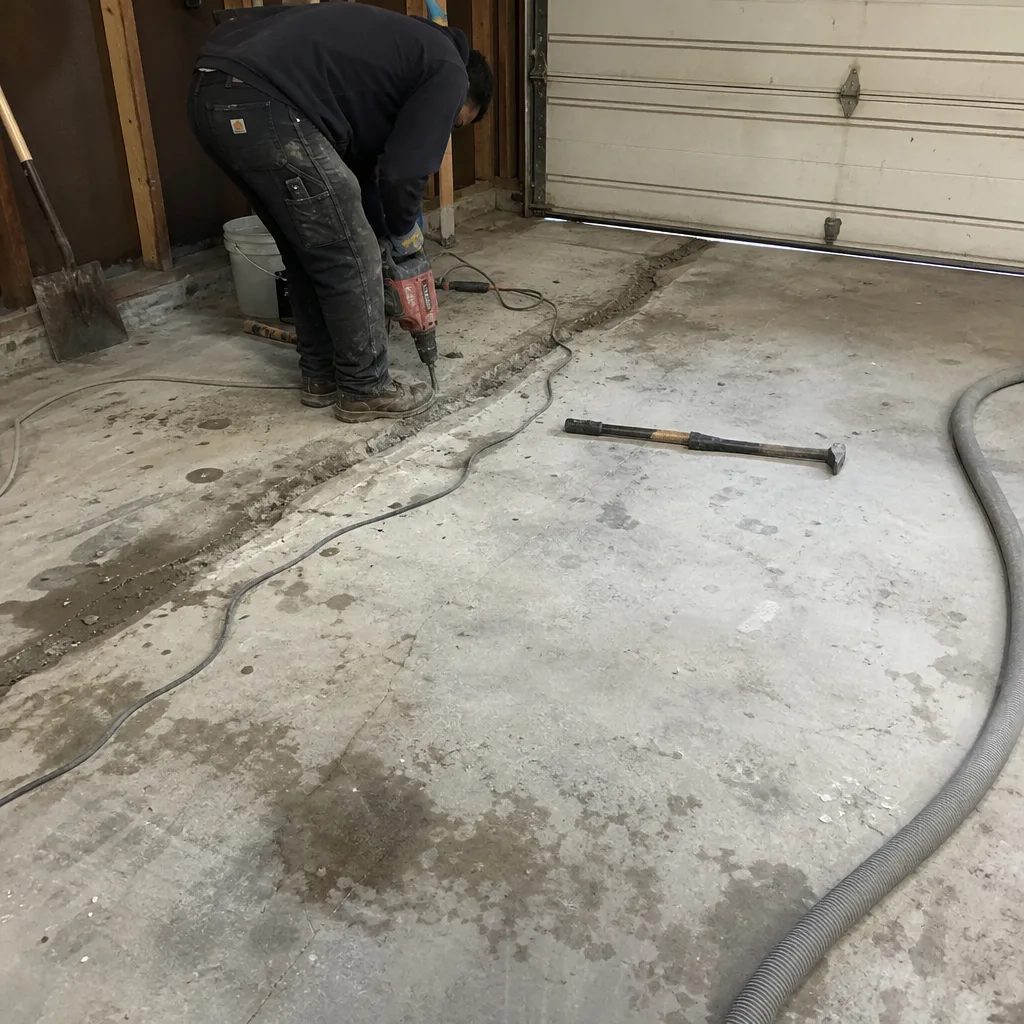 Before
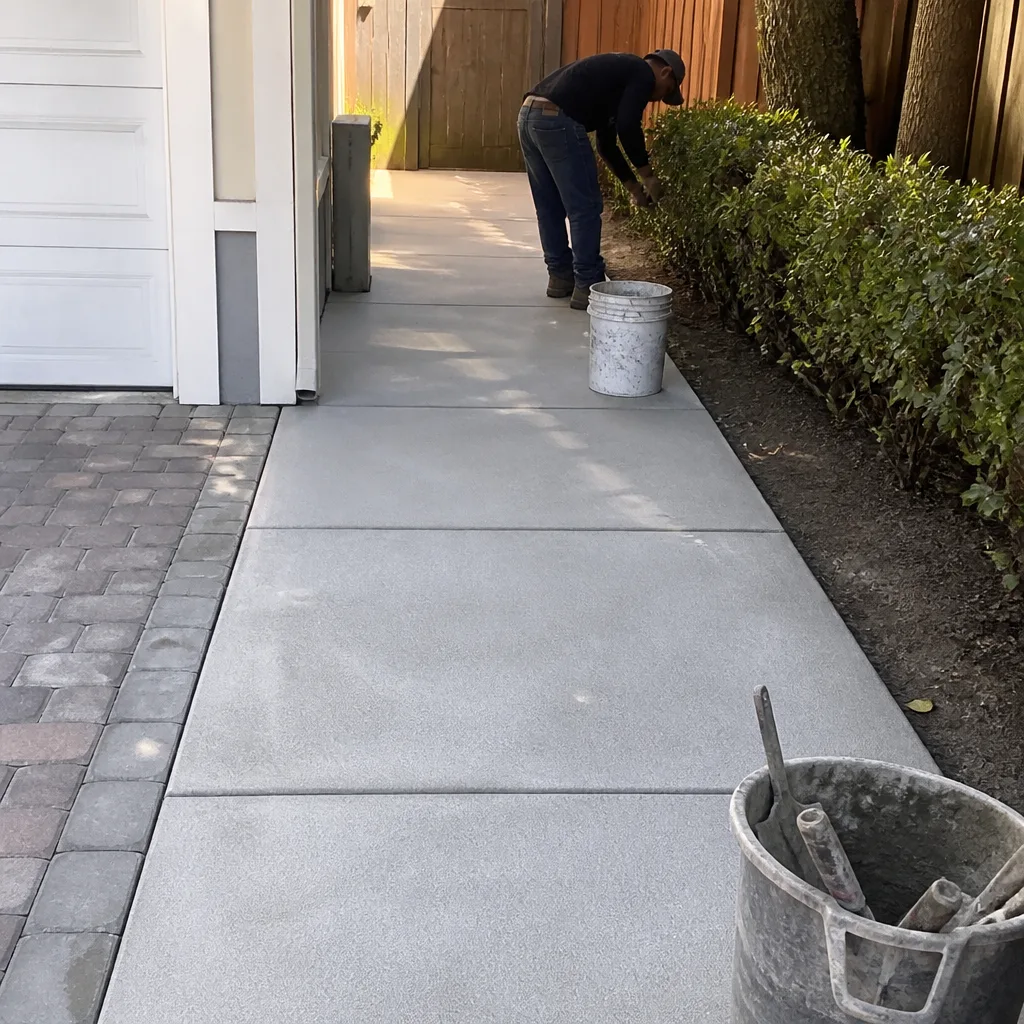 After
AfterHow Much Does Glass Railing Installation Cost in Palo Alto?
Glass railing installation in Palo Alto, CA typically costs $180 to $550 per linear foot, with most residential projects landing between $6,500 and $22,000 depending on the glass system, post configuration, and site conditions. A standard 30-linear-foot deck or stair railing – the most common project size we quote in Palo Alto – runs $8,000 to $14,000 installed, including hardware, tempered or laminated glass panels, and all required City of Palo Alto building permits.
For a free written estimate on your specific project, call Rowan Construction Group at (650) 446-9092. The price is flat, scoped in writing, and delivered before any work begins – that’s Clause 1 of the Haven Standard, not a sales pitch.
Glass Railing Installation Cost Breakdown (2026)
Glass railing installation in Palo Alto costs more than the national average for two concrete reasons: Santa Clara County labor rates run 30 to 40 percent above the U.S. median, and City of Palo Alto building inspection fees add a line item that homeowners in less-regulated markets don’t see. The table below reflects what we actually quote in Palo Alto in 2026 – not figures pulled from a national database.
| Component / System Type | Cost Per Linear Foot | Typical Total (30 LF Project) |
|---|---|---|
| Frameless glass railing (standoff posts, tempered glass) | $280 – $550 | $8,400 – $16,500 |
| Semi-frameless glass railing (aluminum base shoe) | $210 – $380 | $6,300 – $11,400 |
| Framed glass railing (full aluminum frame) | $180 – $280 | $5,400 – $8,400 |
| Stair glass railing (frameless, angled panels) | $320 – $600 | $9,600 – $18,000 |
| Glass panel (tempered, 1/2″ thick, per panel) | – | $400 – $900 each |
| Glass panel (laminated, 9/16″ or 11/16″ thick) | – | $600 – $1,200 each |
| Stainless steel standoff posts (per post, installed) | – | $150 – $350 each |
| Top handrail (stainless, aluminum, or wood cap) | $40 – $120 | $1,200 – $3,600 |
| Concrete anchor / substrate reinforcement | – | $500 – $2,500 (site-dependent) |
| City of Palo Alto building permit | – | $400 – $1,200 (deck height / scope-dependent) |
| Labor (installation, templating, final inspection) | $60 – $130 | $1,800 – $3,900 |
What Pushes the Price Up
Three things consistently move a Palo Alto glass railing quote toward the top of the range. First, frameless systems – where glass panels are held only by standoff hardware anchored directly into the deck or concrete – use more hardware per foot and require tighter tolerances during templating. A misaligned anchor point on a frameless installation means a custom-cut panel that won’t fit. Second, stair sections cost more than flat deck runs because every panel is cut at a compound angle matching the staircase pitch; there’s no off-the-shelf panel that works here. Third, older Palo Alto homes in neighborhoods like Crescent Park, Professorville, and College Terrace often have wood decks or concrete slabs that need substrate reinforcement before any post anchor goes in – that adds $500 to $2,500 in structural prep before the glass is even ordered.
What Keeps the Price Down
Semi-frameless systems with an aluminum base shoe channel – the shoe is a U-shaped aluminum extrusion the glass panels slide into at the base – cost 25 to 40 percent less than fully frameless, and the structural load is distributed along the full length of the shoe rather than concentrated at individual post anchors. For homeowners in Midtown Palo Alto or South Palo Alto where decks sit close to grade and the view line isn’t the primary concern, a semi-frameless system delivers nearly the same visual openness at a meaningfully lower price. Combining a semi-frameless base with a simple stainless cable top rail instead of a full glass-to-glass profile can trim another $800 to $1,500 from the total.
What Affects Glass Railing Installation Pricing in Palo Alto
- Glass thickness and type: California Building Code requires tempered or laminated glass for all guardrail applications. Standard residential guardrail panels run 3/8″ or 1/2″ tempered; areas subject to impact risk (near pool gates, high-traffic stairs) often call for 9/16″ laminated safety glass, which holds together on breakage rather than shattering. Laminated panels cost 40 to 60 percent more per panel than standard tempered.
- System type – frameless vs. semi-frameless vs. framed: Frameless systems carry the highest material and labor cost because hardware tolerances are tighter and every anchor point is structural. Framed aluminum systems are the most budget-friendly but show more metal, which affects the view-corridor that most Palo Alto homeowners are trying to preserve.
- Linear footage and panel count: Templating, permit application, and site setup are fixed costs regardless of project size. A 15-foot run costs far more per linear foot than a 45-foot run because those fixed costs don’t scale. Projects over 40 linear feet generally see better unit pricing.
- Substrate condition: In neighborhoods like Old Palo Alto, many decks are original wood-frame construction from the 1950s or 1960s. Before a post anchor can bear the lateral load a glass panel system requires, the ledger board, joists, and post bases often need assessment and sometimes sister-framing or concrete footing pours. We photograph the substrate condition on arrival and put any required prep work in writing before it proceeds – no change order, no work.
- Site access and elevation: Second-story decks, steeply sloped lots in the hills above Palo Alto near Foothills Park, and properties with limited staging area all add labor time. Glass panels in the 6/10-square-foot range weigh 40 to 80 pounds each; moving them safely on a sloped site requires extra crew.
- City of Palo Alto permit requirements: Any glass guardrail 30 inches or higher above grade requires a building permit in Palo Alto. The City’s Development Services Center processes permits for residential fence and railing work, and inspection scheduling can add one to three weeks to a project timeline. Our written scope includes the permit fee estimate so you see it before work starts, not after.
- Hardware finish and customization: Brushed stainless standoffs and base shoes are the standard specified finish. Matte black powder-coat, polished chrome, or custom anodized aluminum hardware add $15 to $40 per linear foot in material cost. It’s a visible detail from inside and outside the home, so the choice is worth taking seriously.
 Before
 After
AfterGlass Railing vs. Other Railing Systems: Cost Comparison for Palo Alto Homes
Homeowners comparing options often ask us to put glass alongside cable, aluminum, and wood railings in the same table. Here’s how those systems compare in the Palo Alto market as of 2026:
- Glass railing (frameless): $280 – $550 per linear foot. Highest material cost, maximum view transparency, lowest ongoing maintenance once installed. Glass doesn’t corrode, warp, or fade in the Bay Area’s marine-influenced climate.
- Glass railing (semi-frameless): $210 – $380 per linear foot. Good transparency, lower hardware cost, easier to re-glaze an individual panel if damage occurs.
- Stainless cable railing: $120 – $220 per linear foot. Good view line for the price; cables require periodic tension adjustment and the horizontal lines can fail code if spacing exceeds 4 inches (California CBC Section 1015.3).
- Aluminum picket railing: $80 – $150 per linear foot. Durable, low-maintenance, zero view transparency. Common on investment properties; less common on primary residences where the view is part of the value.
- Wood railing: $60 – $130 per linear foot. Lowest installed cost, highest maintenance – refinishing every 3 to 5 years in the Bay Area’s UV environment is standard. Rot risk near irrigation zones is real in Palo Alto’s landscaping-heavy neighborhoods.
If the project goal is preserving sightlines – looking out over a garden in Barron Park, a courtyard in Greenmeadow, or a hillside view in the Foothills area – glass is the only material that does it fully. The cost premium over cable or aluminum pays back in property presentation and in the simple fact that you don’t spend weekends tightening cable tensioners or refinishing posts.
Palo Alto Permit Requirements for Glass Railing
Glass railing work in Palo Alto falls under the City’s residential building permit process administered through the Development Services Department at 285 Hamilton Avenue. Here’s what to expect in plain terms:
Any guardrail 30 inches or more above the adjacent grade requires a permit. That covers virtually every deck, balcony, and second-story stair railing project. The permit application requires a site plan showing the railing location, a structural detail drawing for the post anchor system, and the glass specification sheet confirming the panels meet ASTM C1048 (tempered) or ASTM C1172 (laminated) standards.
Permit fees in Palo Alto for a residential railing project run $400 to $1,200 depending on the valuation of the work. Our written quote includes the permit fee as a line item – you see the number before we submit the application. After permit issuance, a field inspection is required before the installation is finalized. Palo Alto inspection scheduling typically runs 5 to 10 business days out, which we build into the project schedule from the start.
One thing that catches homeowners off guard: if you’re replacing an existing railing on a deck that was never permitted, the City may require the deck structure itself to be brought to current code as a condition of the railing permit. We see this occasionally in Professorville and Crescent Park on homes with original-construction decks. Our field assessment identifies that risk upfront so it’s in the scope – not a surprise invoice three weeks in.
How to Save on Glass Railing Installation
Glass railing is not the place to cut corners on material quality – a panel that fails a structural load test or a post anchor that pulls out is a safety issue, not just a cost issue. But there are legitimate ways to keep the project within budget without compromising the build.
Choose a semi-frameless system where the view permits
A semi-frameless base shoe system gives you 85 to 90 percent of the visual openness of a frameless design at 25 to 40 percent lower cost. The base shoe – that aluminum channel at the bottom – is visible at foot level but disappears from seated or standing eye height. For most Palo Alto decks, that’s a trade worth making.
Keep flat runs and stairs separate in the budget conversation
Stair sections cost more per foot than flat deck runs. If your project has a mix of both, ask for the quote broken out by section. Sometimes shifting a design detail – moving the stair rail to cable rather than glass, for instance – saves $2,000 to $4,000 without changing the dominant visual impression of the deck.
Order glass in standard sizes where possible
Custom-cut panels have fabrication lead times of 3 to 6 weeks and no opportunity to return material if a measurement changes. Standard panel dimensions – typically 36″ x 42″, 36″ x 48″, and 36″ x 60″ – are stock items that can reduce fabrication cost by $80 to $200 per panel and shorten the lead time. Our templating process identifies which sections can use standard panels before glass is ordered.
Combine with adjacent exterior work
If you’re also replacing a fence, resurfacing a patio, or doing any deck work, combining trades saves on mobilization, permit overhead, and inspection scheduling. Our Glass Railing Installation in Palo Alto service is often quoted alongside fence or paver work as part of a single outdoor scope – one signed change-order process, one documented photo record, one permit application where the scope allows it.
Get a written second opinion on any existing quote
If you already have a quote from another contractor, bring it to us. We’ll review it line by line at no charge – our standing Free Second Opinion offer covers exactly this. We’re not looking for a way to undercut a competitor; we’re looking to make sure the scope is complete and the numbers are honest. Call (650) 446-9092 to schedule that review.
Don’t skip the substrate assessment
This one saves money by spending it in the right place. A field assessment that catches a deteriorated ledger board before glass panels are ordered prevents a $4,000 re-work after installation. We photograph the substrate condition on every visit and put the findings in writing. That documentation is yours whether or not the project proceeds.
FAQs – Glass Railing Installation Cost in Palo Alto
How much does glass railing installation cost in Palo Alto per linear foot?
Glass railing installation in Palo Alto costs $180 to $550 per linear foot, depending on system type. Frameless glass railing runs $280 to $550 per linear foot; semi-frameless runs $210 to $380; framed aluminum-and-glass systems start around $180. Stair sections cost more than flat deck runs because every panel is cut to a custom angle. For a 30-linear-foot project – the most common size we quote in Palo Alto – expect a total of $8,000 to $14,000 installed, including permit. Call (650) 446-9092 for a written quote on your specific footage.
Is a permit required for glass railing installation in Palo Alto?
Yes. Any guardrail 30 inches or more above grade in Palo Alto requires a building permit from the City’s Development Services Department. Permit fees for a residential glass railing project run $400 to $1,200 depending on project scope and valuation. A field inspection is required before the installation is finalized, and scheduling typically adds 5 to 10 business days. Our written quotes include the permit fee as a line item – you see it before we submit anything.
How long does glass railing installation take in Palo Alto?
From signed contract to final inspection, a typical Palo Alto glass railing project takes 4 to 8 weeks. The single biggest variable is glass fabrication lead time: standard panels take 2 to 3 weeks; custom-cut panels can take 4 to 6 weeks from order to delivery. The permit process adds another 1 to 3 weeks depending on the City’s current queue. On-site installation of a 30-linear-foot project typically takes 1 to 3 days once materials arrive and the permit is in hand.
Is frameless glass railing worth the extra cost over semi-frameless?
For most Palo Alto homeowners, frameless is worth it when the view is the point – a garden courtyard in Barron Park, a hillside sightline, or a pool surround where uninterrupted glass reads clearly from inside the house. The price difference between frameless and semi-frameless on a 30-foot run is roughly $2,000 to $5,000. If the railing faces a fence or a neighboring structure and the view-corridor benefit is limited, semi-frameless delivers 85 percent of the visual result at a lower price. We’ll tell you which makes sense for your site on the estimate visit – that assessment doesn’t cost anything.
Can glass railing handle Palo Alto’s wind and seismic conditions?
Yes, when installed to California Building Code requirements. CBC Section 1607.8 sets a 200-pound concentrated load requirement for guardrails; all glass panel and post anchor systems we specify are engineered and tested to meet or exceed that figure. Tempered and laminated safety glass is also significantly stronger than annealed glass under both wind load and seismic deflection. Post anchor depth and embedment into the substrate are the critical variables – which is why we photograph and document the substrate condition on every assessment. A post anchored into sound concrete performs differently than one set into a rotting ledger, and the structural detail drawing we submit for permit reflects what’s actually there.
What’s the difference between tempered and laminated glass for railings?
Tempered glass is heat-treated to be roughly four times stronger than standard glass and shatters into small, relatively safe fragments on breakage. Laminated glass – two or more glass layers bonded to an interlayer, typically PVB – holds together when broken, leaving a cracked but intact panel rather than fragments on the deck. California Building Code permits either for residential guardrails. Laminated is the required choice in specific applications: overhead glazing, pool barriers in many jurisdictions, and anywhere a falling panel would land on a surface below. Laminated panels cost $600 to $1,200 each vs. $400 to $900 for tempered panels of similar size. Our quotes specify which is required for your configuration, with the code reference in writing.
Why Palo Alto Homeowners Use Rowan Construction Group for Glass Railing
Grant Rowan founded this company in 2007 with one administrative discipline: nothing starts until the price is in writing. That rule has held across 4,000-plus projects, and it’s what The Haven Standard formalized as Clause 1. Every glass railing quote we deliver is a flat price with a written scope, a written permit fee estimate, and a written warranty. There is no “call for a quote” step that delays your decision – you get the number, and you decide.
We source glass panel systems from a curated set of suppliers whose fabrication tolerances and load test documentation we’ve verified. We don’t name a supplier on a quote until we’ve confirmed current lead times and confirmed the panel specifications meet California CBC requirements for the specific application. On a high-transparency project like a frameless glass railing, material selection isn’t decoration – it’s structural.
Our crews are background-checked and uniformed. A live person answers calls at (650) 446-9092 around the clock. And the documented photo record we produce on every visit – substrate condition before work starts, anchor placements during installation, finished installation before final inspection – is included as standard. You have evidence of what was done. That record matters if you ever need to pull a permit on adjacent work, or if you sell the home and a buyer’s inspector asks about the railing installation.
Under our 365-Day Done Right Promise, if anything is not done right, we make it right. That’s backed by The Haven Standard, not a handshake. The terms are written down, and you can read them before you sign anything.
Palo Alto is a specific market with specific permit requirements, specific soil and substrate conditions in its older neighborhoods, and homeowners who read the three-star reviews and want the price on the page before they make a call. We wrote this guide because you should have those numbers before we speak. Now you do.
If you’d like a written estimate for glass railing installation at your Palo Alto property, call (650) 446-9092. Grant Rowan and the Rowan Construction Group team will schedule a field assessment, document what we find, and deliver a flat written price with a full scope before any work begins. If you have a quote from another contractor, bring it – the Free Second Opinion review is at no charge, and we’ll go through it line by line. You can also learn more about what the full installation process looks like on our home page.
For context on the full scope of what’s included in a glass railing project in this market, visit our Glass Railing Installation in Palo Alto service page, where we walk through system types, material specifications, and the permit process in detail.
Pricing reflects the Palo Alto market as of 2026. Rowan Construction Group Palo Alto offers free estimates – call (650) 446-9092.
Written by Grant Rowan, Owner at Rowan Construction Group, serving Palo Alto since 2007.
What Our Customers Say
"Driveway replaced properly with a base that will actually last. They explained why the cheaper quote was cheaper."
- Reggie O."Final invoice was within two percent of the contract. Every change was priced and signed before anyone picked up a tool."
- Malcolm T."Talked us out of the larger scope we came in asking for, because it would not have added the value we thought."
- Emil R.