
Free written scope consultation - allowances, timeline, and change-order rules on paper before a single trade is scheduled
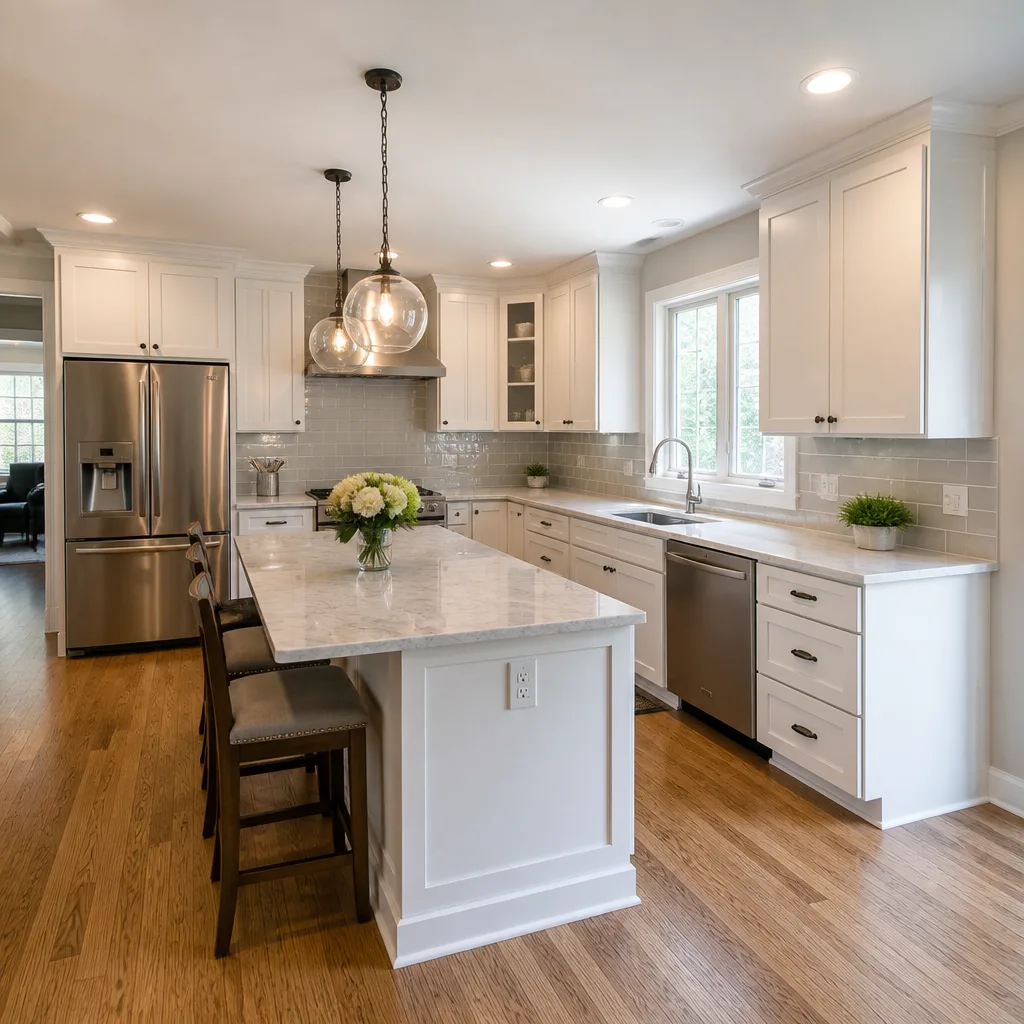
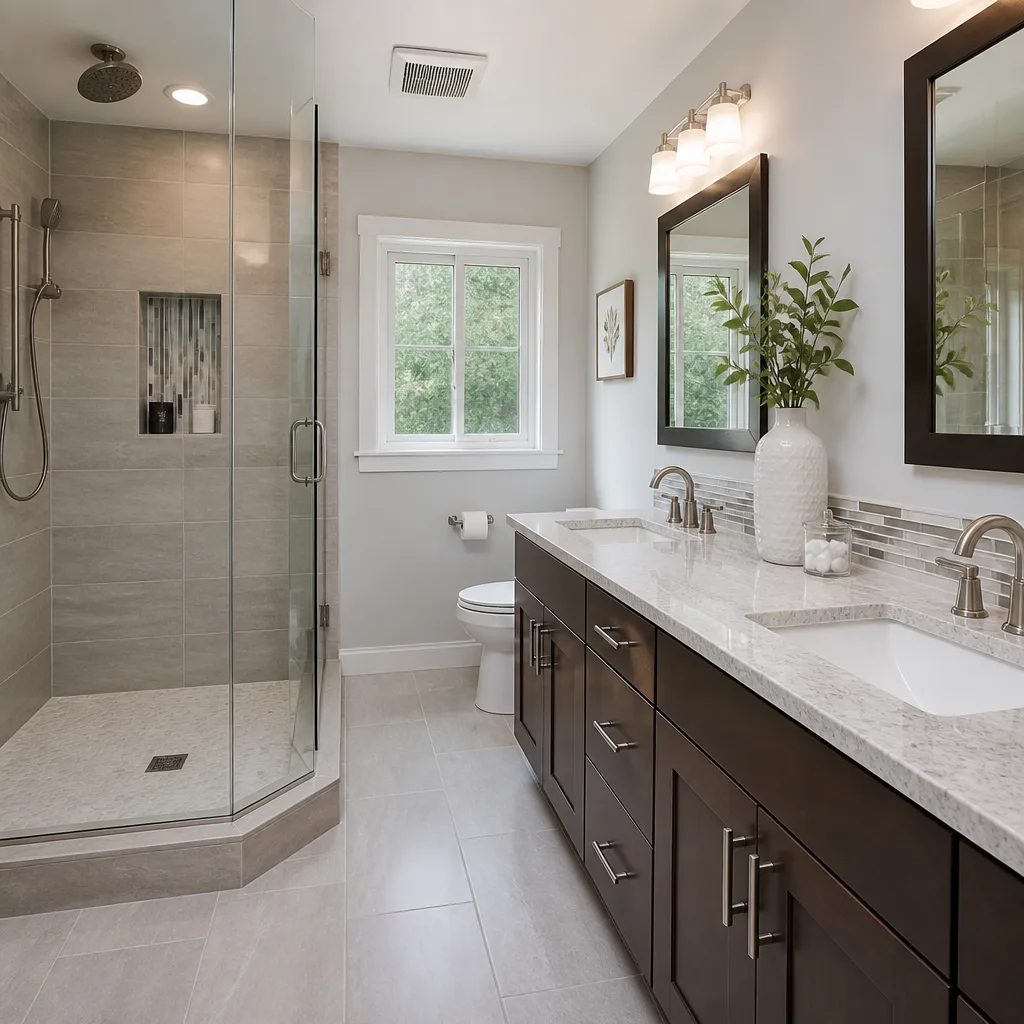
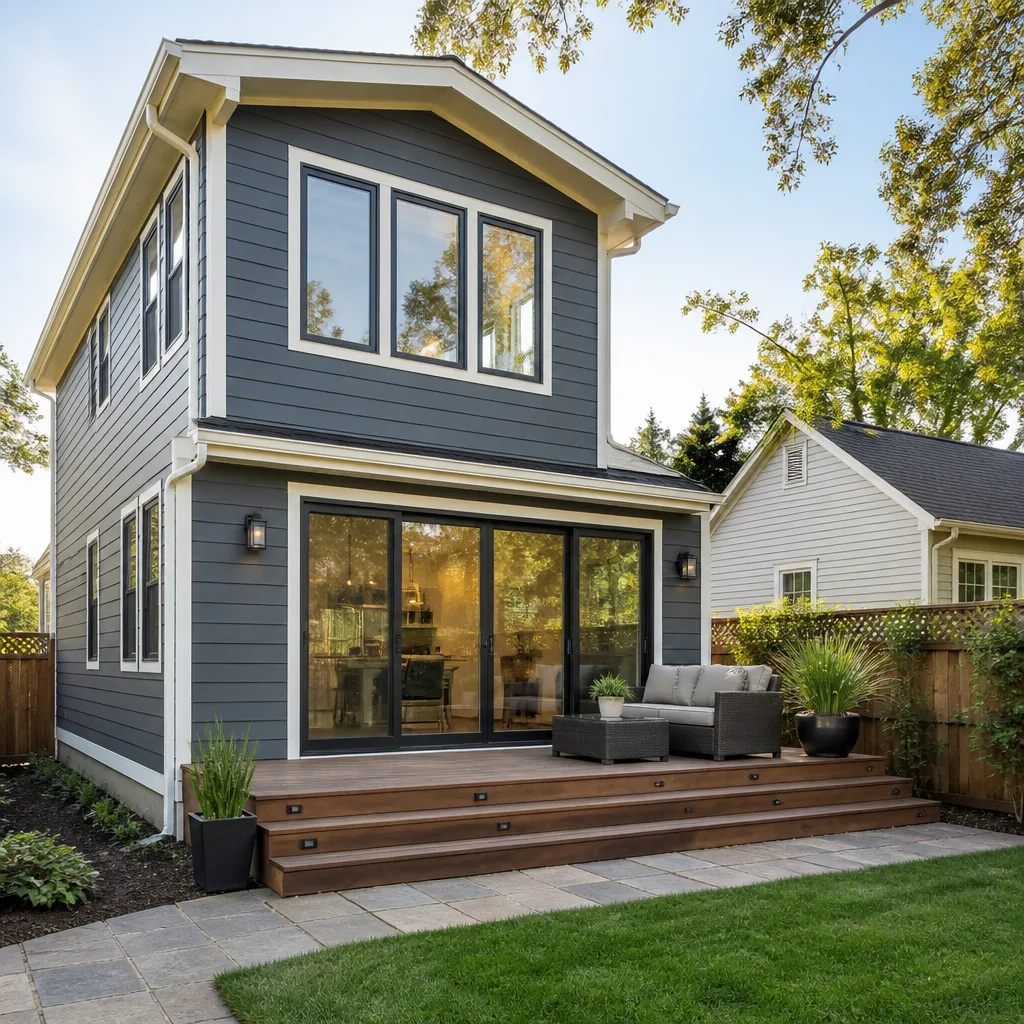
 Before
 After
After Before
 After
After Before
 After
AfterCGI Kitchen Remodeling: The Palo Alto Owner’s Guide
CGI kitchen remodeling in Palo Alto typically runs $14,000-$45,000 installed, depending on cabinet grade, layout changes, and whether we’re matching existing millwork in older Peninsula homes. We stock CGI-compatible cabinet lines and hardware, and most kitchen remodel consultations can be scheduled within a few business days. Most Palo Alto homeowners discover their CGI kitchen needs attention when cabinet doors start sagging, drawer glides stick, or the original particleboard substructure swells from the humidity swings between our dry summers and winter rains.
Which CGI Models This Applies To
CGI, or Cabinetworks Group International, produces semi-custom and stock cabinetry under several series names that have circulated through California builders since the late 1990s. The most common lines we’ve encountered in Palo Alto are the CGI Classic Series, CGI Signature Series, and the builder-grade CGI Essentials that were spec’d heavily in Eichler renovations and mid-century ranch updates between 2005 and 2018.
To identify your CGI series, check the interior side panel of a base cabinet for a stamped date code and series letter. Classic Series carries a “C-” prefix; Signature Series uses “S-“; Essentials uses “E-” followed by a four-digit lot number. The hinge bore pattern is also telling: Classic and Signature use a 35mm cup with 45mm center-to-center mounting screws, while Essentials used a 26mm mini-cup hinge in early production runs before switching to standard 35mm in 2012. This matters because replacement hinge packs ordered online often default to 35mm and won’t seat properly on pre-2012 Essentials doors.
We source OEM CGI hardware through authorized distributors in San Jose, but for discontinued lines we spec Blum and Salice aftermarket equivalents that meet or exceed the original cycle ratings. The decision point is usually the hinge mounting pattern: if your CGI cabinets use the older 26mm system, aftermarket conversion plates are available, though we prefer to document the mismatch in writing before ordering.
Signs Your CGI Kitchen Remodeling Is Failing
- Doors hang crooked or won’t stay closed. The original CGI hinge cups wear oval over 8-12 years of daily use, especially in south-facing Palo Alto kitchens where afternoon heat accelerates the nylon bushing degradation. The door itself is usually fine; the hinge mechanism has simply exceeded its rated cycle count.
- Drawer boxes jam or tilt when loaded. CGI’s older undermount glide systems, particularly the 75-pound-rated slides in Classic Series base cabinets, deflect once the polymer bearings flatten. In Palo Alto’s clay-heavy soil zones, subtle foundation settling adds racking stress that the original glides weren’t designed to absorb.
- Particleboard cabinet sides bulge or delaminate near the sink. This is moisture intrusion, not a part failure per se, but it originates from failed CGI sink base seals or inadequate dishwasher high-loop installation. The swelling compromises screw retention for hinges and hardware, so replacing the damaged panel is usually necessary before new parts will mount securely.
- Finished surfaces chip along edges or at hardware holes. CGI’s thermofoil and painted finishes are durable but brittle after 15+ years; repeated hardware removal for “quick fixes” enlarges mounting holes until standard screws no longer bite. We see this most often in Palo Alto rental properties where tenants have attempted their own repairs.
- Wall cabinets feel loose or pull away from backing. The original CGI mounting rail system, a French cleat derivative, relies on precise stud alignment. In older Palo Alto homes with 24-inch stud spacing or non-standard balloon framing, the rail may have been shimmed inadequately at install, and the accumulated load of dishware eventually overcomes the attachment.
 Before
 After
AfterReplacement Cost & What’s Included
| Scope | Price Range in Palo Alto |
|---|---|
| CGI cabinet hardware refresh (hinges, glides, pulls) | $800-$2,500 |
| Single cabinet replacement, matched to existing | $1,200-$3,500 |
| Partial kitchen reface with CGI-compatible doors | $4,000-$13,000 |
| Full CGI kitchen remodel, same footprint | $14,000-$28,000 |
| Full CGI kitchen remodel with layout changes | $28,000-$45,000 |
The range depends on three factors: whether we’re matching existing CGI profiles or upgrading to a current line, how much structural repair the carcasses need, and whether electrical or plumbing relocation is required for a new layout. Every Rowan quote is a flat written price with line-item breakdown - under Clause 1 of The Haven Standard, the number is fixed before any work starts, and no change proceeds without a signed change order. Our 365-Day Done Right Promise covers the installation and hardware function; manufacturer defects on new CGI components are handled through the standard distributor warranty.
DIY or Call Us?
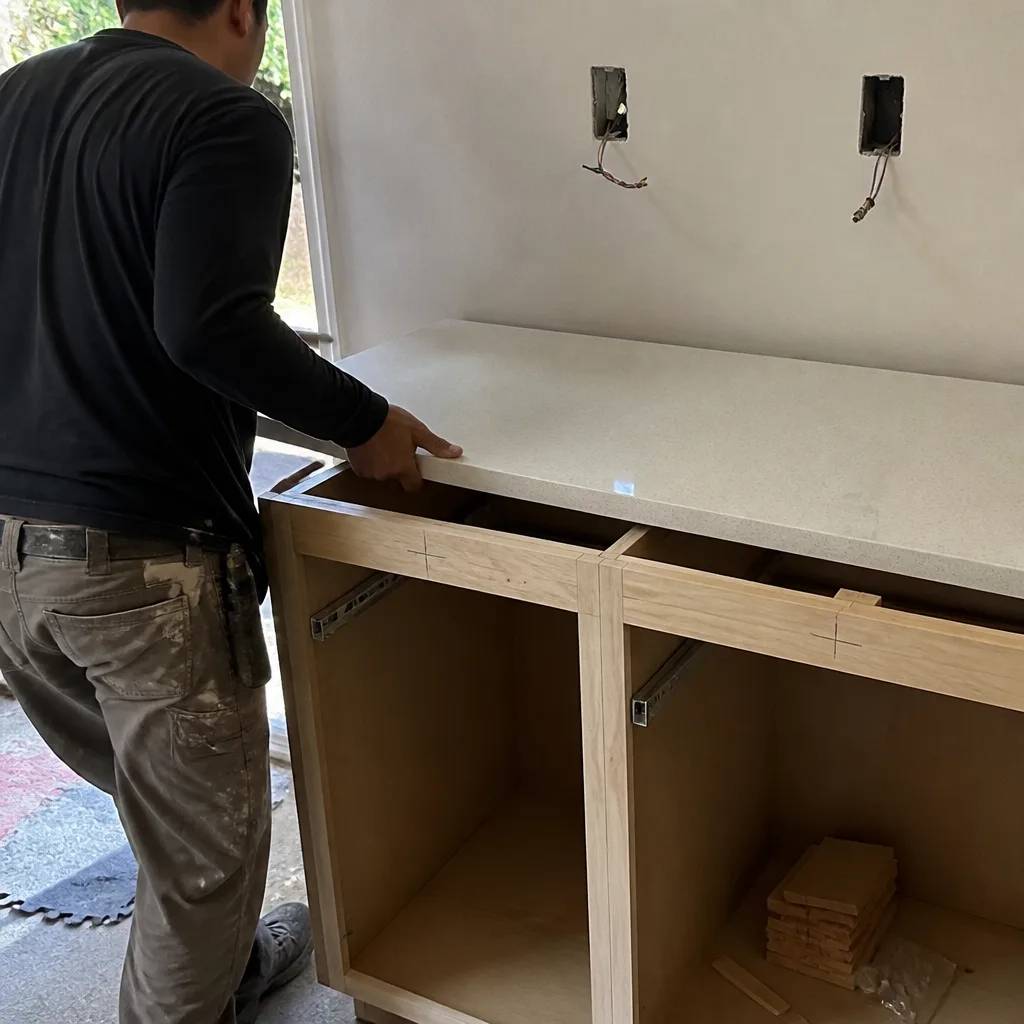
There’s a clear line between what a homeowner can safely assess and where professional installation protects both safety and warranty coverage. Checking hinge cup diameter with a tape measure, photographing stamp codes, and confirming stud locations with a stud finder - these are reasonable owner tasks that save time when we arrive.
Where DIY goes wrong with CGI cabinets: improper hinge depth setting on concealed cups, which strips the particleboard and converts a $12 part replacement into a $400 cabinet replacement. Over-torquing mounting screws in aged particleboard, which splits the substrate. And attempting to level wall cabinets without a laser and proper blocking, which in a seismic zone like Palo Alto creates a genuine falling hazard. The hardware is not high-tension like a garage door spring, but the consequences of a 36-inch wall cabinet detaching are severe enough that we recommend professional mounting on any cabinet over 24 inches wide.
Measure twice, write it down, then we talk. Call (650) 446-9092 and we’ll schedule a free estimate with a written line-item quote.
FAQs
Well-maintained CGI Classic and Signature Series cabinets last 20-25 years in Palo Alto’s climate, though hinge and glide hardware usually needs refresh at 10-15 years. The thermofoil finishes on south-facing walls can show UV degradation slightly faster than the national average due to our high sunny-day count. Call (650) 446-9092 for an assessment of your specific installation - estimates are free.
Most CGI cabinets can be repaired if the carcass particleboard is intact and moisture hasn’t caused delamination. We replace hardware, reface doors, and reinforce mounting points as standard repairs. Full replacement becomes necessary when multiple cabinet sides have swelled or the sink base has experienced prolonged water exposure. Call (650) 446-9092 for an exact quote - estimates are free.
A full hardware refresh on an average 10×10 kitchen takes one to two days, assuming no structural repairs. Single-cabinet replacements or hinge swaps can often be completed in a half-day visit. We bring a documented photo record of the existing condition and the completed work, included as standard. Call (650) 446-9092 to schedule.
We stock Blum and Salice hinge hardware, drawer glide sets, and mounting rail components on our Palo Alto trucks. OEM CGI-specific doors and panels ship from San Jose distributors with a 2-3 week lead time for current lines; discontinued series require custom matching, which we quote separately with a written timeline. Call (650) 446-9092 to confirm availability for your series.
Written by Grant Rowan, Owner, Rowan Construction Group Palo Alto at Rowan Construction Group Palo Alto, serving Palo Alto and nearby areas.