
Free written scope consultation - allowances, timeline, and change-order rules on paper before a single trade is scheduled
 Before
 After
After Before
 After
After Before
 After
AfterMr-Glass Roofing: The Palo Alto Owner’s Guide
We stock and install Mr-Glass-compatible roofing components in Palo Alto, with most replacement jobs running $400-$1,800 installed depending on the component and access. Most homeowners who call us notice the problem after a rain event or during a routine inspection of their roofline. The issue usually starts small: a cracked glass panel, degraded seal, or failing flashing that lets water find its way past the frame.
Mr-Glass systems are distinct from standard skylights. They’re engineered glass roof assemblies, often integrated into modern flat or low-slope roof designs common in Palo Alto’s Eichler-influenced neighborhoods and newer builds near Old Palo Alto. When a panel fails, the leak path isn’t always directly below the crack. Water travels along the aluminum frame channel, shows up as a stain six feet away, and the homeowner spends a weekend looking in the wrong spot.
Which Mr-Glass Models This Applies To
Mr-Glass produces several series, and the part you need depends on the frame profile and glazing specification. The two most common in Palo Alto are the MG-1000 fixed glass roof system and the MG-2000 operable venting series. The MG-1000 uses a 25mm aluminum frame with dual-pane tempered glass; the MG-2000 adds a hinge mechanism and requires a different compression seal gasket. Check the etched code in the corner of the glass panel, or the stamped label on the frame interior edge, usually visible when you open an operable unit.
We don’t source through Mr-Glass directly. Rowan Construction Group Palo Alto is an independent service provider, not affiliated with Mr-Glass. We use quality aftermarket equivalents that match the thermal performance and wind-load ratings of OEM components, often from the same manufacturing facilities. The key compatibility gotcha: MG-2000 seals from the 2015-2019 production run used a softer EPDM compound that degrades faster in Peninsula sun exposure than the silicone-blend formula introduced in 2020. If your unit falls in that window, we spec the upgraded seal regardless, because the original compound has a known failure pattern in California UV.
Measure the daylight opening, not the frame. The glass size is always smaller than the rough opening, and ordering by the wrong dimension is the most common delay we see. Measure twice, write it down, then we talk.
Signs Your Mr-Glass Roofing Is Failing
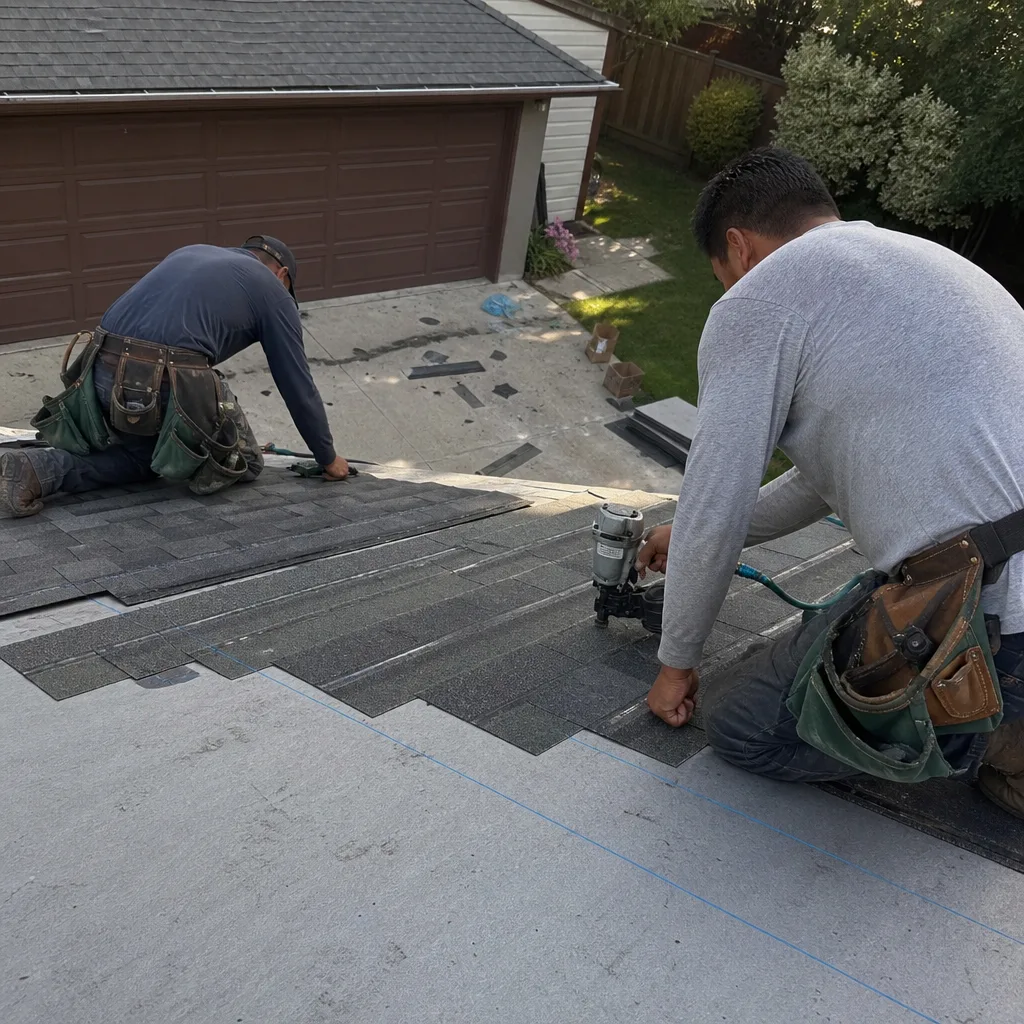
- Interior water stains appearing below or adjacent to the glass area. The aluminum frame channel is designed to weep minor condensation to the exterior, but when the perimeter seal degrades, bulk water overwhelms the drainage path and migrates inward. In Palo Alto, we see this accelerate after the first heavy fall rains following a dry summer.
- Visible cracks or chips in the glass, even hairline. Tempered glass doesn’t fail gradually, but surface damage compromises the panel’s thermal stress resistance. A cracked MG-1000 panel will eventually spider under temperature swing; the delta between a 90-degree Palo Alto afternoon and a 50-degree evening is enough to finish it.
- Condensation between the dual panes that doesn’t clear. This indicates seal failure in the insulated glass unit, or IGU. The inert gas fill has escaped, moisture has entered, and the thermal performance is now roughly equivalent to single-pane glass. Your heating and cooling load increases measurably.
- Difficulty opening or closing an MG-2000 operable unit. The hinge hardware and operator mechanism are exposed to thermal cycling and occasional moisture intrusion. When the operator arm binds or the unit drifts closed, the issue is usually corrosion in the scissor mechanism, not the motor.
- Draft or temperature differential near the glass even when closed. Compression seal fatigue creates a leak path for air. You can sometimes feel this with a candle flame held near the frame perimeter on a breezy day. The seal material hardens and loses rebound, particularly on south- and west-facing exposures in Palo Alto’s climate.
 Before
 After
AfterReplacement Cost & What’s Included
Mr-Glass component replacement in Palo Alto falls within our standard roof repair range of $400-$1,800. A simple MG-1000 IGU swap with seal replacement runs toward the lower end; an MG-2000 operable unit with hardware replacement and flashing rework runs higher. The variables are access complexity (steep pitch, height, interior finish protection), whether the frame itself is salvageable, and whether adjacent roofing material needs disturbance and reintegration.
Every quote we deliver is a flat written price with line-item breakdown: glass panel or seal kit, labor hours, any necessary flashing or underlayment, and disposal. Under Clause 1 of the Haven Standard, that price is fixed before work starts. No change proceeds without a signed change order. Our 365-Day Done Right Promise covers the installation; the glass itself carries the manufacturer’s warranty against defects.
We include a documented photo record as standard: condition photos before, detail shots during, and completion verification. You receive these with the final invoice, not as an upsell.
DIY or Call Us?
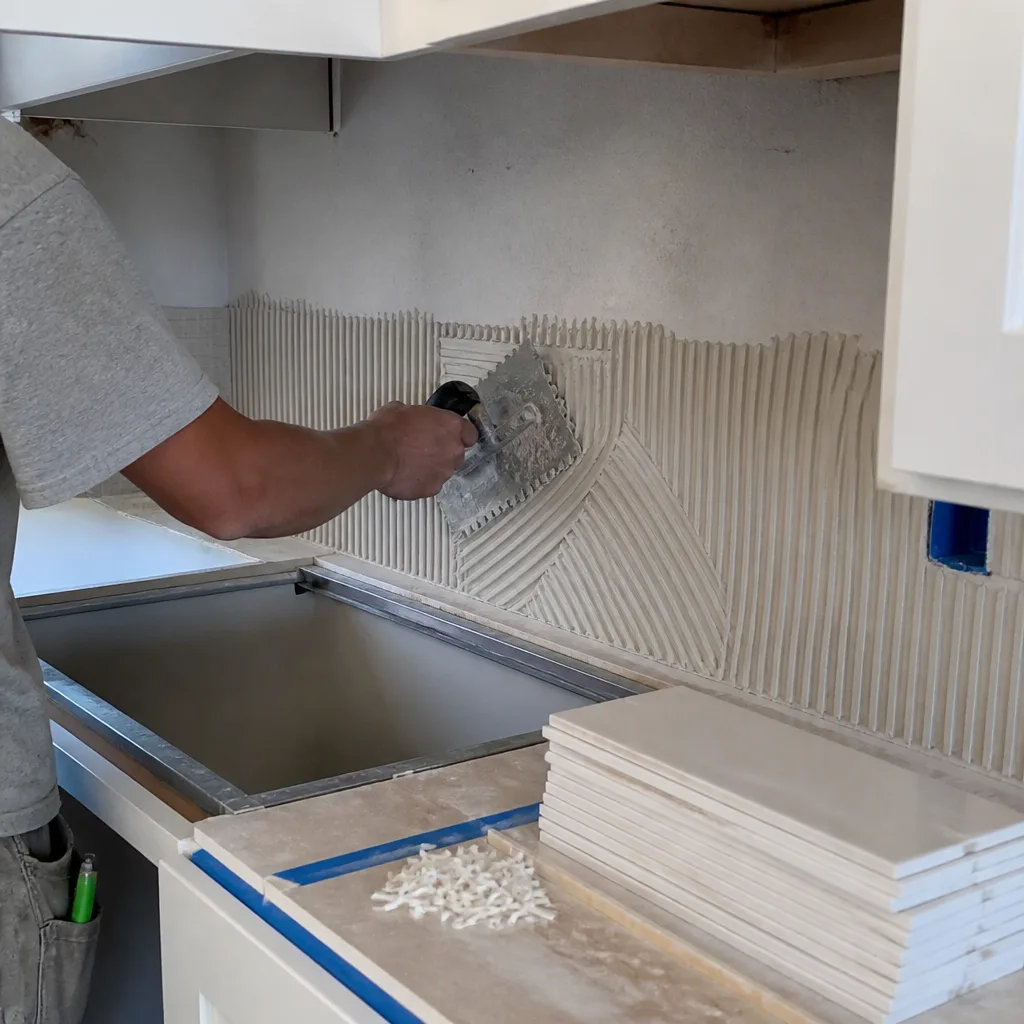
There’s a safe middle ground and a hard stop. A homeowner can identify the model from the frame label, measure the daylight opening accurately, and photograph the failure pattern for diagnosis. What we don’t recommend: removing a glass panel yourself. Tempered glass weighs roughly 13 pounds per square foot for dual-pane assemblies, and a failed panel may have compromised structural integrity. The drop risk from a second-story Palo Alto roofline is real, and the frame disassembly requires releasing tensioned clips that can slip without proper support.
Flashing integration is the other DIY boundary. Mr-Glass frames tie into the primary roof membrane at a vulnerable intersection. Disturbing that seal without the correct peel-and-stick membrane and counterflashing sequence creates a leak path that’s worse than the original problem. If you’re handy and want to minimize cost, do the detective work on model identification and access planning, then call us for the installation. We’ll quote it flat, show up with the right part, and handle the warranty documentation.
Call (650) 446-9092 to schedule your free estimate.
FAQs
The IGU seal on a properly installed Mr-Glass panel typically lasts 15 to 20 years in Peninsula conditions, though south-facing units with minimal overhang may see seal failure closer to 12 years due to thermal cycling stress. The aluminum frame itself is essentially indefinite if the weep channels remain clear. Call (650) 446-9092 for an exact quote on replacement - estimates are free.
Seal failure in an IGU cannot be field-repaired to restore the original thermal performance; the unit must be replaced. Surface gasket seals around the frame perimeter can sometimes be replaced independently if the glass is sound. We assess this on site and quote accordingly. Call (650) 446-9092 for an exact quote - estimates are free.
Most Mr-Glass component replacements are completed in a single workday, assuming standard roof access and no hidden frame corrosion. MG-2000 operable units with hardware replacement may extend into a second day if the operator mechanism requires ordering. We confirm the timeline in writing with the price. Call (650) 446-9092 for an exact quote - estimates are free.
We stock common seal profiles and flashing components; glass panels are ordered to measured size after our site visit since every daylight opening varies. Typical lead time for custom IGU fabrication is 7 to 10 business days. We don’t start the clock until you’ve approved the written quote. Call (650) 446-9092 for an exact quote - estimates are free.
Written by Grant Rowan, Owner, Rowan Construction Group Palo Alto at Rowan Construction Group Palo Alto, serving Palo Alto and nearby areas.