
Free written scope consultation - allowances, timeline, and change-order rules on paper before a single trade is scheduled
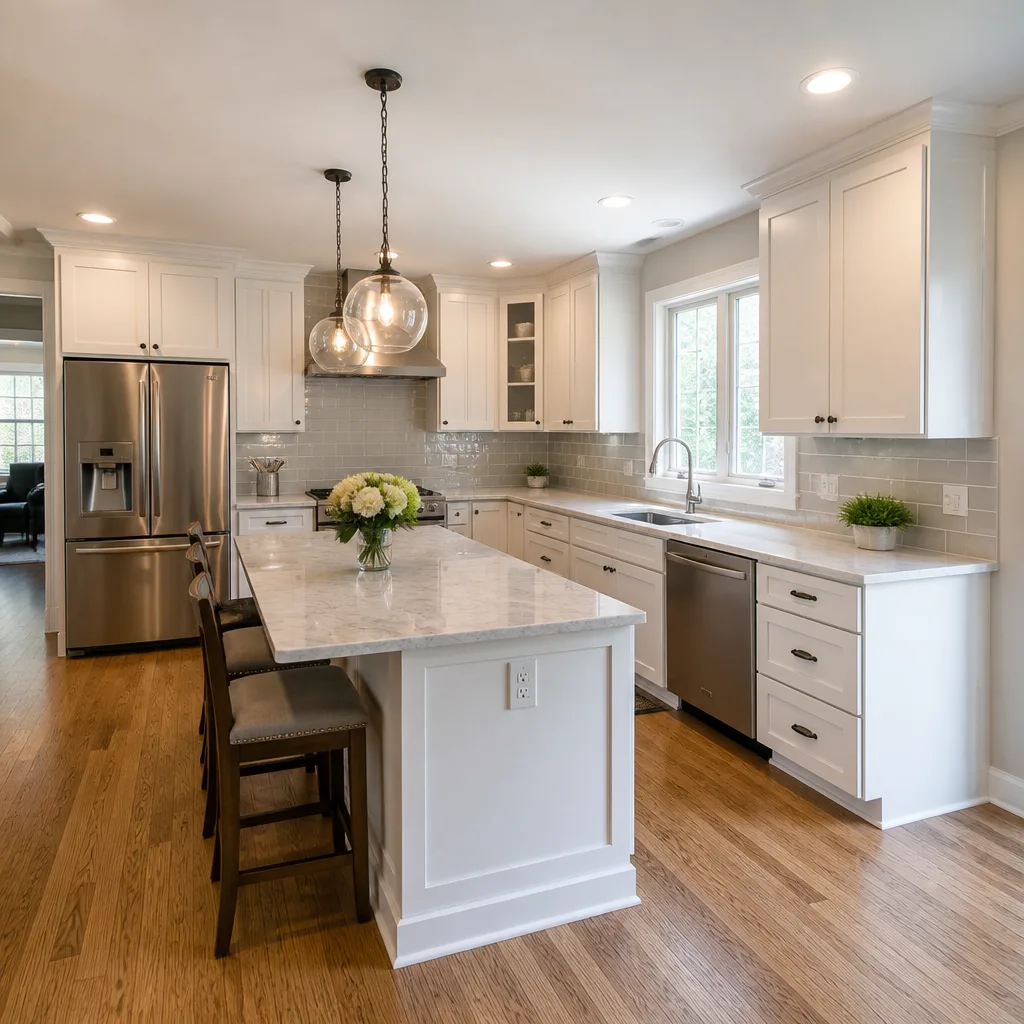
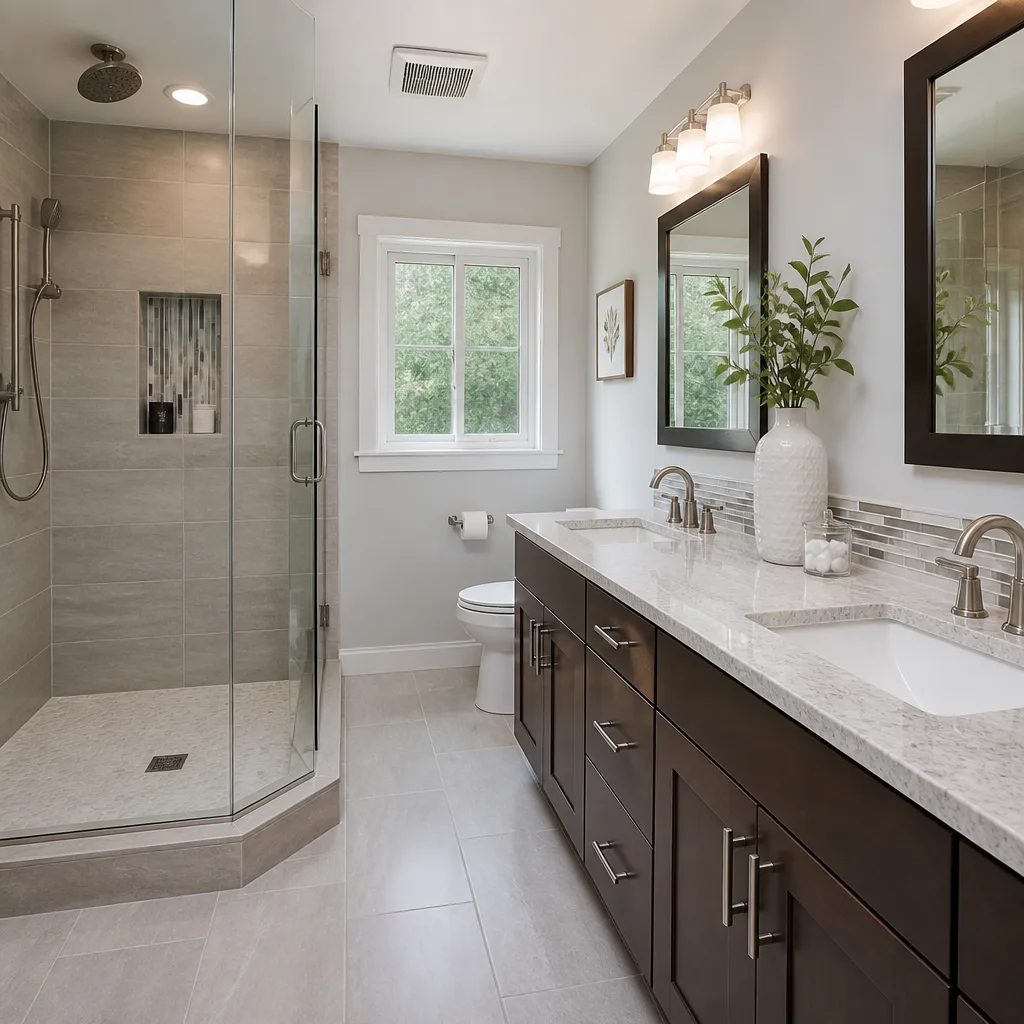
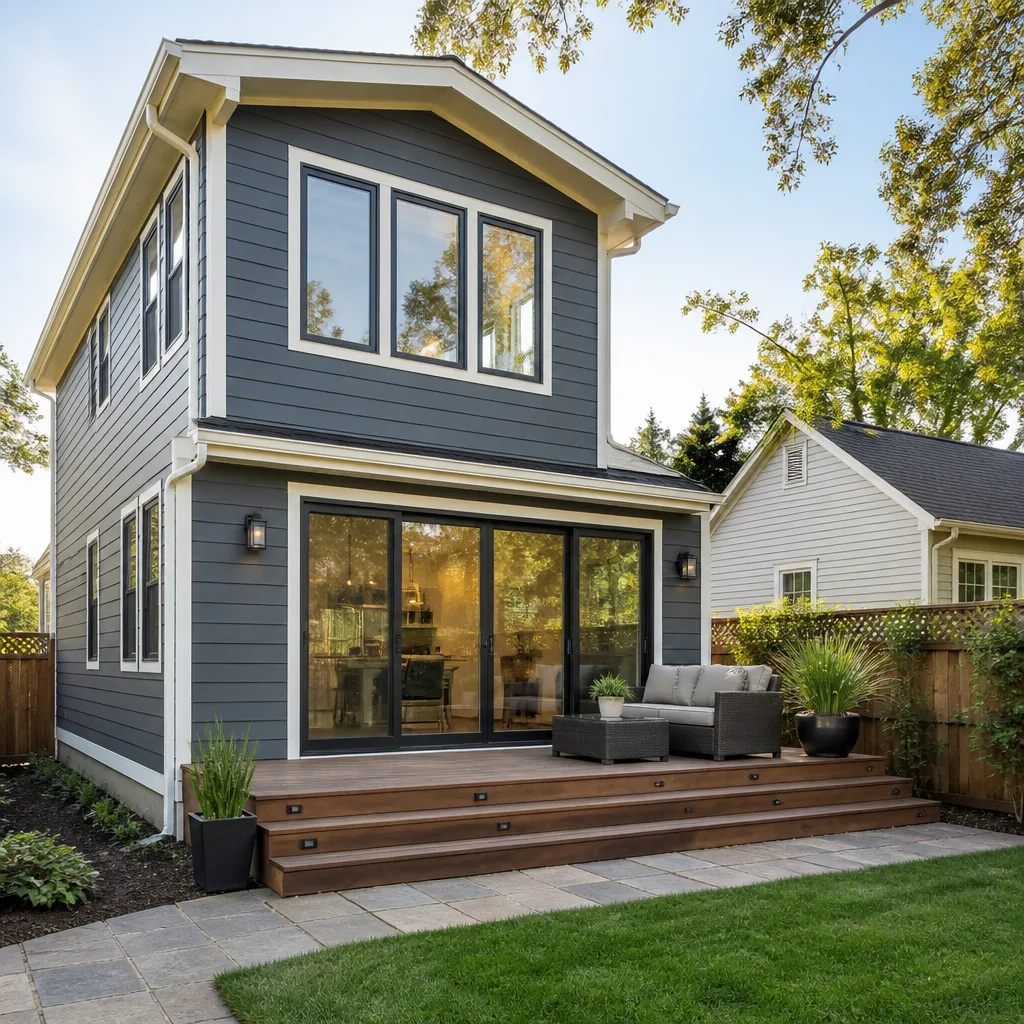
 Before
 After
After Before
 After
After Before
 After
AfterDvele Home Additions & ADU: The Palo Alto Owner’s Guide
We stock and install Dvele-compatible systems for home additions and ADU projects in Palo Alto, with typical installed pricing from $45,000 to $130,000 for additions and $90,000 to $220,000 for full ADU construction. Most Palo Alto clients receive a written line-item quote within 48 hours of our first site visit. The failure pattern we see most often isn’t a single part - it’s a systems mismatch: the original Dvele module spec’d for a different climate zone, or the foundation detail that worked in Sacramento cracking under Palo Alto’s clay-heavy Barron Park soils.
Owners usually discover the problem when a seasonal smell won’t clear, a wall finish cracks in the same spot after patching, or the mini-split runs continuously without hitting setpoint. These aren’t cosmetic issues. They’re symptoms of a building envelope or structural detail that was never quite right for this specific lot.
Which Dvele Models This Applies To
Dvele produces prefabricated modules across several product lines, and the compatibility question depends on when your unit was manufactured and which foundation system it was paired with. Earlier Dvele units - roughly pre-2021 - used a steel-frame chassis with fiberglass-composite wall panels that performed well in drier inland climates but showed moisture-management issues in Palo Alto’s marine-influenced microclimates, particularly in Old Palo Alto and Professorville where lot coverage limits push units close to property lines with reduced airflow.
Current Dvele models specify a polyiso continuous exterior insulation layer and a rainscreen detail that we verify on every retrofit or addition tie-in. To identify your unit, check the data plate inside the electrical panel door for the model prefix: DV-HM indicates the Home series, DV-AD the ADU line. The four-digit date code (first two digits are year, second two are week) tells us which foundation detail was standard at manufacture. We cross-reference this against Dvele’s engineering bulletins - there was a significant revision to floor-deck connections in units produced after week 35 of 2022 that affects how we tie in a conventional stick-built addition.
Rowan Construction Group Palo Alto is an independent service provider, not affiliated with Dvele. We source OEM-compatible structural hardware through our regular supplier network and fabricate custom transition details in our shop when the standard Dvele tie-in kit doesn’t match existing conditions.
Signs Your Dvele Home Additions & ADU Is Failing
- Recurring cracks at module-to-addition junctions. The Dvele chassis is engineered for minimal deflection, but conventional framing moves with moisture cycles. In Palo Alto, where summer humidity can swing from 30% to 85% in a single week, that differential movement shears tape joints and caulk lines. We see this most in additions built without a structural separation detail - the fix is a proper control joint, not more spackle.
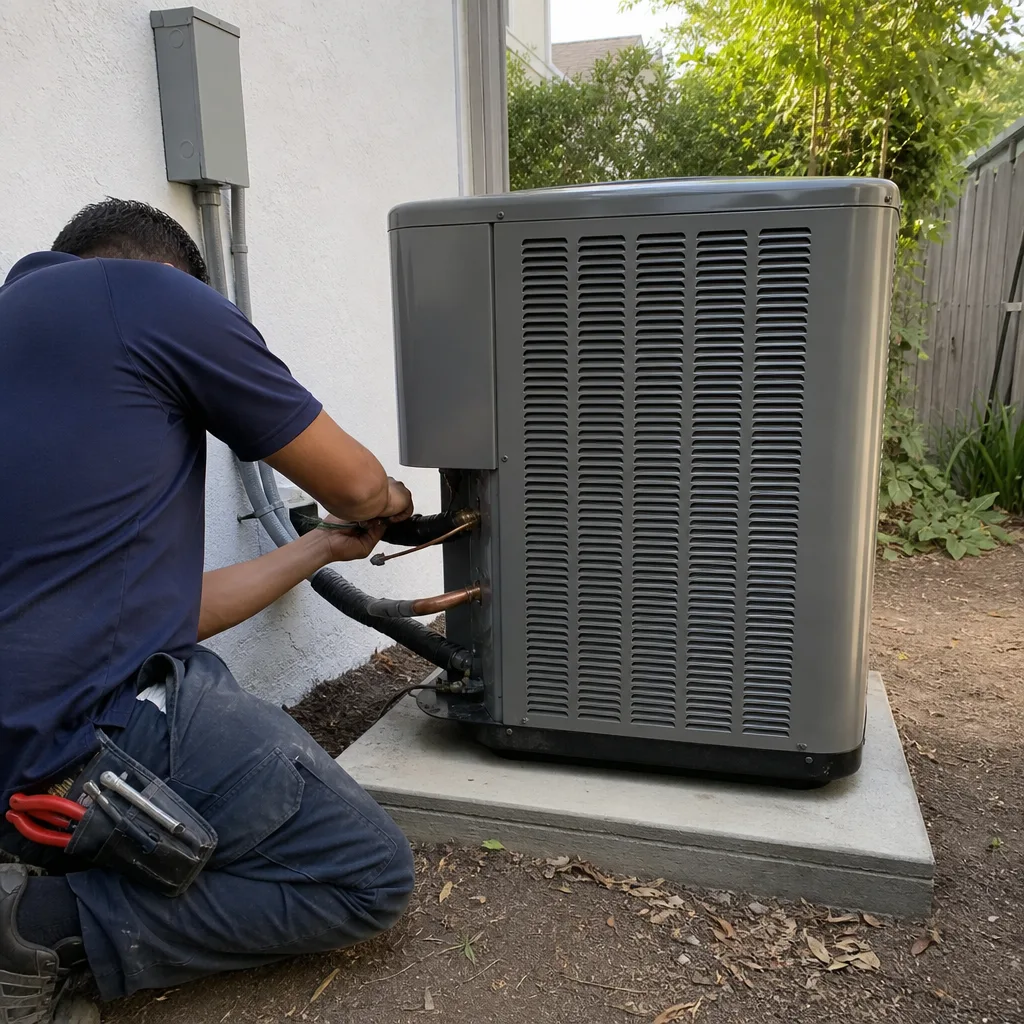
- Mini-split short-cycling or failing to reach setpoint. Dvele units ship with a specified HVAC load based on standard assumptions. Add square footage without recalculating, or site the outdoor unit where Palo Alto’s afternoon sun hits it directly, and the system never catches up. The part that fails first is usually the compressor contactor, but the root cause is the load calculation.
- Musty odor that returns after cleaning. The Dvele wall assembly relies on a vapor-open exterior and vapor-closed interior. Get the sequence wrong during an addition tie-in - or use the wrong tape on the interior face - and moisture drives into the cavity and stays there. In Palo Alto’s cooler months, that means mold-friendly conditions inside the wall.
- Floor bounce or door misalignment in the addition. The Dvele floor deck is a stiff, lightweight composite. Conventional joist framing next to it often feels different underfoot, and if the connection detail doesn’t transfer load properly, the addition settles independently. We’ve measured differential settlement of three-quarters of an inch in Professorville jobs where the original contractor skipped the specified ledger and post system.
- Electrical panel warmth or breaker nuisance-tripping. Dvele’s electrical package is sized tightly for the base module. Add a kitchen, laundry, or EV charger without a service upgrade and you’re running continuous loads near breaker rating. The breaker isn’t the problem - the load calc is. This is where DIY panel work becomes genuinely dangerous; we won’t touch live bus work without a proper lockout, and neither should anyone without training.
 Before
 After
AfterReplacement Cost & What’s Included
Home addition projects in Palo Alto range from $45,000 to $130,000; full ADU construction runs $90,000 to $220,000. What drives the spread is simple: foundation type (slab-on-grade versus raised perimeter), utility extension distance, and whether we’re tying into existing Dvele systems or building freestanding.
| Component | Typical Range |
|---|---|
| Foundation and structural connection | $12,000 - $35,000 |
| Framing and weatherization | $15,000 - $40,000 |
| Mechanical/electrical tie-in to Dvele module | $8,000 - $22,000 |
| Interior finish (flooring, paint, fixtures) | $10,000 - $33,000 |
Every quote is a flat written price with a written scope before any work starts. Under Clause 1 of the Haven Standard, that number doesn’t change unless you sign a change order - and no work proceeds on a change until you do. Our 365-Day Done Right Promise covers the workmanship; manufacturer warranties cover the materials. We pull permits, schedule inspections, and pass them before we invoice. The photo record from every visit is yours to keep, included as standard.
DIY or Call Us?
There’s a safe middle ground here, and then there’s a hard stop. An owner can verify the model number, photograph the data plate, and check the electrical panel for warmth with the back of their hand - that’s useful information to bring us. What we don’t recommend: cutting into the Dvele wall assembly to investigate moisture, attempting to reset or replace breakers in a live panel, or jacking the module to address settlement. The wall assembly is a tested system; breach it without knowing the vapor-profile sequence and you’ve converted a $2,000 fix into a $15,000 rebuild. Electrical work above 50 volts in California requires a licensed electrician; our crews include one on every job that touches the service.
Measure twice, write it down, then we talk. Call (650) 446-9092 to schedule your free estimate. We’ll review what you’ve found, photograph what we find, and give you a written price before anyone picks up a tool.
FAQs
A properly tied-in addition should match the structural lifespan of the main structure - 50-plus years for framing, 20 to 25 for mechanical systems, 15 to 20 for roofing. The variable is the connection detail: we use stainless-steel hardware and pressure-treated ledgers rated for ground contact because Palo Alto’s soil chemistry accelerates corrosion in standard galvanized fasteners. Call (650) 446-9092 and we’ll show you the spec sheet on the hardware we stock.
Usually, yes - if the issue is localized. We’ve replaced water-damaged floor sections in Barron Park units and resealed junctions that leaked. But if the module’s foundation has settled differentially, or the original moisture barrier is compromised throughout, repair costs can approach replacement. We give a free second opinion on any written estimate you’ve already received; bring it in and we’ll review it line by line.
Four to eight weeks from permit approval to final inspection, depending on foundation type and utility complexity. The Dvele-specific work - the structural connection, the mechanical tie-in, the weatherization sequence - is usually complete in week two. Permitting in Palo Alto typically adds three to four weeks upfront; we handle the submittals and the inspection scheduling.
We stock the connection hardware, flashing profiles, and compatible weatherization tapes that Dvele tie-ins require. Specific finish materials - siding to match, trim profiles, interior doors - we source from our regular supplier network, including KraftMaid and Wellborn for cabinetry, Cambria and Silestone for surfaces. We don’t carry full Dvele modules; those ship factory-direct. What we keep on hand is what fails or gets forgotten on Palo Alto job sites.
Written by Grant Rowan, Owner, Rowan Construction Group Palo Alto at Rowan Construction Group Palo Alto, serving Palo Alto and nearby areas.