
Free written scope consultation - allowances, timeline, and change-order rules on paper before a single trade is scheduled
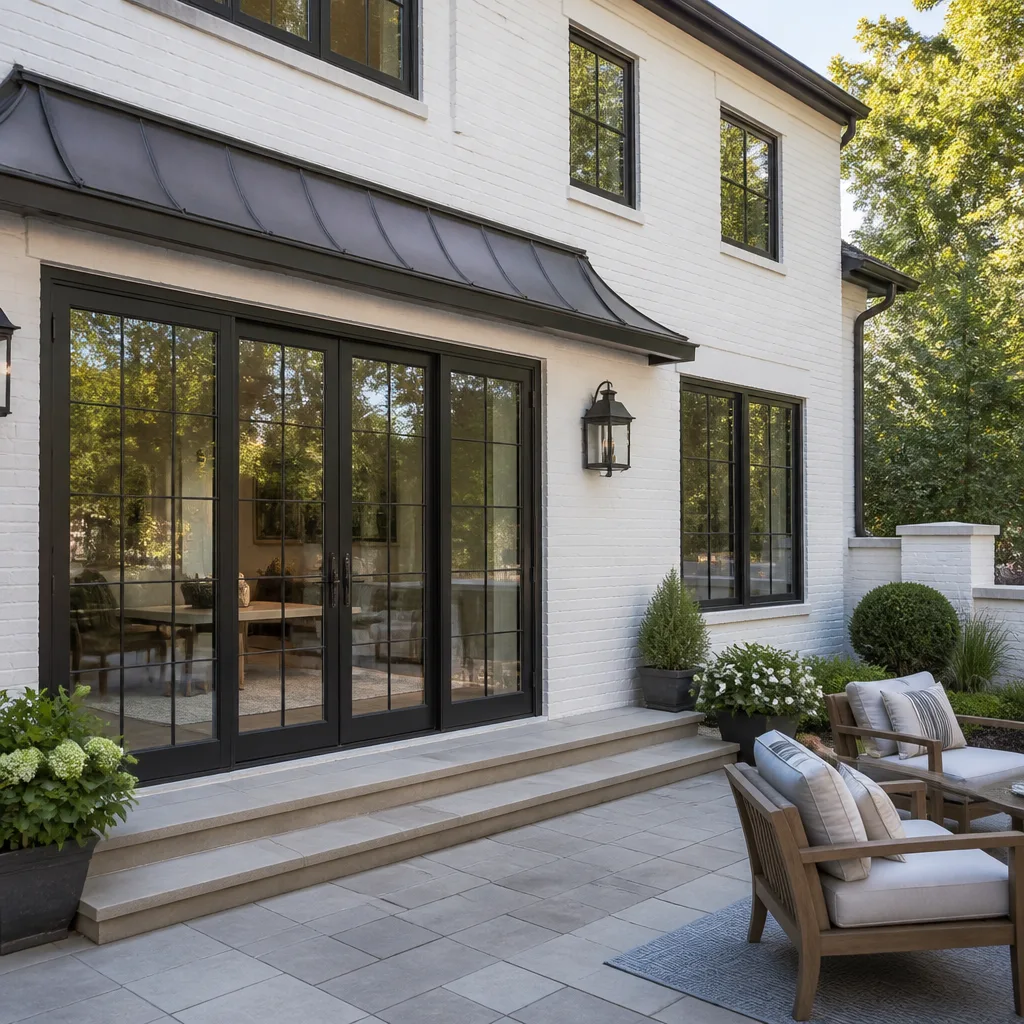
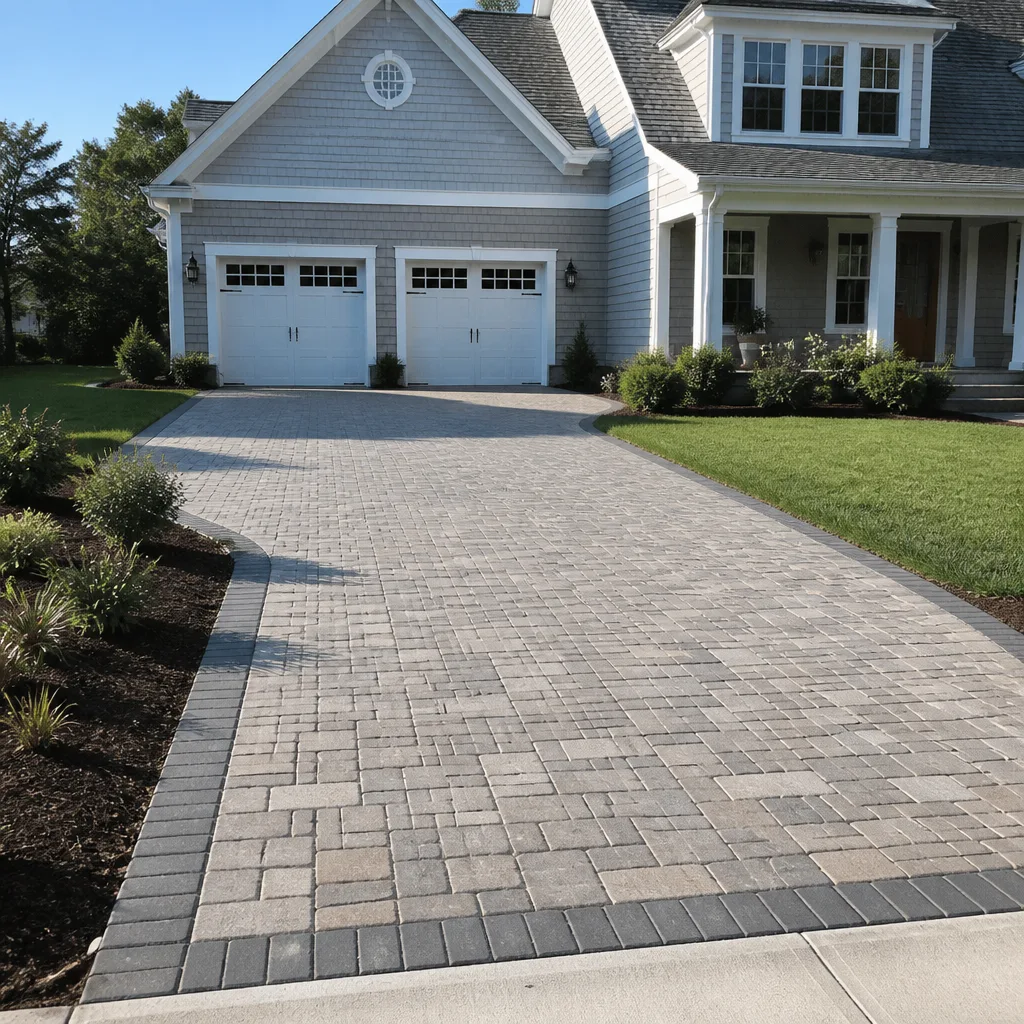
 Before
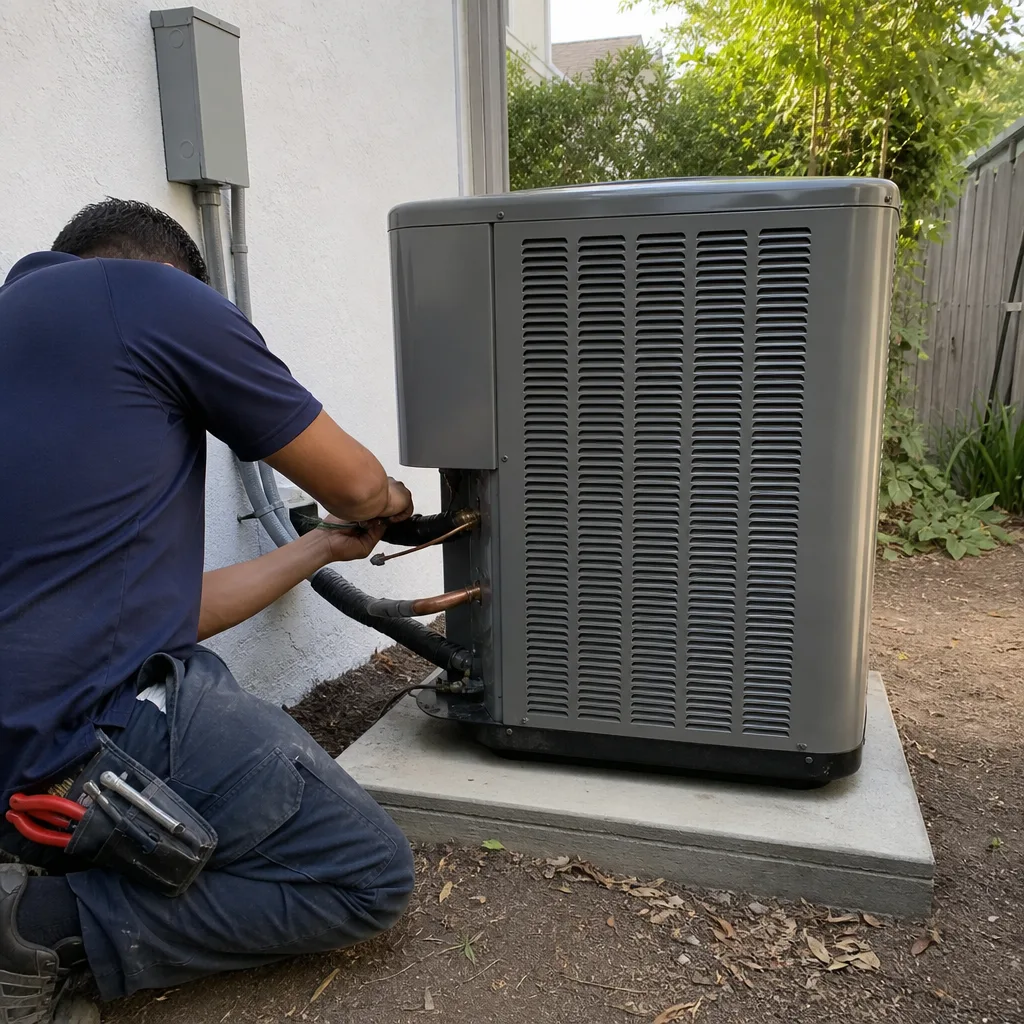 After
After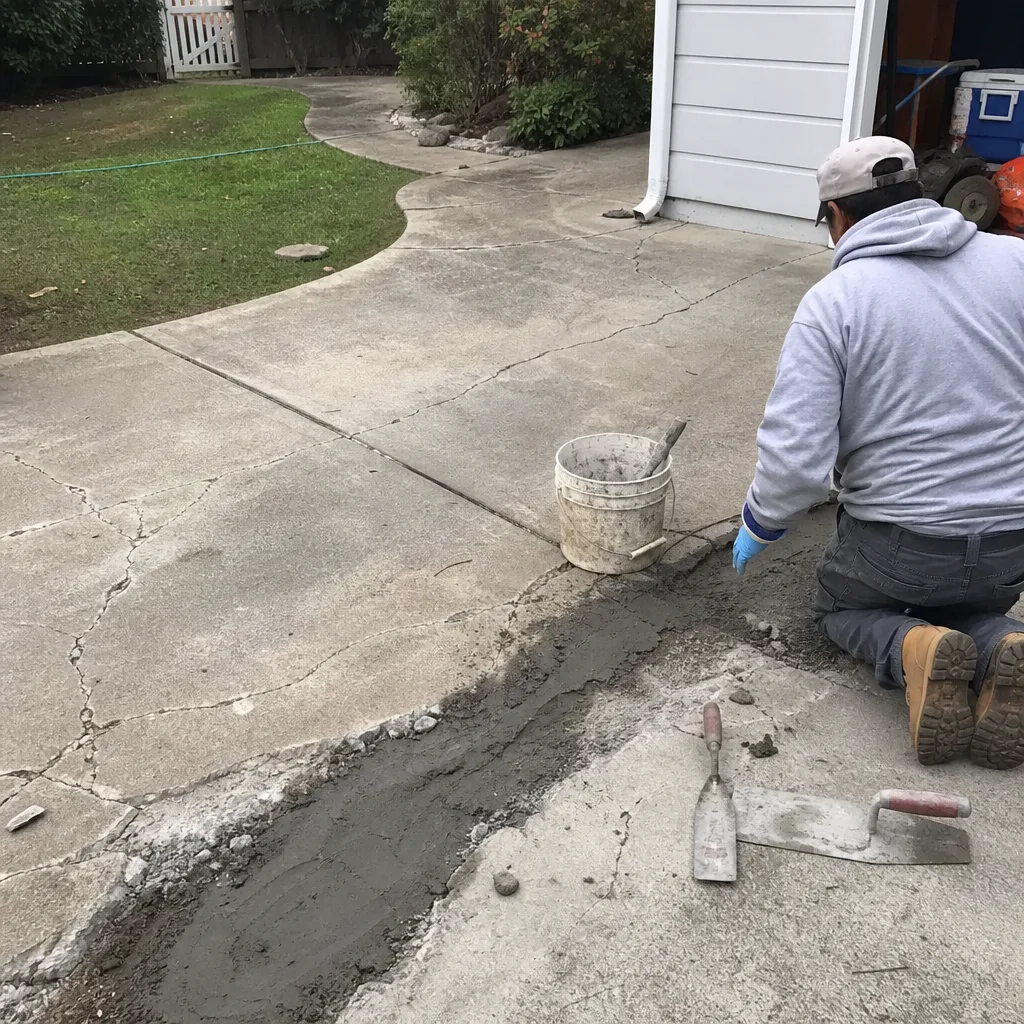 Before
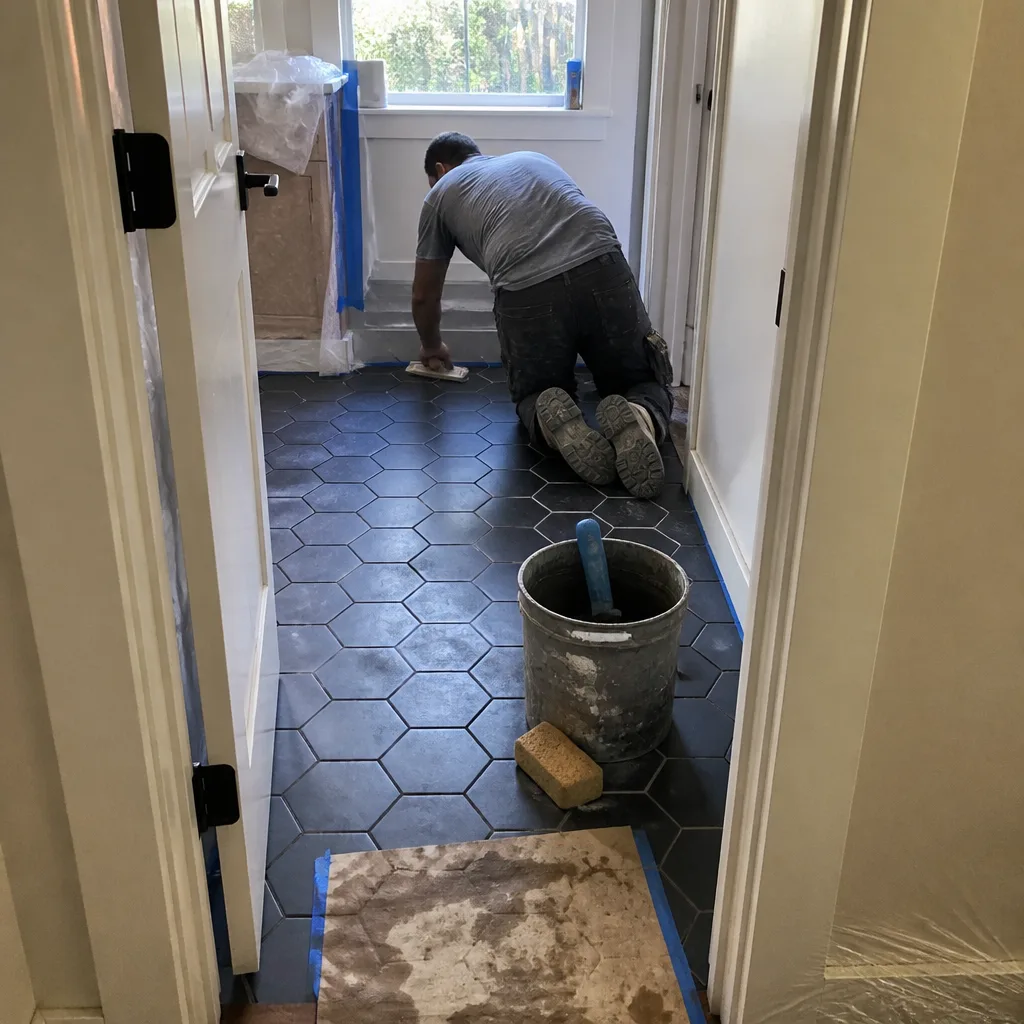 After
After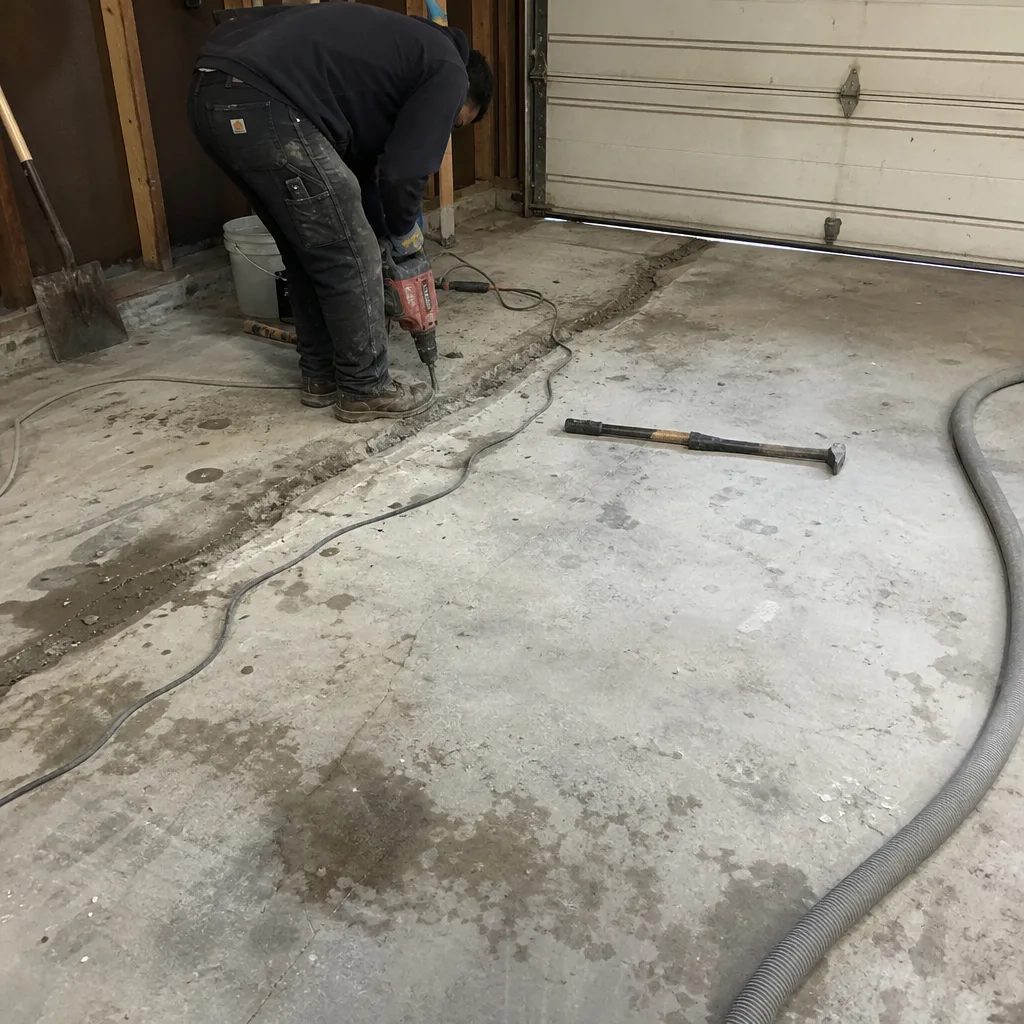 Before
 After
AfterJames Hardie Driveway & Pavers: The Palo Alto Owner’s Guide
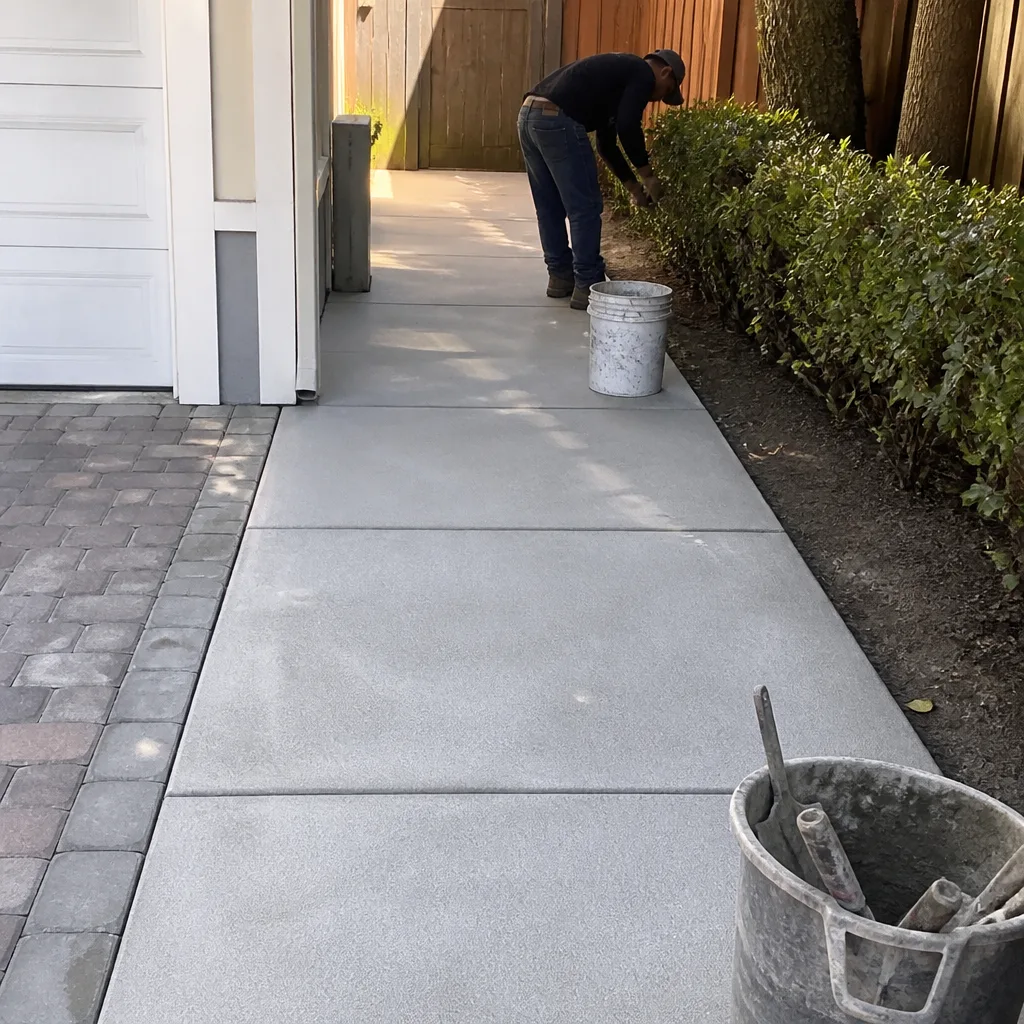
We stock and install James Hardie-compatible driveway and paver systems in Palo Alto, with typical installed pricing running $7,000-$18,000 for paver driveways and $3,500-$11,000 for paver patios depending on substrate condition and pattern complexity. Most James Hardie paver inquiries we see aren’t about the pavers themselves failing - Hardie doesn’t manufacture pavers directly, but rather the permeable base systems, edge restraints, and geotextile membranes that sit beneath and around third-party paver installations. Homeowners usually discover the problem when settling or drainage issues appear: a once-level driveway now holds water after rain, or the soldier course along the garage edge has pulled away from the structure.
Which James Hardie Models This Applies To
James Hardie’s involvement in hardscaping centers on two product families: the HardieBacker cement board system (sometimes misapplied as an underlayment for paver patios, where it doesn’t belong) and the proprietary drainage and edging components supplied through Hardie-authorized landscape distributors in Northern California. The part you’re likely looking for is the HardieEdge aluminum paver restraint, which comes in 8-foot lengths in brown, black, and mill finish, or the HardieDrain permeable base panel rated for 6,000 psf when properly compacted.
To identify what you have, check the garage-side edge of your driveway for stamped aluminum with “JH” or “Hardie” markings. The 2021-2023 production run used a lighter-gauge .080 aluminum that we stopped specifying after seeing deformation on three Palo Alto jobs in the Old Palo Alto neighborhood, where mature oak roots exert lateral pressure. Current spec is .100 gauge with integrated stakes at 12-inch centers. We carry both in the truck, but we won’t install the lighter gauge anymore - the price difference is $1.20 per linear foot, and the callback cost isn’t worth it.
Aftermarket equivalents from Permaloc and EdgePro exist, but they use different stake patterns that don’t align with Hardie’s pre-punched slots. Mixing systems voids the drainage warranty from the original installer. We source OEM through Pacific Supply in San Jose, same-day for standard colors.
Signs Your James Hardie Driveway & Pavers Is Failing
- Standing water 48 hours after rain. The HardieDrain panel’s 42% void ratio should clear water to the sub-drain in under six hours in Palo Alto’s clay-loam soil. If it doesn’t, the geotextile fabric above the panel has likely clogged with fine sediment, or the panel itself has crushed under point loading from a delivery truck or RV.
- Soldier course pavers tilting toward the garage. When the HardieEdge restraint pulls its stakes or the aluminum bends, the locked edge course loses its bearing surface. We’ve replaced three of these in the Duveneck/St. Francis neighborhood where the original installer used 8-inch stakes in decomposed granite instead of the 12-inch spec for native soil.
- Sand washing out between pavers. This indicates failure of the bedding layer below, often because the HardieDrain panels were butted without the required 1/4-inch expansion gap. Thermal cycling in Palo Alto’s 30-degree daily swings - common in July and August - pops the panels against each other and pumps fines upward.
- Efflorescence blooming on paver faces. White mineral deposits mean water is migrating upward through the system instead of draining laterally. The Hardie geotextile may have been installed upside down (smooth side up, fuzzy side down) which we see on about one in five competitor jobs we inspect.
- Visible settlement at the apron or garage transition. The compacted aggregate base beneath HardieDrain needs 95% modified Proctor density. In the foothill zones toward Page Mill Road, we’ve found original bases at 87-89% - adequate for flat ground, not for the modest slope that channels runoff toward the foundation.
 Before
 After
AfterReplacement Cost & What’s Included
For a typical Palo Alto driveway of 600 square feet with failed edge restraint and partial base degradation, our installed price runs $7,000-$12,000. That includes removal and disposal of existing pavers (salvaged where possible), excavation to 8 inches, recompaction with plate tamper and proof-roll verification, new HardieDrain panels with correct expansion gaps, HardieEdge .100 restraint in matching finish, bedding sand, paver relay, and polymeric sand sweep. If the geotextile and sub-drain are intact, we preserve them and knock $800-$1,200 off the price.
What drives the range: paver condition (can we reuse or do we match new), substrate depth needed for your soil type, and whether the garage slab needs grind-and-repair where the old edge dug in. Every quote is line-item written before work starts, per Clause 1 of the Haven Standard. The 365-Day Done Right Promise covers settlement, drainage performance, and edge integrity. Our documented photo record - standard on every visit, not an upgrade - shows before, during, and compaction test results.
DIY or Call Us?
What you can safely check: lift one paver at the garage edge and look for the Hardie stamp on the aluminum restraint. Measure stake spacing with a tape - 12 inches is current spec, 18 inches or more indicates corners were cut. Check for the fuzzy side of geotextile facing down; if it’s smooth on both sides, the fabric may be generic and the warranty already compromised.
Where DIY goes wrong: excavation without calling USA North 811 for utility locate is a fineable offense in Santa Clara County, and Palo Alto’s shallow gas laterals in older neighborhoods like Professorville run at 12-inch depth - exactly your excavation target. Recompaction requires a plate tamper rated for 5,000 pounds of centrifugal force; rental units often don’t hit this, and under-compacted base fails in two seasons. We pull permits when required, carry the compaction meter, and our crews are background-checked before they arrive. Measure twice, write it down, then we talk.
Call (650) 446-9092 to schedule your free estimate. We’ll review what you have, photograph it, and deliver a written price before any work starts.
FAQs
The HardieDrain panels carry a 20-year material warranty, but in Palo Alto’s climate with proper installation we see 15-18 years of functional life before geotextile clogging becomes the limiting factor. The .100 HardieEdge restraint lasts indefinitely if not struck by vehicles; the lighter .080 gauge often deforms within 8-10 years in root-heavy soils. Call (650) 446-9092 for an exact quote - estimates are free.
Partial repair is possible if less than 20% of the run is affected and the original stakes pulled cleanly without enlarging the holes. We splice in matching sections with overlap plates. On three of the last eight Palo Alto jobs we inspected, the root damage was too extensive for splicing and full replacement was the honest recommendation. Call (650) 446-9092 for an exact quote - estimates are free.
A 600-square-foot driveway with salvageable pavers takes 3-4 working days: one for removal and excavation, one for base prep and compaction testing, one for panel and edge installation, one for paver relay and polymeric sand curing. Weather delays in Palo Alto are rare - we work through mild rain - but polymeric sand needs 24 hours dry to set properly. Call (650) 446-9092 for an exact quote - estimates are free.
We carry HardieEdge .100 in brown and black, standard stake lengths, and HardieDrain panels for up to 400 square feet. Custom mill finish or larger jobs pull from Pacific Supply same-day. We also stock KraftMaid cabinet hardware, Cambria and Silestone seam kits, and a range of other brand-specific parts across our seven trades - the sourcing depth that lets us quote honest numbers rather than inflated ones. Call (650) 446-9092 for an exact quote - estimates are free.
Written by Grant Rowan, Owner, Rowan Construction Group Palo Alto at Rowan Construction Group Palo Alto, serving Palo Alto and nearby areas.