
Free written scope consultation - allowances, timeline, and change-order rules on paper before a single trade is scheduled
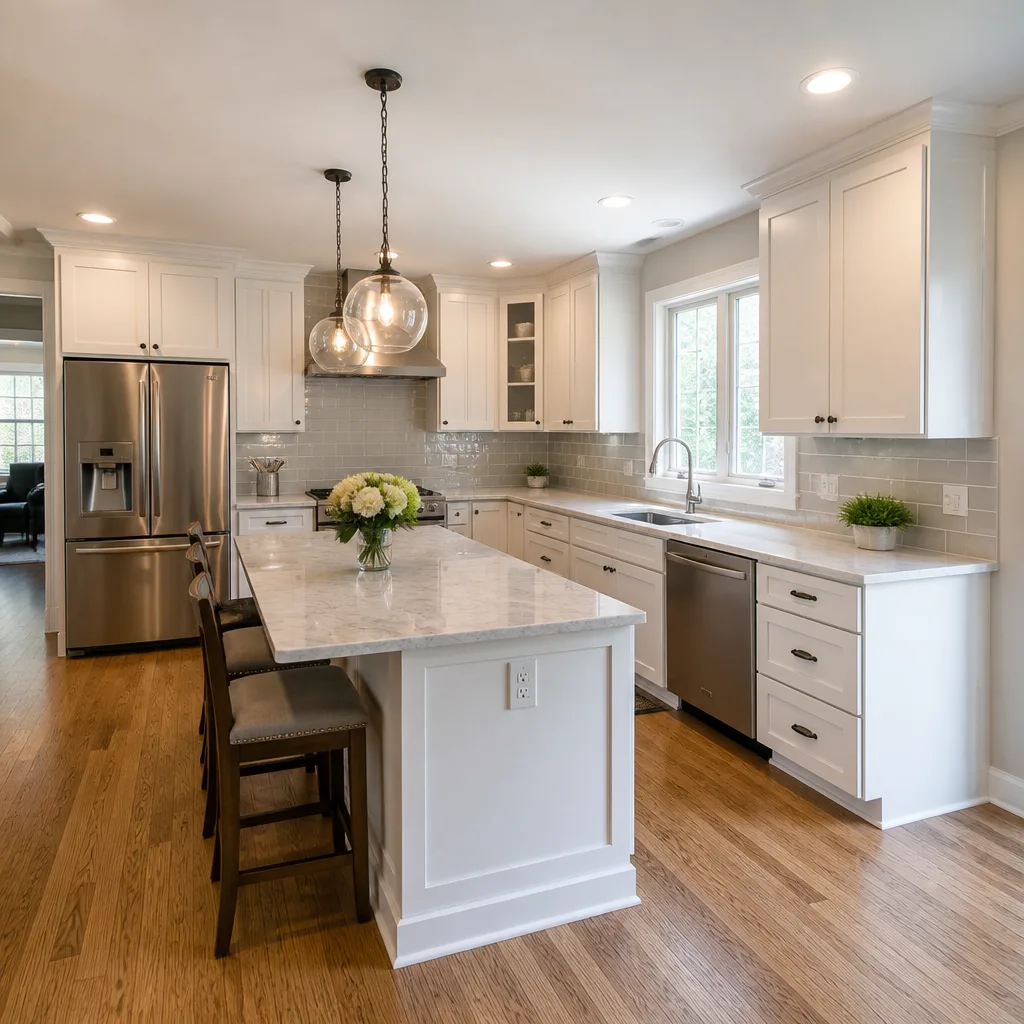
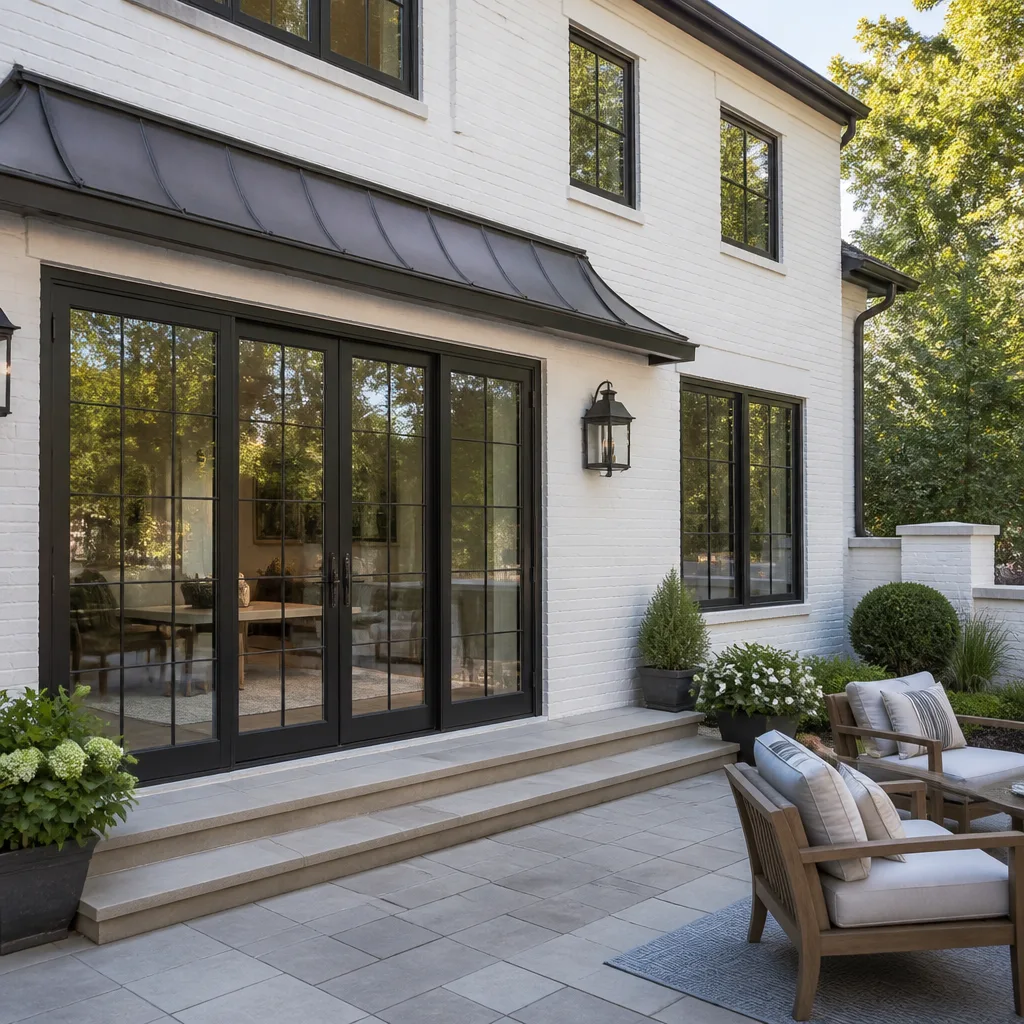
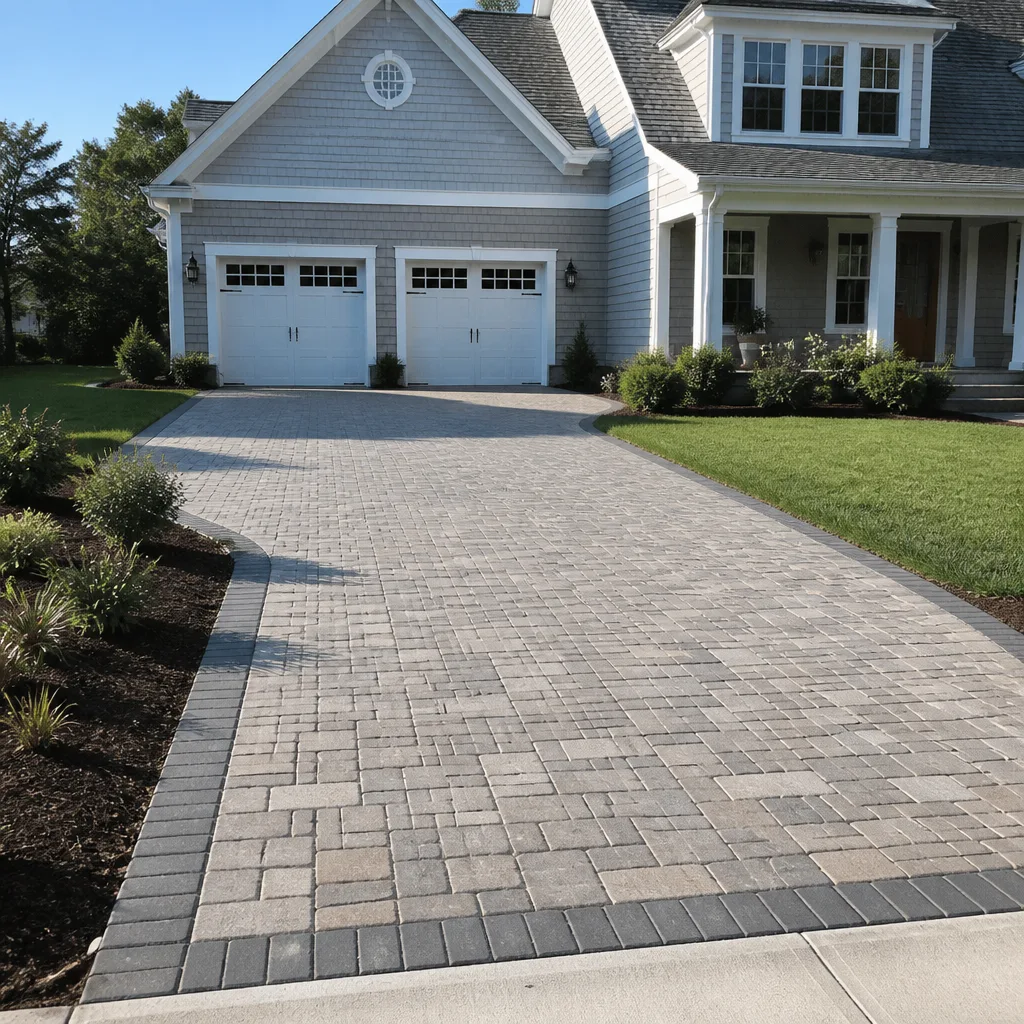
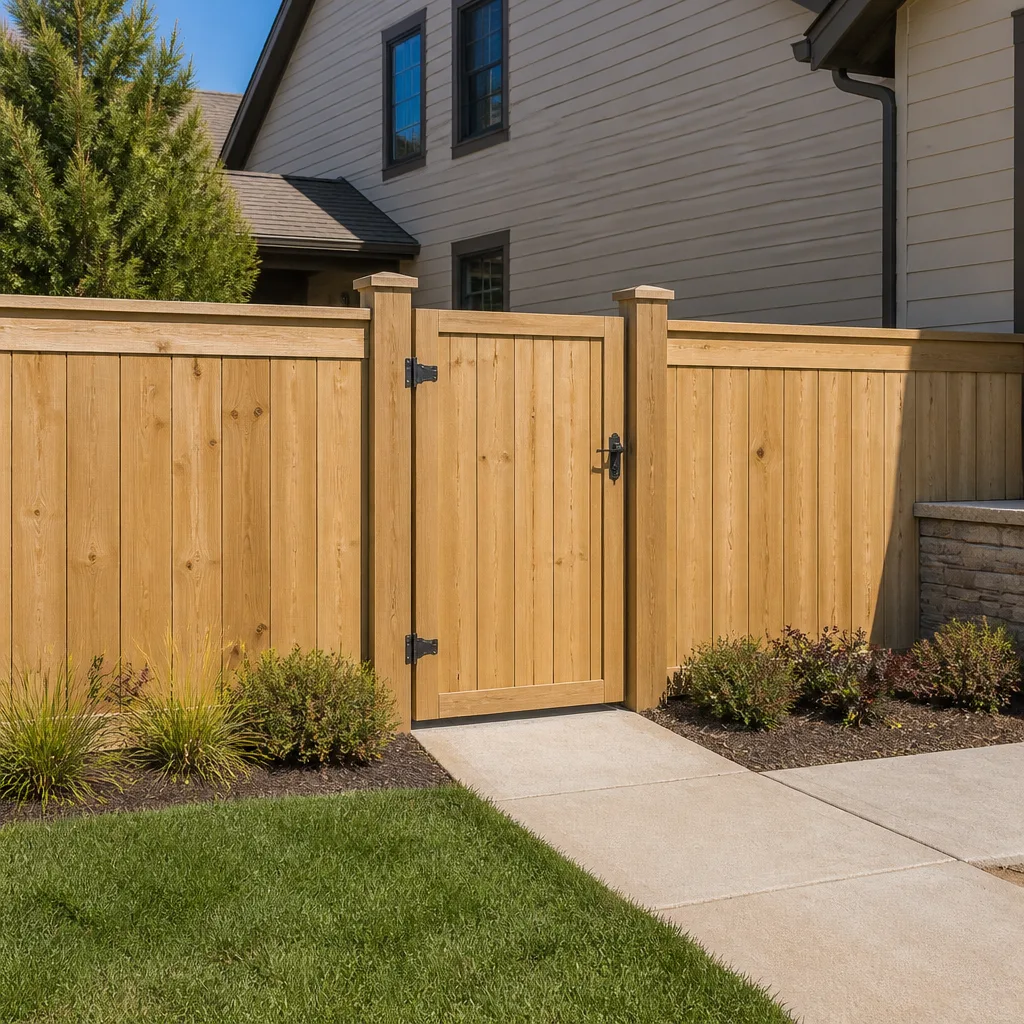
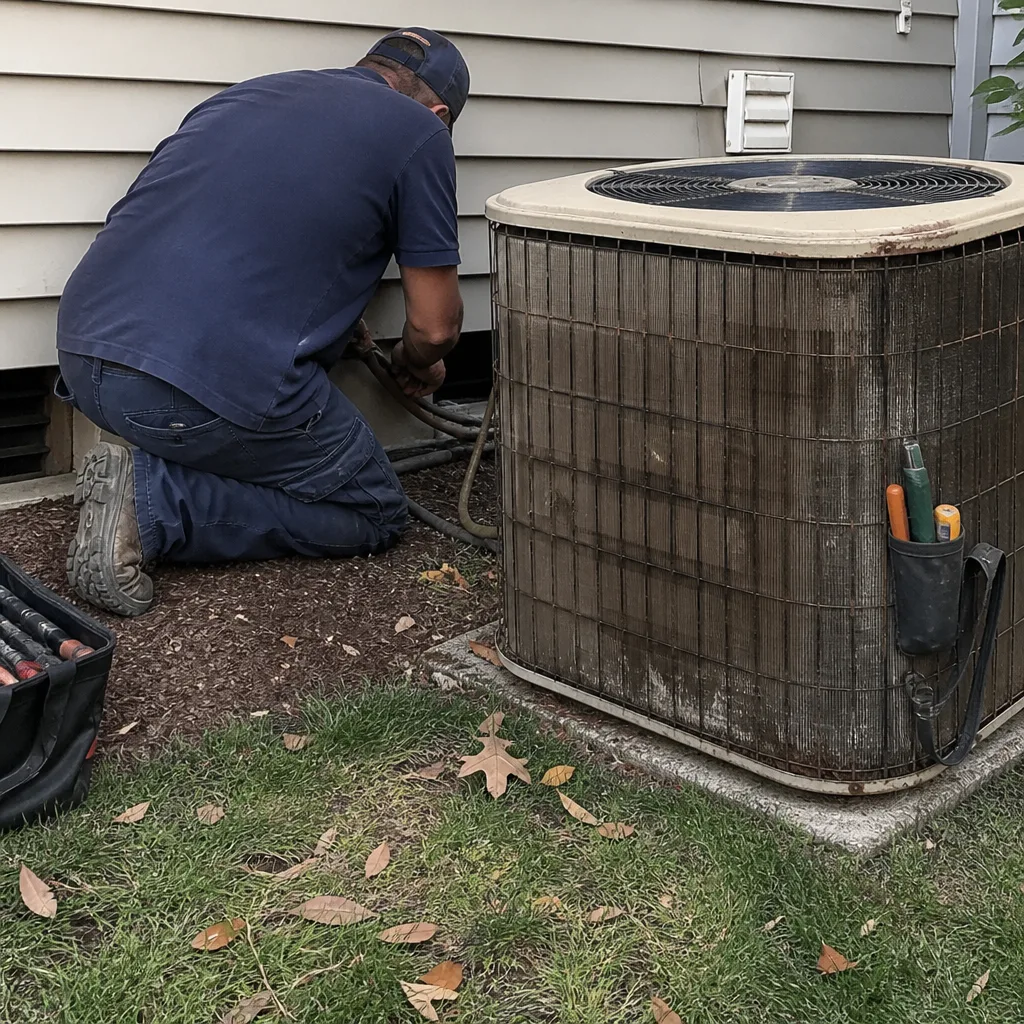 Before
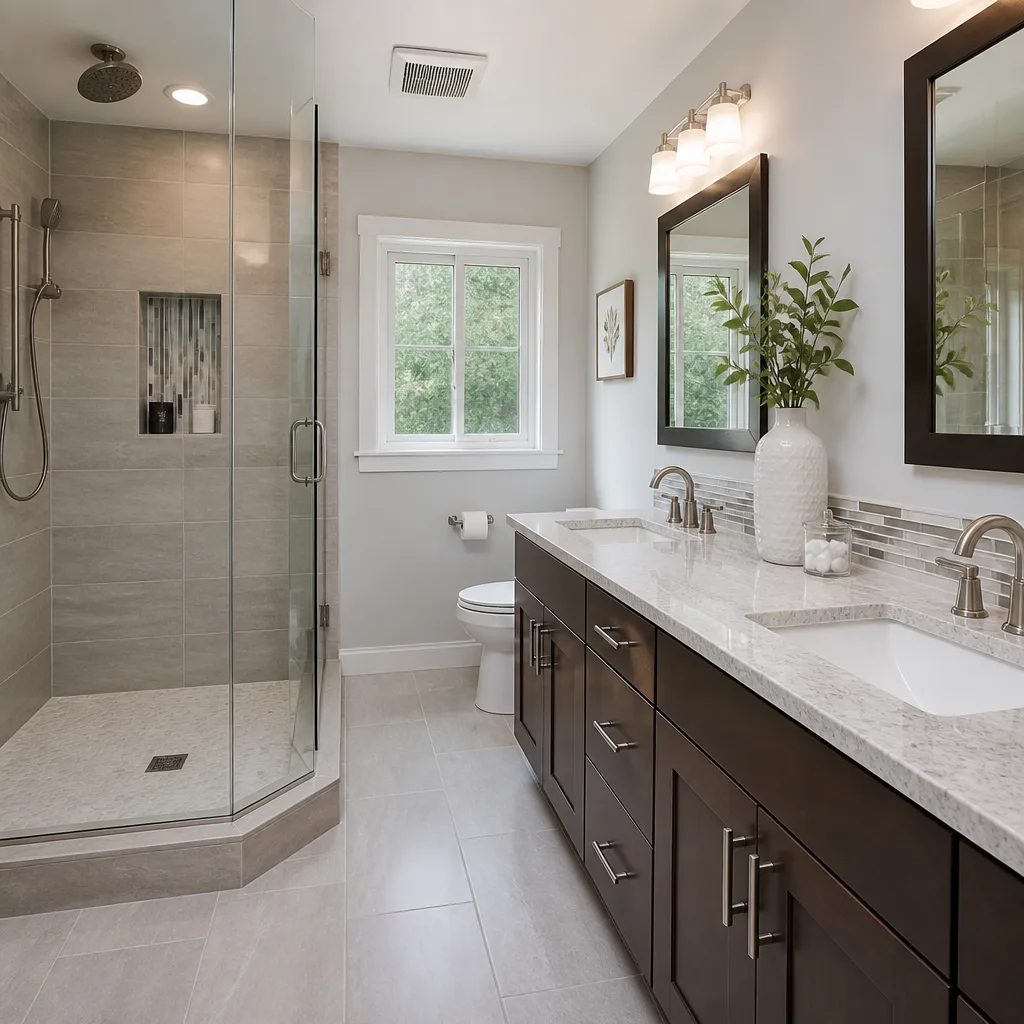
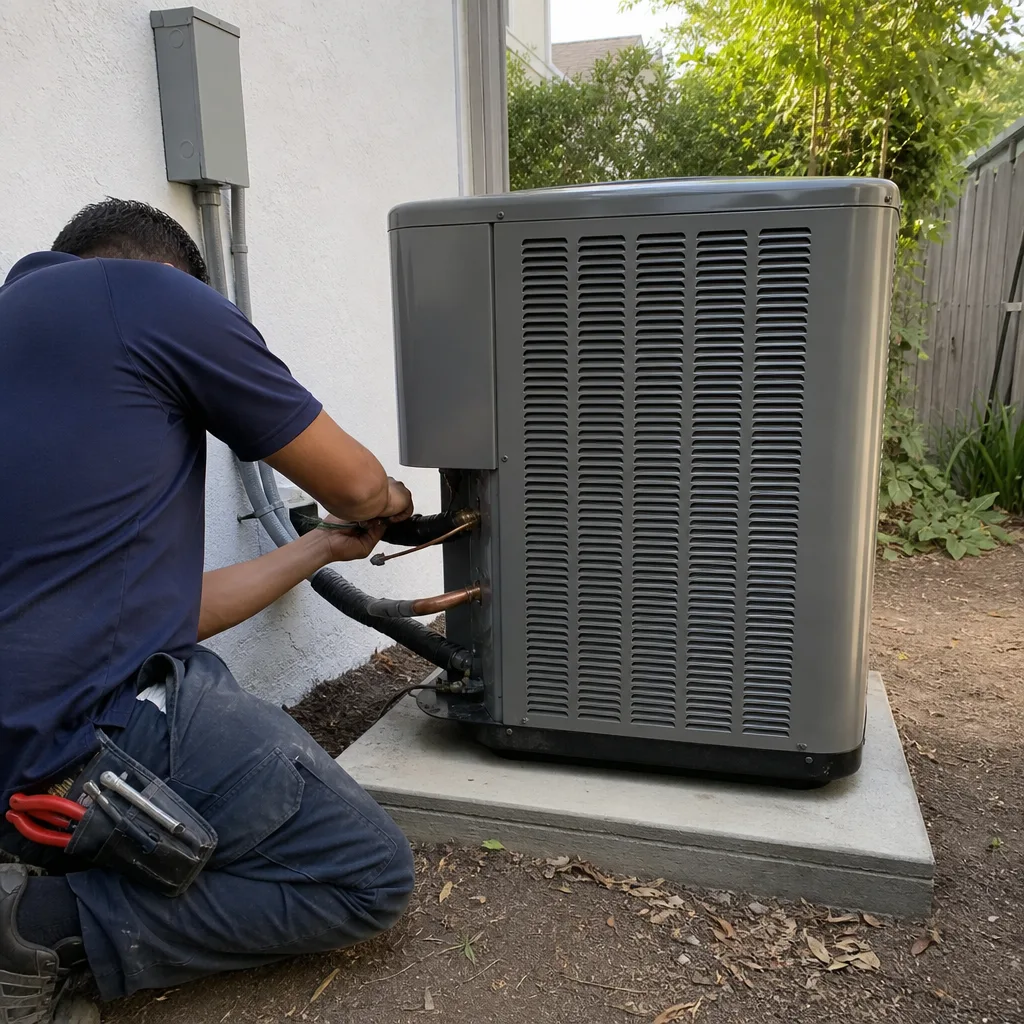 After
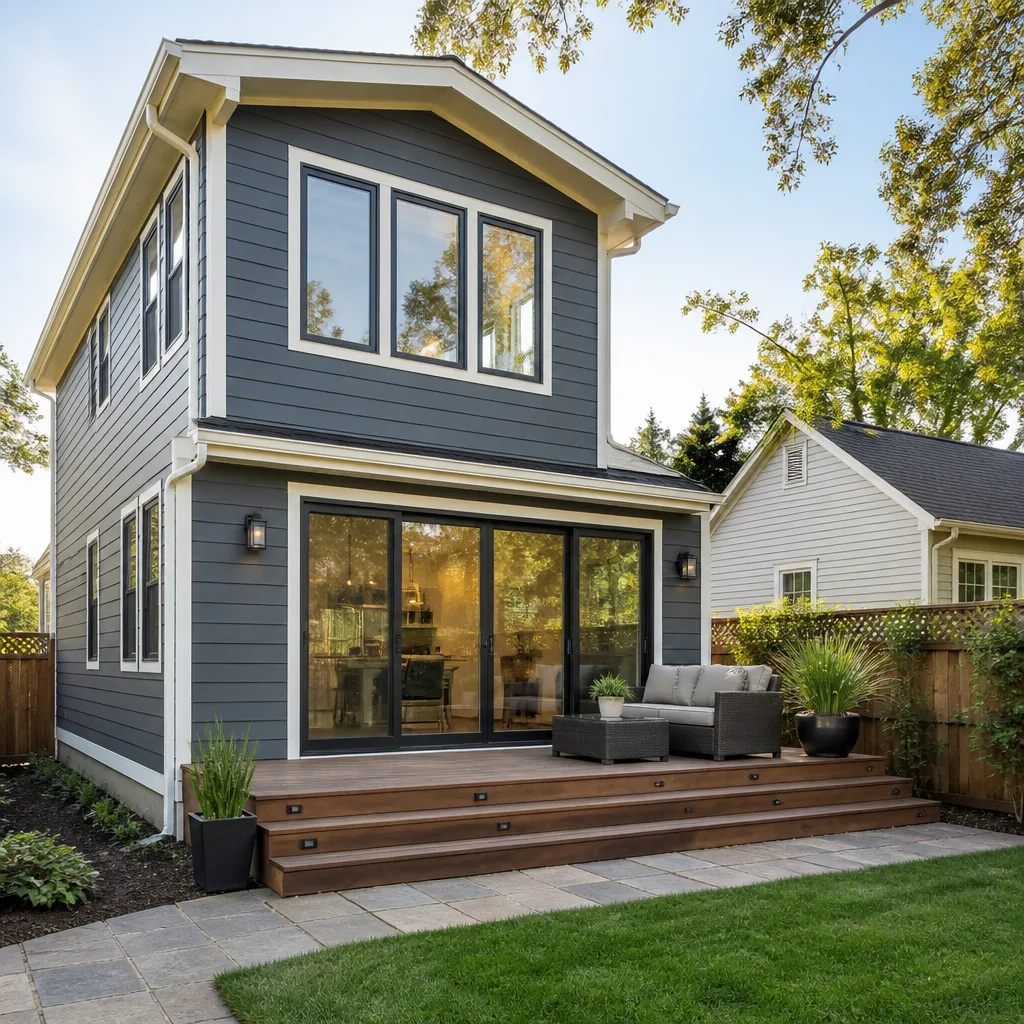
After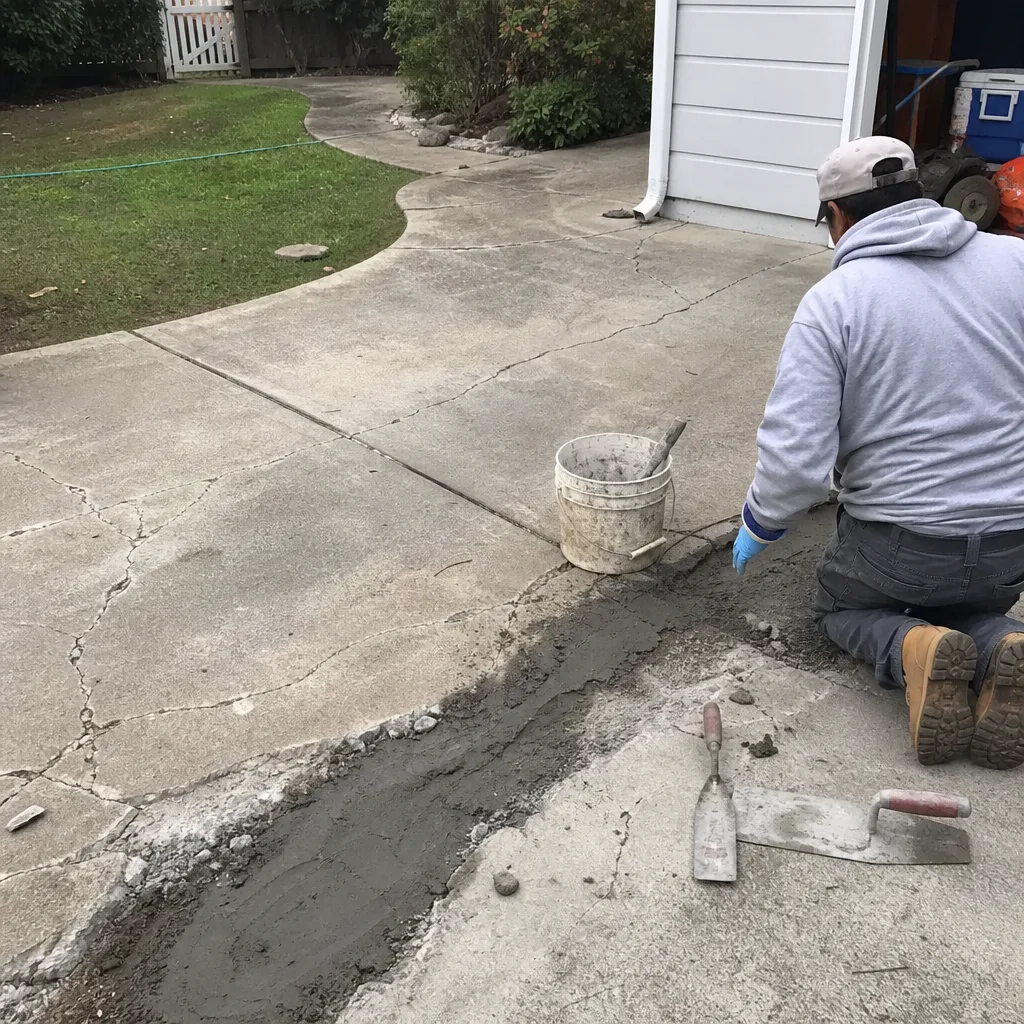 Before
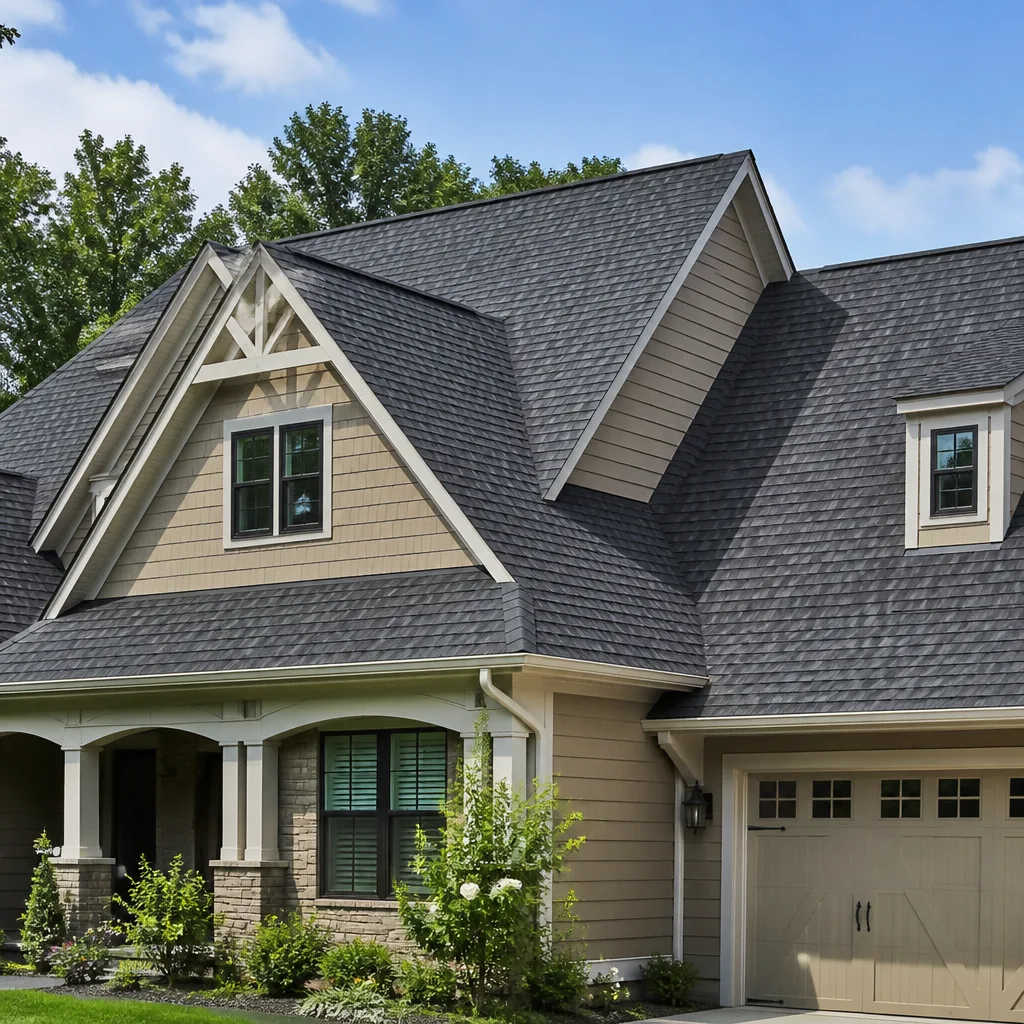
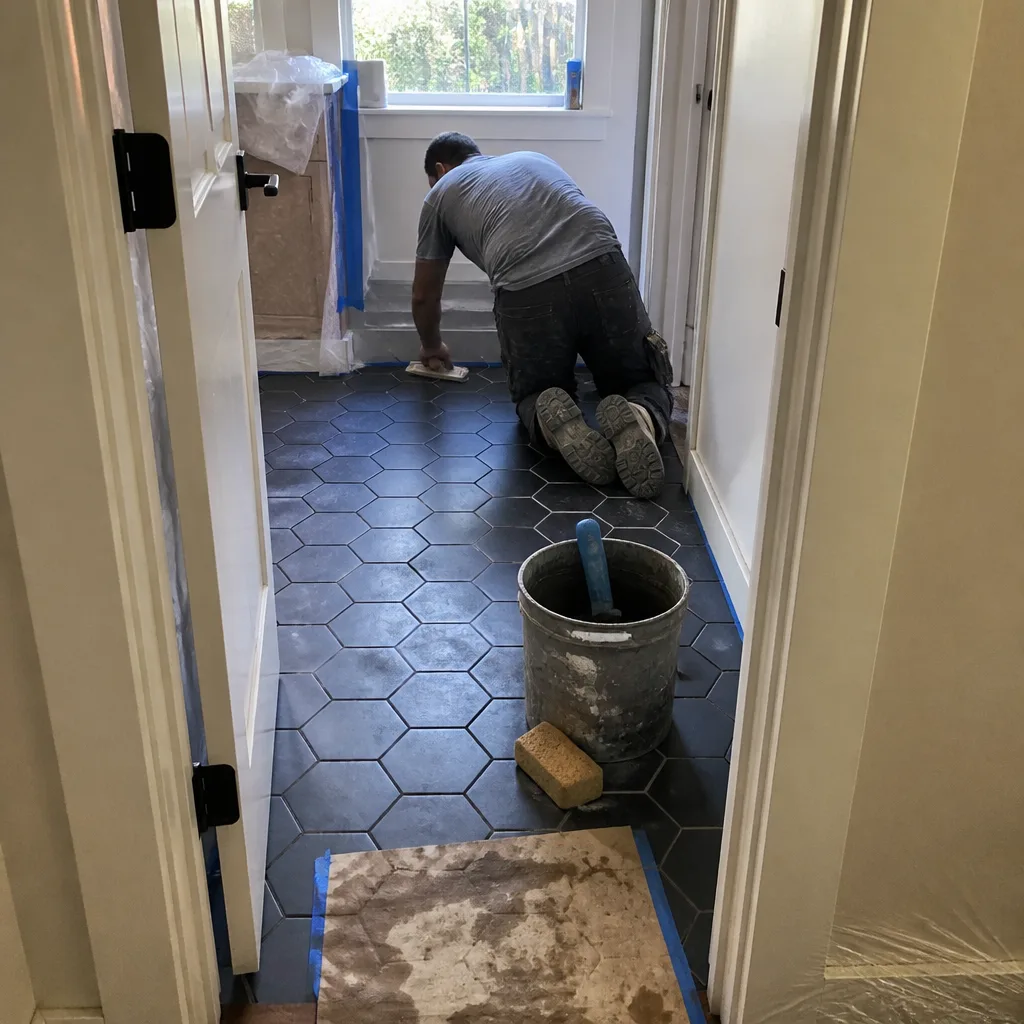 After
After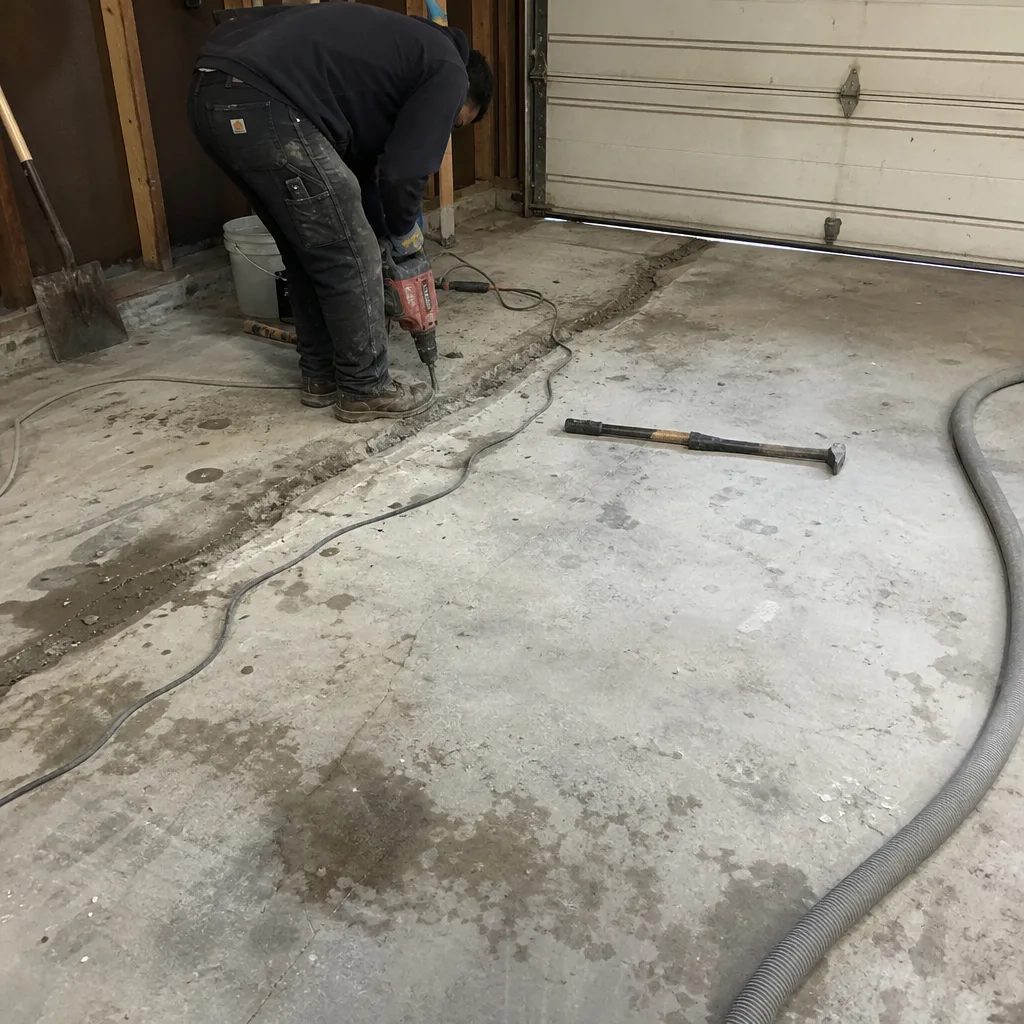 Before
 After
AfterAtlas Home Additions & ADU: The Palo Alto Owner’s Guide
We stock and install Atlas-compatible components for home additions and ADU projects across Palo Alto, with typical installed pricing from $45,000 to $130,000 for additions and $90,000 to $220,000 for full ADU construction. Most Atlas-related consultations in the Old Palo Alto and Professorville neighborhoods start with a free written estimate delivered within 48 hours. Owners usually discover an issue when their addition’s structural connectors, window systems, or pre-engineered wall panels show separation, moisture intrusion, or hardware fatigue - often after the fifth or sixth winter of Peninsula fog cycles working through expansion joints that were never resealed.
Which Atlas Models This Applies To
Atlas produces pre-engineered structural systems for home additions and accessory dwelling units under several product lines, including the Atlas Signature Series, Atlas Flex-Span connector kits, and the Atlas ADU Pro wall-panel system. The critical identification step is locating the manufacturing stamp on the steel moment frame or the laminated beam jacket - usually a 12-digit serial prefix and a date code in the upper right corner of the label. We cross-reference this against Atlas’s revision history because the 2019-2021 production runs used a 5/8-inch through-bolt pattern that differs from the current 3/4-inch spec; mixing hardware generations creates a shear-load mismatch that Palo Alto’s building inspectors flag during final inspection.
Rowan Construction Group Palo Alto is an independent service provider, not affiliated with Atlas. For OEM replacement, we source direct from Atlas’s distribution center in San Jose, with typical lead times of 10-14 business days. Where the project timeline doesn’t allow that wait, we spec equivalent-grade Simpson Strong-Tie or MiTek hardware that carries the same ICC-ESR report numbers and meets Palo Alto’s Chapter 23 structural requirements. The aftermarket route saves roughly 8-12 days but requires our engineer to sign off on the substitution - we handle that documentation as part of the written scope.
Signs Your Atlas Home Additions & ADU Is Failing
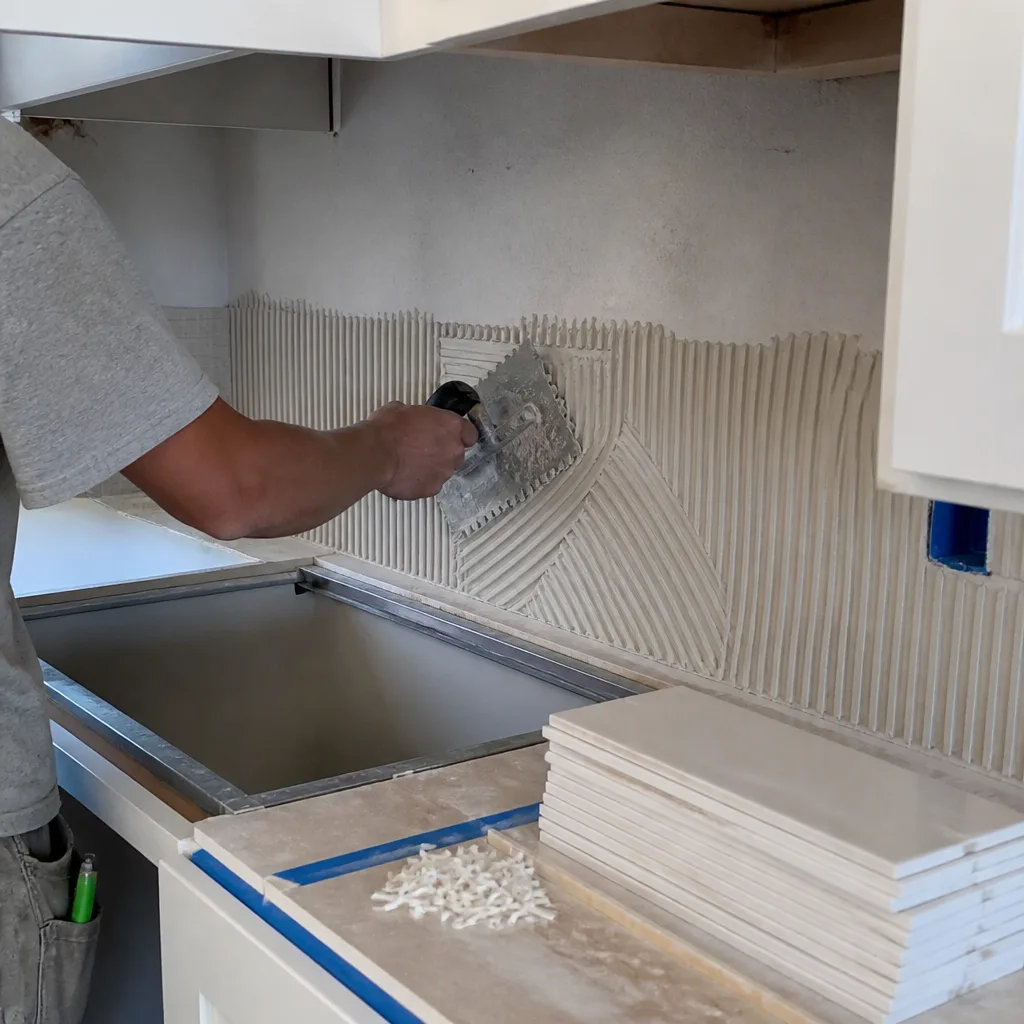
- Visible separation at wall-to-foundation joints. The Atlas Flex-Span system’s sill-plate gasket compresses over time, and Palo Alto’s clay-heavy soils in the Barron Park area accelerate differential settling. You’ll see a gap widening between the bottom plate and the concrete stem wall, often with dust or insect trails marking the opening.
- Window frames pulling away from rough openings. Atlas ADU Pro panels ship with pre-installed bucks that rely on a specific fastening schedule; if the original crew skipped every third fastener or used non-coated screws, the coastal humidity causes the buck to back out. The window operates stiffly and the interior trim cracks at the corners.
- Sagging or bouncing in second-floor additions. The laminated veneer lumber (LVL) beams in Atlas Signature Series systems are rated for specific span tables; a 16-foot span with inadequate bearing length at the header will creep downward over 18-24 months. You’ll notice it first as a subtle slope in the flooring, then as doors that swing open on their own.
- Moisture staining at panel seams. Atlas’s factory-applied weather-resistive barrier (WRB) has a 10-year rated lifespan in direct UV exposure; south-facing walls in Palo Alto’s California Avenue corridor see that degradation in 6-7 years. The stain pattern follows the horizontal panel joints, not random leaks, which is your tell.
- Hardware corrosion at exposed connectors. The zinc-coated brackets specified for interior use in Atlas’s standard kit were sometimes installed on exterior shear walls by crews cutting corners. In Palo Alto’s salt-air influence zone, those brackets show orange rust bloom within 3-4 years instead of the rated 15-year service life.
 Before
 After
AfterReplacement Cost & What’s Included
| Component / Scope | Palo Alto Installed Range |
|---|---|
| Atlas connector hardware replacement (localized) | $2,800 - $7,500 |
| Panel seam WRB repair and resealing | $4,200 - $11,000 |
| LVL beam reinforcement or sistering | $8,500 - $19,000 |
| Full Atlas window buck replacement | $6,000 - $14,500 |
| Complete addition structural audit + written report | $1,200 - $2,800 |
| Full home addition (new construction) | $45,000 - $130,000 |
| Full ADU construction | $90,000 - $220,000 |
The range depends on three factors: access (scaffolding vs. interior demolition), whether Palo Alto requires a structural engineer’s letter for the permit amendment, and the vintage of your Atlas system - pre-2018 components often need custom fabrication that adds 10-15 days. Under Clause 1 of the Haven Standard, every project receives a written line-item price before work starts; no change proceeds without a signed change order. Our 365-Day Done Right Promise covers all Atlas-compatible work, and every visit includes a documented photo record delivered by text link.
DIY or Call Us?
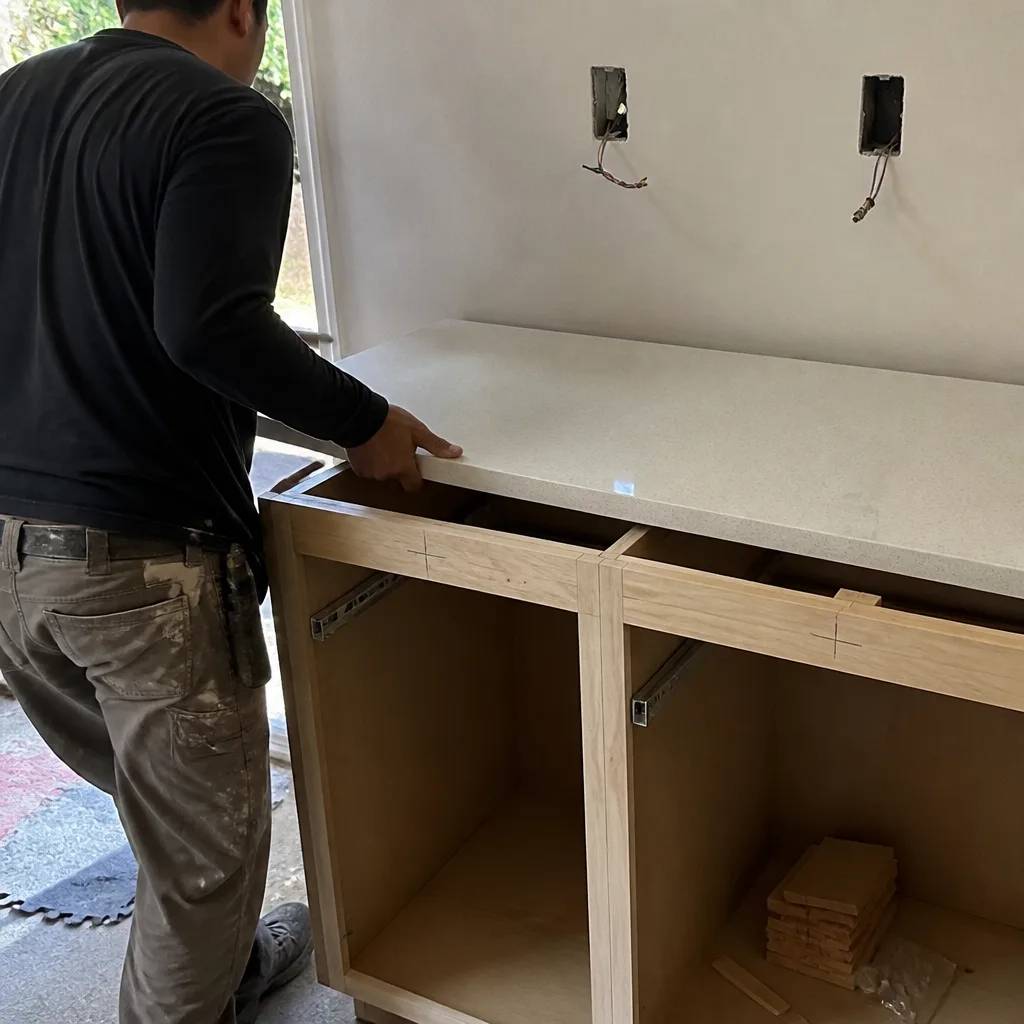
An owner can safely check the manufacturing label location and photograph any visible gaps or stains for our review - that documentation alone often saves us an initial trip. What you should not attempt: removing or adjusting structural connectors, cutting into laminated beams to assess interior delamination, or resealing panel seams above ground level without proper fall protection. The Atlas system’s moment-frame connections are engineered for specific torque values; an under-tightened bolt fails progressively and silently, while an over-tightened one strips the wood fiber and creates a hidden stress riser.
We’ve seen the aftermath in Palo Alto’s Community Center neighborhood - a homeowner’s $400 self-fix became an $8,400 repair when the inspector flagged the modified connection and required engineered drawings. Measure twice, write it down, then we talk. Call (650) 446-9092 to schedule your free estimate and we’ll review your photos before deciding if a site visit is necessary.
FAQs
Properly installed Atlas hardware in Palo Alto’s mild coastal climate typically achieves 25-30 years of service life, though south-facing WRB exposure and inadequate resealing of expansion joints can cut that to 12-15 years. The fog-driven moisture cycles in the Foothills area are harder on steel connectors than the drier microclimate near Stanford campus. Call (650) 446-9092 for a free structural audit if you’re past year 15 - estimates are free.
No - a deformed, corroded, or over-torqued structural connector must be replaced per the manufacturer’s specification; repair welding or plating is not recognized by Palo Alto’s building division or Atlas’s engineering department. The ICC-ESR report that validates the system’s use specifically requires OEM or equivalent-grade replacement hardware. Call (650) 446-9092 and we’ll source the correct part with lead time included in your written quote.
A localized connector replacement on an accessible first-floor addition typically requires 2-3 days of active work, plus permit processing time if the change affects the lateral-force-resisting system. Second-floor or ADU-over-garage work adds a day for scaffolding setup. We don’t promise same-day completion on structural work - the permit and inspection sequence is there for a reason. Call (650) 446-9092 to review your timeline and we’ll build the permit schedule into the written scope.
We carry Simpson Strong-Tie and MiTek equivalents that match Atlas specifications for common connector sizes; true Atlas OEM hardware is ordered to serial number to avoid the 2019-2021 bolt-pattern mismatch issue. For emergency stabilization, our crews can install rated temporary hardware same-day while OEM parts ship. Call (650) 446-9092 with your manufacturing label photo and we’ll confirm compatibility before the first truck rolls.
Written by Grant Rowan, Owner, Rowan Construction Group Palo Alto at Rowan Construction Group Palo Alto, serving Palo Alto and nearby areas.