
Free written scope consultation - allowances, timeline, and change-order rules on paper before a single trade is scheduled
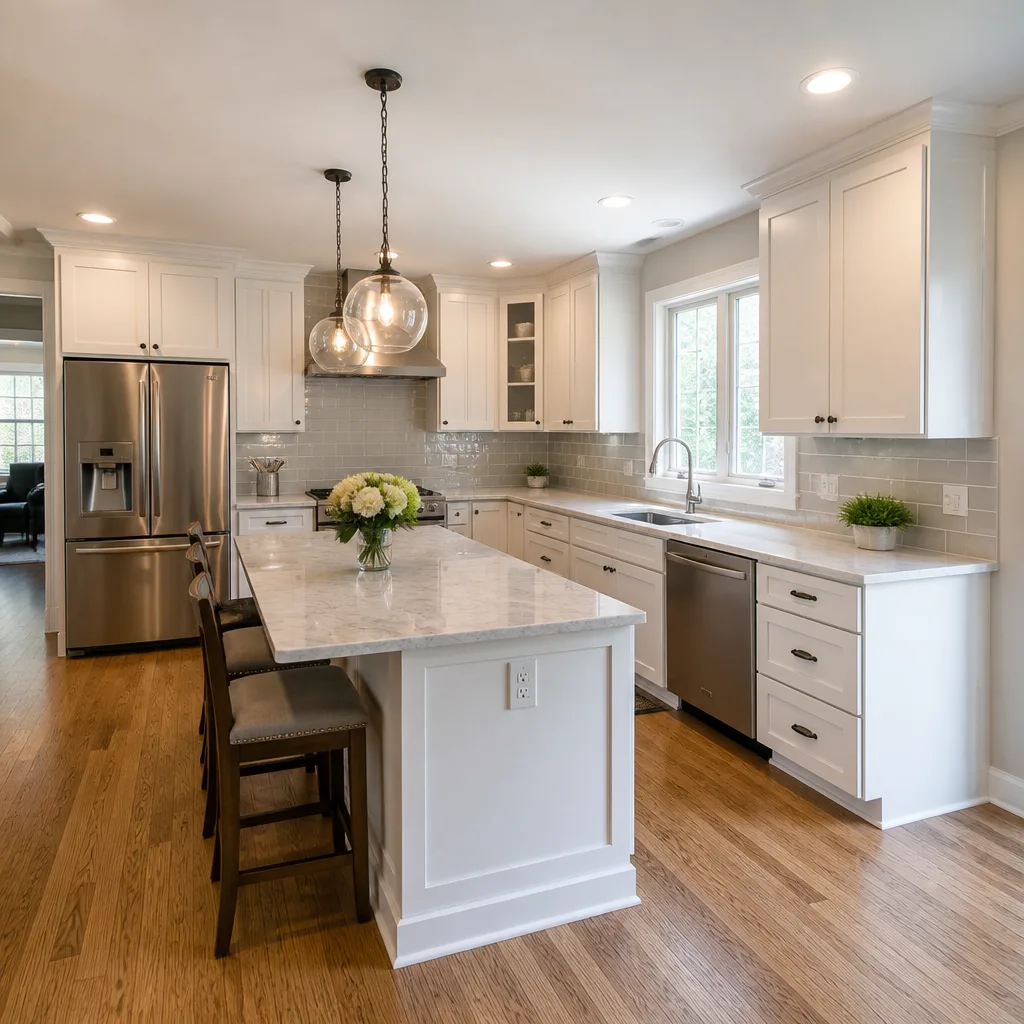
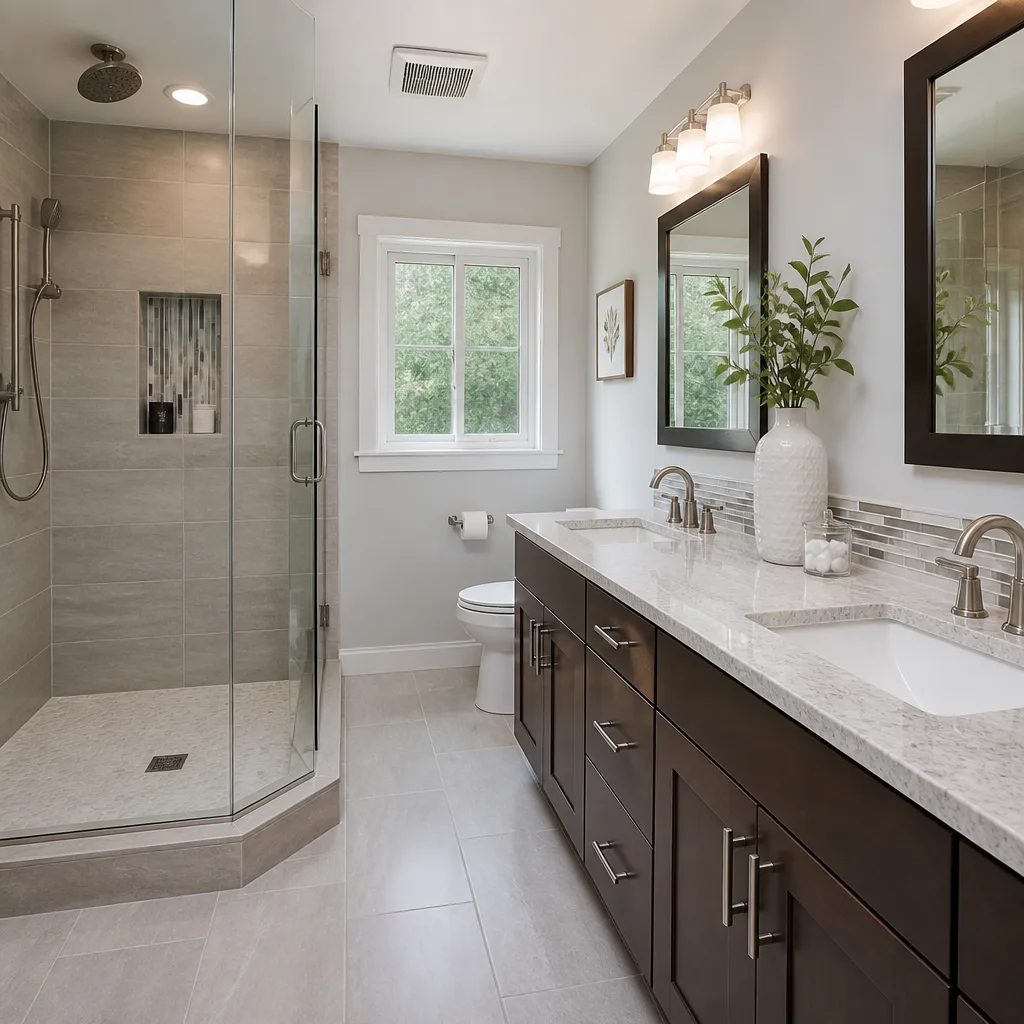
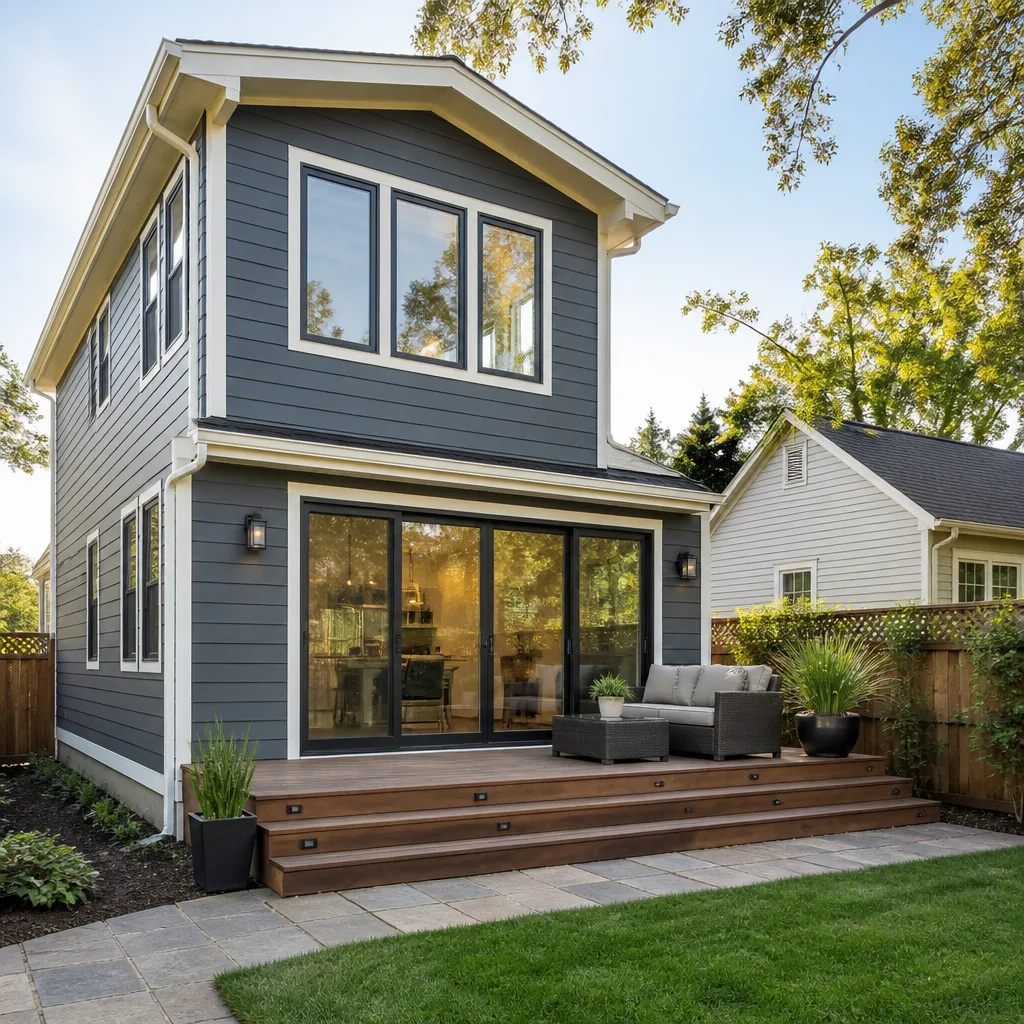
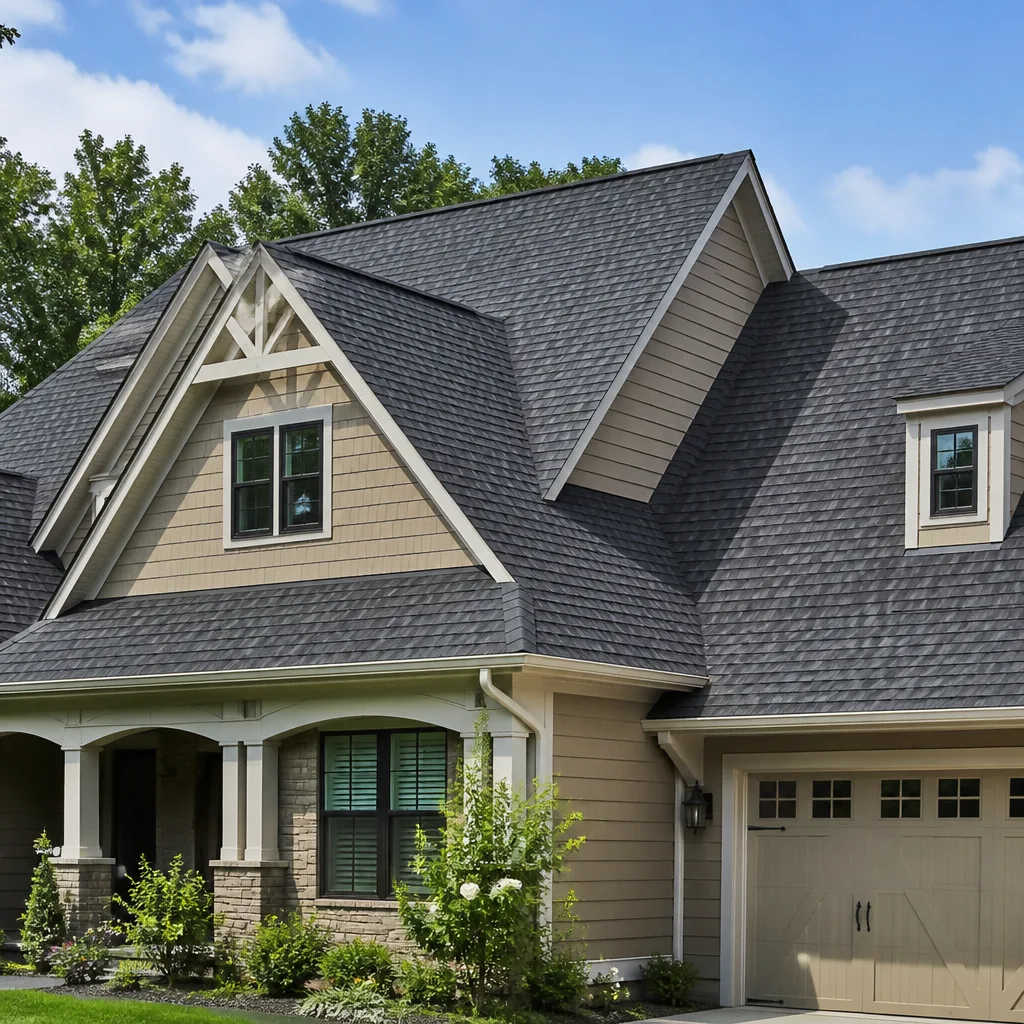
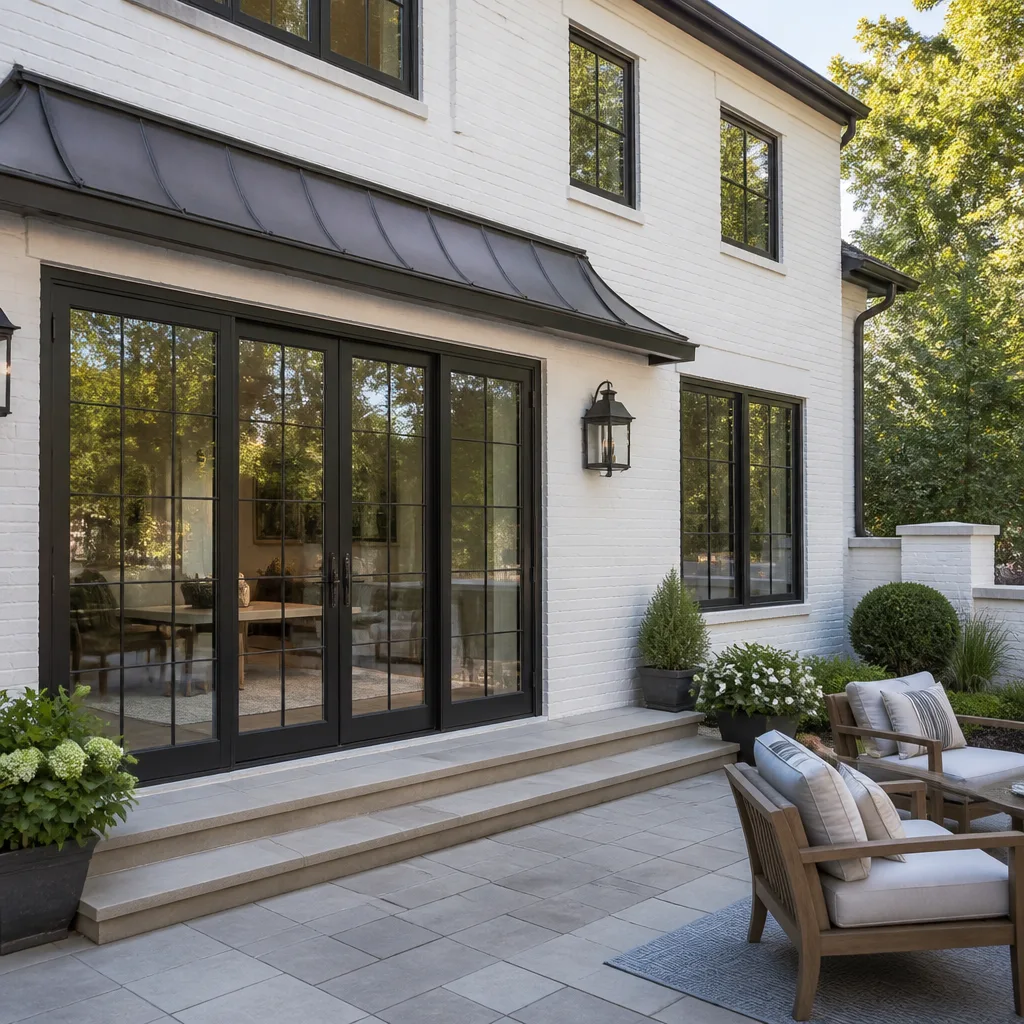
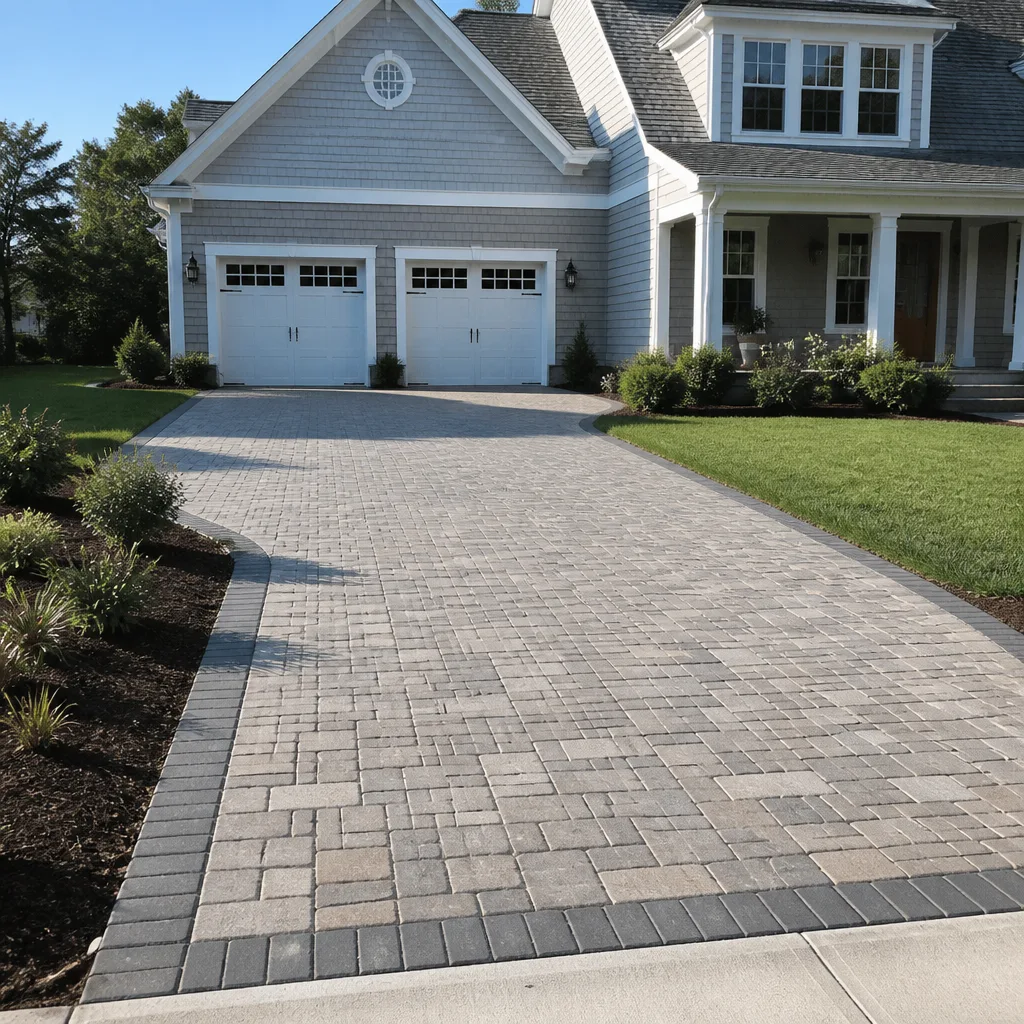
 Before
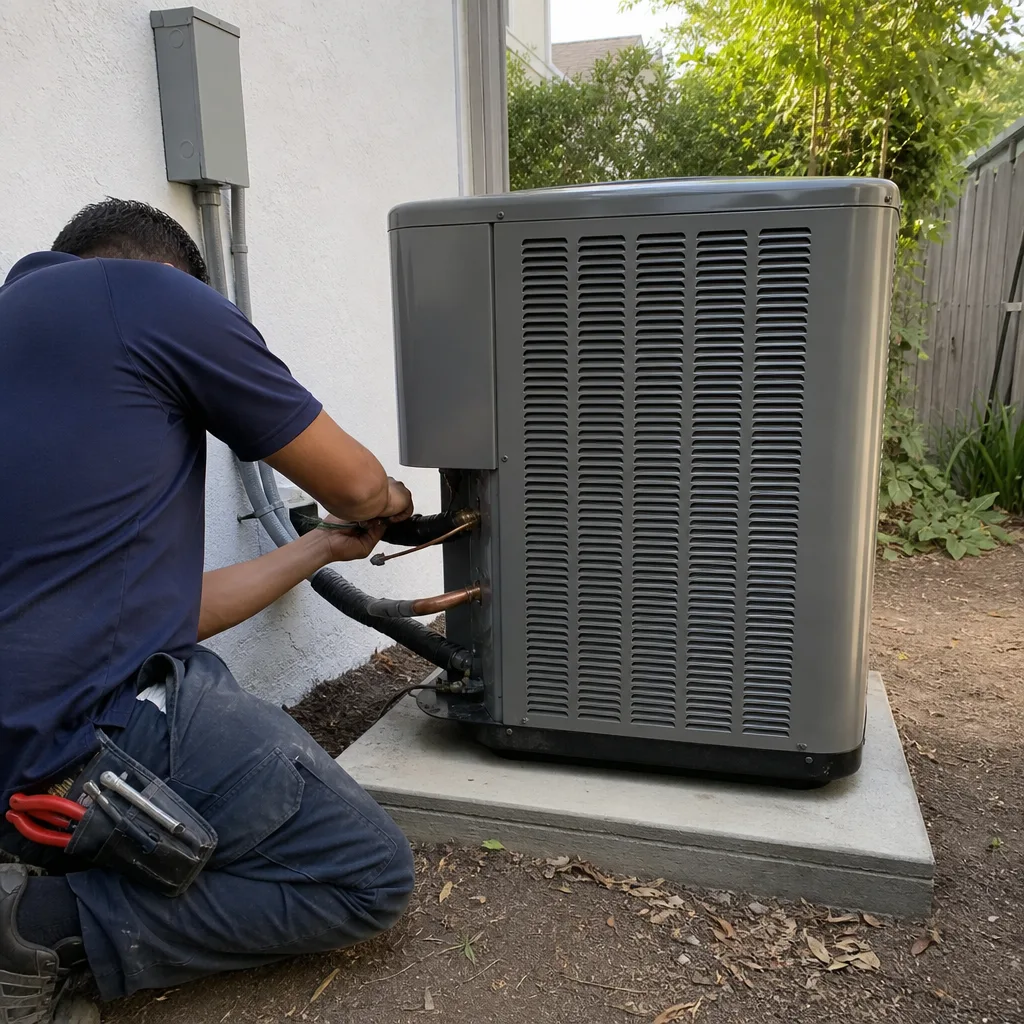 After
After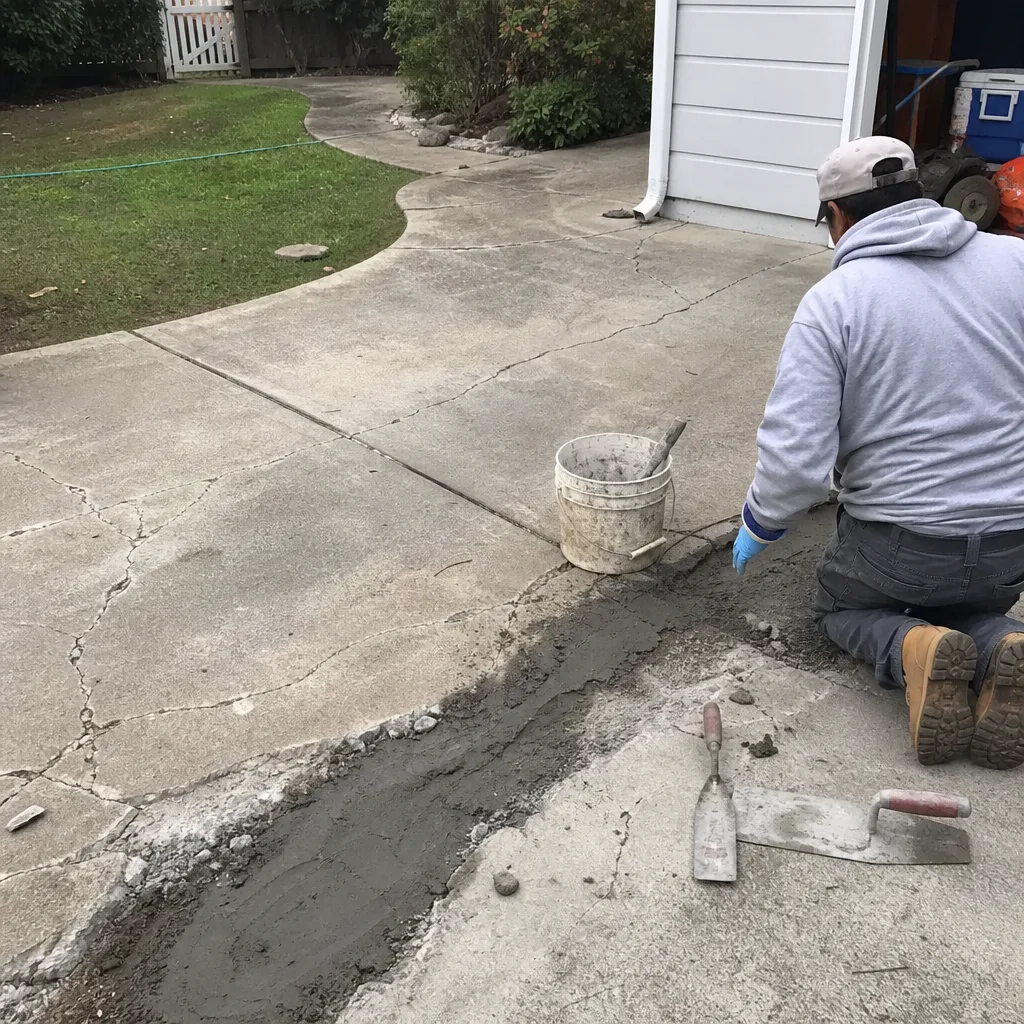 Before
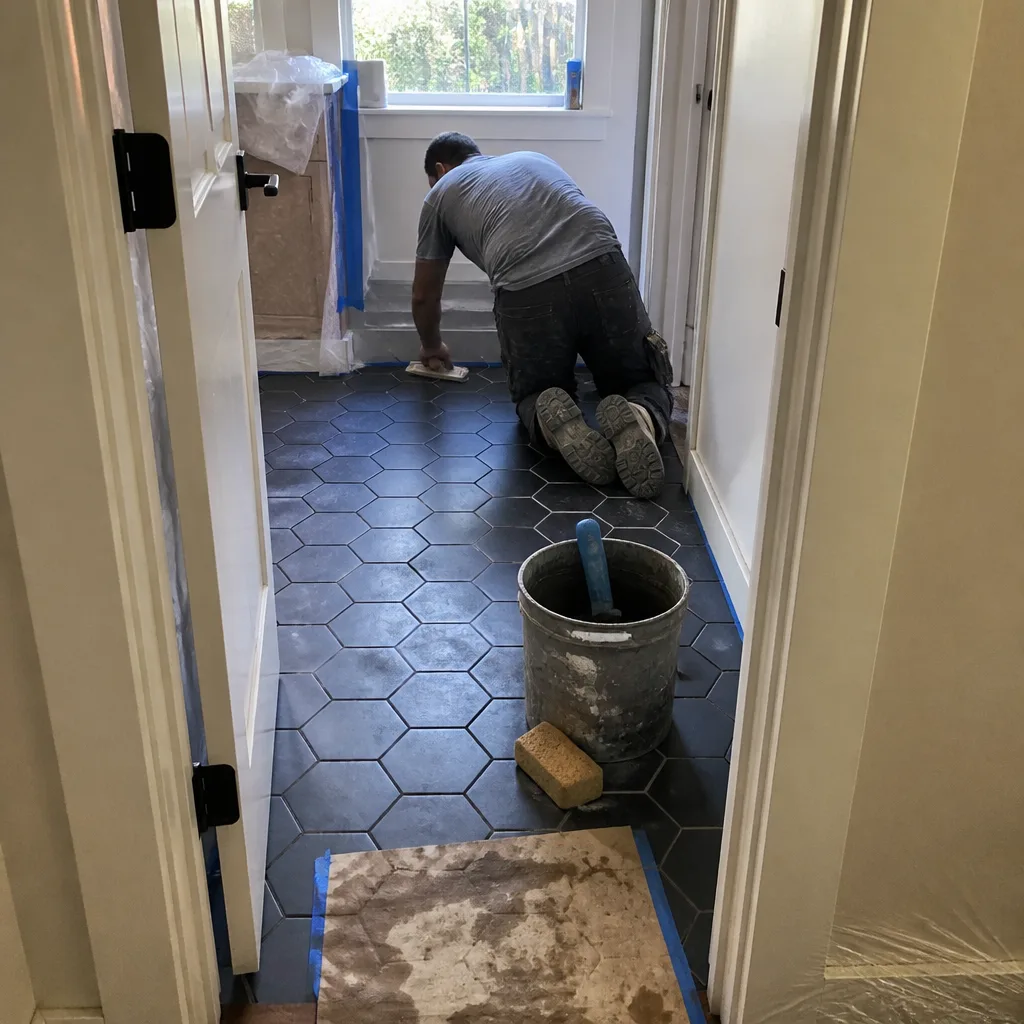 After
After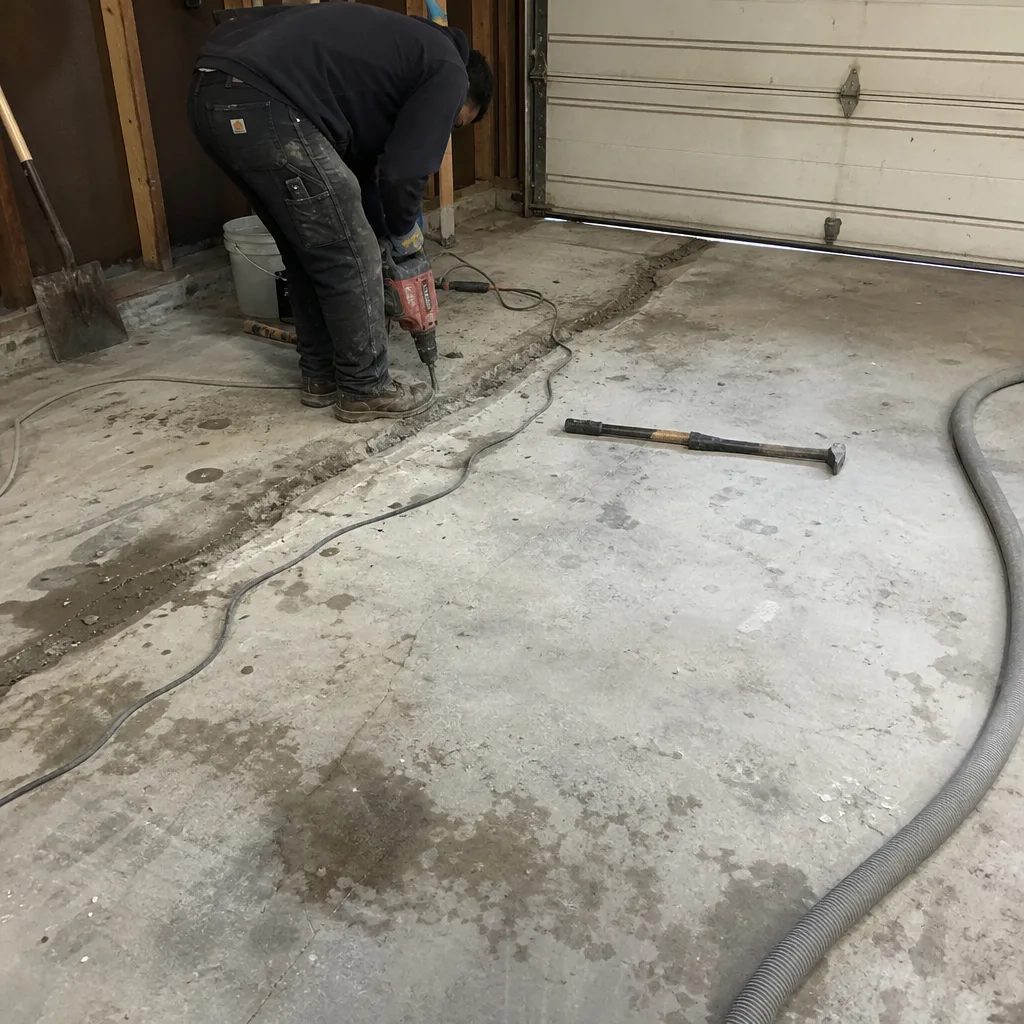 Before
 After
AfterQuikrete Home Additions & ADU: The Palo Alto Owner’s Guide
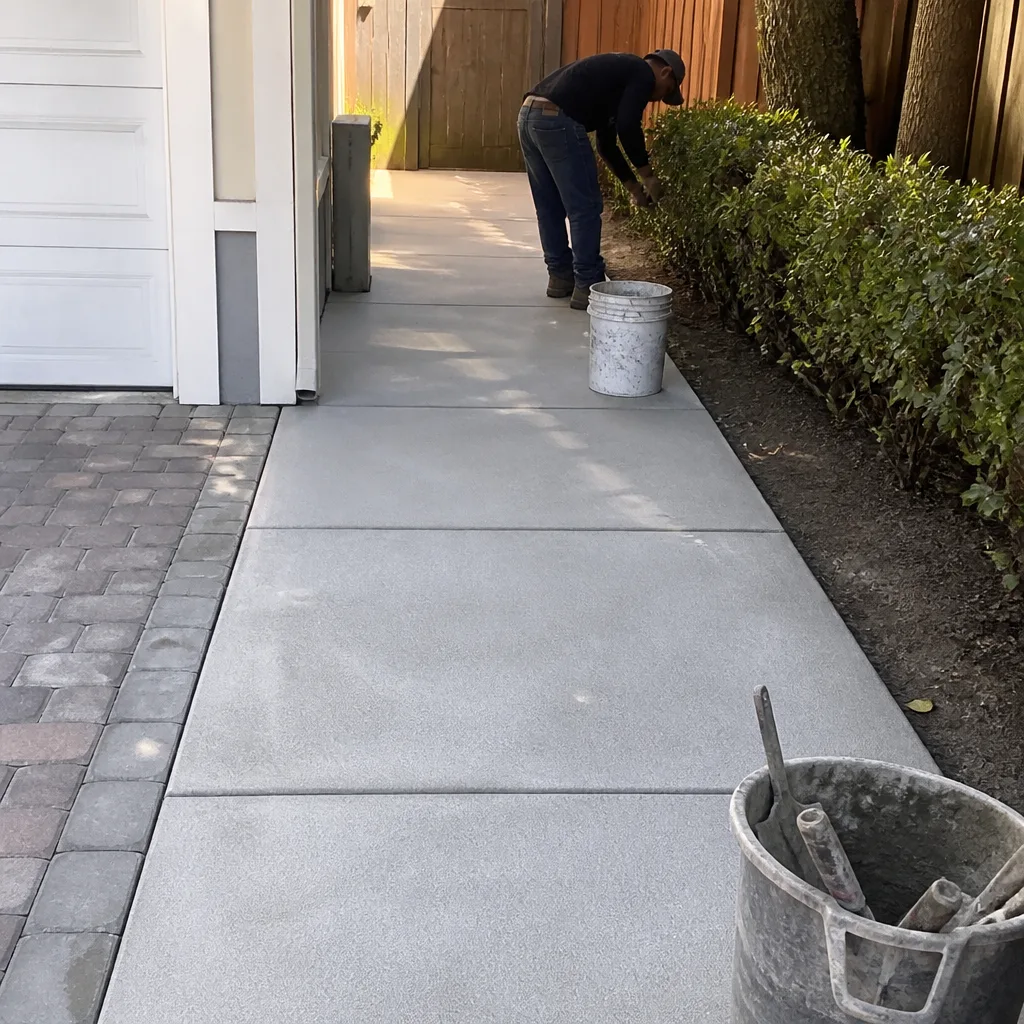
Quikrete concrete and masonry products are commonly specified for foundation work, slab pours, and exterior hardscaping in Palo Alto home additions and ADU projects, with installed pricing for these structures typically running $45,000-$130,000 for additions and $90,000-$220,000 for standalone ADUs. We stock and install Quikrete-compatible forming systems, rebar configurations, and finishing materials, with most material orders available same-day through our Palo Alto supply chain. Most owners discover a Quikrete-related failure during the finishing phase or within the first winter, when improper mix ratios or cold-joint placement show up as spalling, cracking, or water intrusion through the slab edge.
Which Quikrete Models This Applies To
Quikrete’s product line for residential construction breaks into three categories relevant to Palo Alto additions and ADUs: the standard gray concrete mix (typically 4000 PSI for footings and slabs), the crack-resistant blend with synthetic fibers for flatwork, and the countertop or specialty finishing mixes used for polished interior surfaces. The model distinction matters because the fiber-reinforced blend, SKU 1006-80 in the orange bag, requires a different float timing than standard mix - rush it and the fibers ball up on the surface, leaving a fuzzy finish that can’t be corrected without grinding.
We identify the right specification by checking the structural drawings for PSI requirements and exposure class. For ADU slabs in Palo Alto’s clay-heavy Barron Park and College Terrace areas, where seasonal expansion cycles are more aggressive, we typically spec the crack-resistant blend even when standard mix is called out on the plans. OEM Quikrete bagged product versus bulk delivery from a vetted ready-mix supplier is a cost and timing decision we walk through on the written quote. Measure twice, write it down, then we talk.
Signs Your Quikrete Home Additions & ADU Is Failing
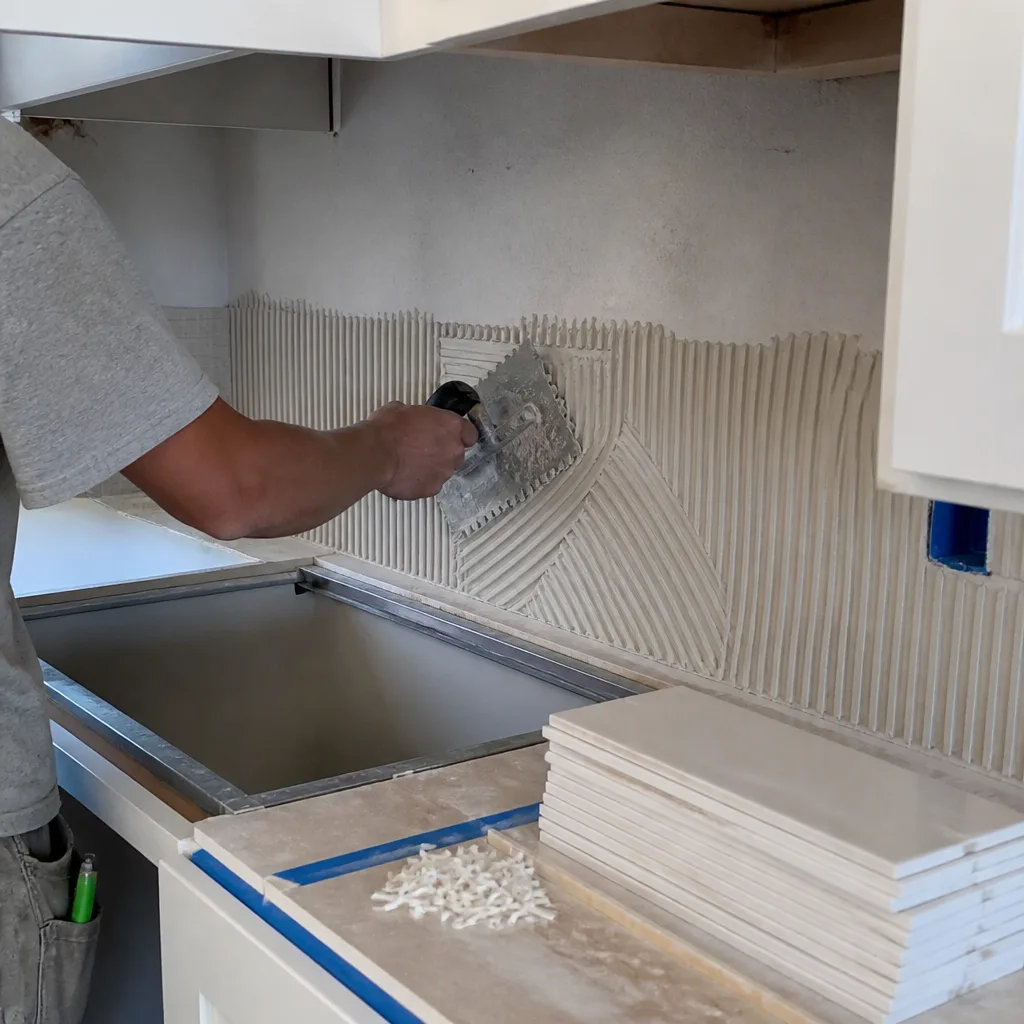
- Surface spalling or pop-outs - Small craters or flakes breaking off the finished surface, usually caused by freeze-thaw cycling where water entered porous areas during curing. In Palo Alto’s milder climate this points to a mix that was too wet at pour or inadequate curing coverage in the first 48 hours.
- Hairline cracks running parallel to foundation walls - These often trace to a cold joint, where a fresh pour met partially set concrete without proper bonding preparation. The seam becomes a water path during winter rains, and you’ll see efflorescence, that white powdery residue, before structural movement becomes obvious.
- Slab settlement or tilting near door thresholds - Indicates insufficient compaction of the native soil or imported base rock before the pour. Palo Alto’s old orchard soils in the south Palo Alto flats are particularly prone to this if the geotechnical prep was skipped or abbreviated.
- Moisture wicking through slab joints - Visible dampness or darkening along control joints after rain, meaning the vapor barrier beneath the slab was punctured or omitted. This is common in garage-to-ADU conversions where the original slab was never intended for living space.
- Corner cracking at re-entrant angles - L-shaped additions and ADUs with notched footprints develop stress concentration at inside corners; without properly placed control joints or steel reinforcement, the crack propagates from the corner inward within the first two years.
 Before
 After
AfterReplacement Cost & What’s Included
Repairing or replacing failed Quikrete elements in a Palo Alto home addition or ADU runs $45,000-$130,000 for full structure rework, with spot repairs like slab section replacement or joint rehabilitation starting around $8,000-$15,000 depending on access and finish matching. The range reflects three variables: whether we’re cutting and replacing a section or pouring new, the finish specification (broom, exposed aggregate, or polished), and whether the failure traced to a substrate issue requiring excavation and recompaction.
Our written quote itemizes concrete mix type, PSI, reinforcement schedule, forming lumber, and finishing labor as separate line items. Under Clause 1 of the Haven Standard, that price is fixed before any work starts; no change proceeds without a signed change order. The 365-Day Done Right Promise covers the repair, and every visit includes a documented photo record of substrate condition, pour placement, and cured finish.
DIY or Call Us?
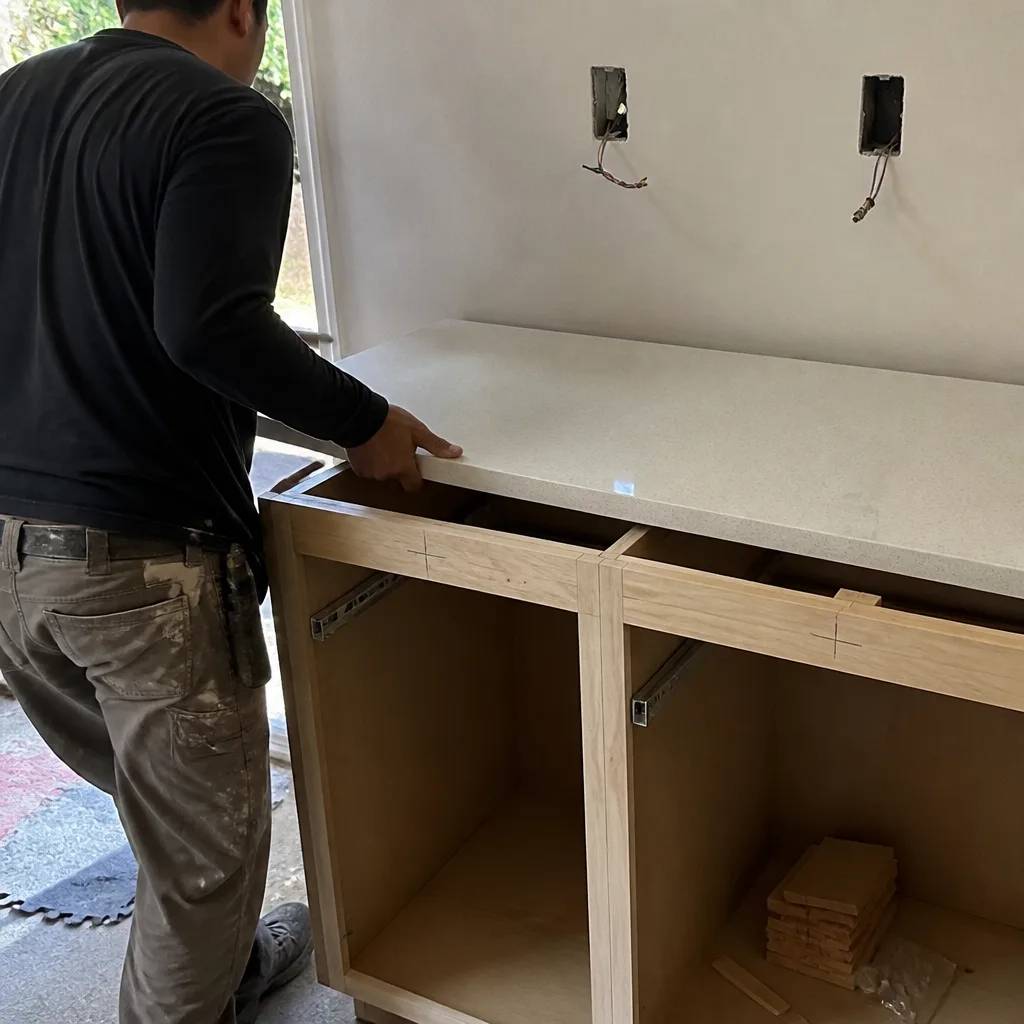
An owner can safely check for the symptoms above - measure crack width with a ruler, photograph spalling for comparison over time, and verify whether the original permit drawings match what was actually poured. What DIY cannot safely address is any repair involving load-bearing elements: cutting into a slab that supports framing, removing and replacing rebar, or repouring a structural footing without shoring the existing structure.
Concrete work carries genuine risk. A failed form blowout during a wall pour can injure anyone nearby; improper shoring of an existing structure during slab replacement can cause progressive collapse. We recommend a trained crew for anything beyond cosmetic surface repair. Call (650) 446-9092 to schedule your free estimate - we’ll review the failure, specify the fix, and put the number in writing before anyone picks up a tool.
FAQs
Properly mixed, placed, and cured Quikrete concrete should perform 50-plus years in Palo Alto’s climate, though ADU slabs with moisture barrier failures may show joint degradation in 10-15 years. The mild freeze-thaw exposure here is forgiving compared to mountain or Midwest climates, but the marine air layer in the flatlands near the bay accelerates surface carbonation. Call (650) 446-9092 for an exact quote on condition assessment - estimates are free.
Hairline cracks under 1/8 inch can be epoxy-injected and perform adequately for non-structural slabs; cracks wider than that, or any crack with vertical displacement, indicate slab movement that injection won’t stabilize. We assess whether the crack is active, measure differential settlement, and specify either injection, partial replacement, or full slab removal based on what we find. Call (650) 446-9092 for an exact quote - estimates are free.
Demolition and replacement of a 400-square-foot ADU slab typically runs 5-7 working days: one day for removal and substrate prep, one day for forming and inspection, one day for pour and initial cure, and the remainder for controlled curing before load-bearing construction resumes. Finish flooring cannot be placed until the slab reaches acceptable moisture vapor emission, which we test and document. Call (650) 446-9092 for an exact quote - estimates are free.
We stock forming hardware, rebar, and finishing tools on every Palo Alto crew truck; bagged Quikrete product is pulled same-day from our local supply partner to ensure fresh mix and correct specification rather than weathered inventory. For volume pours we arrange bulk ready-mix delivery with documented batch tickets showing slump, air content, and PSI at the plant. Call (650) 446-9092 for an exact quote - estimates are free.
Written by Grant Rowan, Owner, Rowan Construction Group Palo Alto at Rowan Construction Group Palo Alto, serving Palo Alto and nearby areas.