
Free written scope consultation - allowances, timeline, and change-order rules on paper before a single trade is scheduled



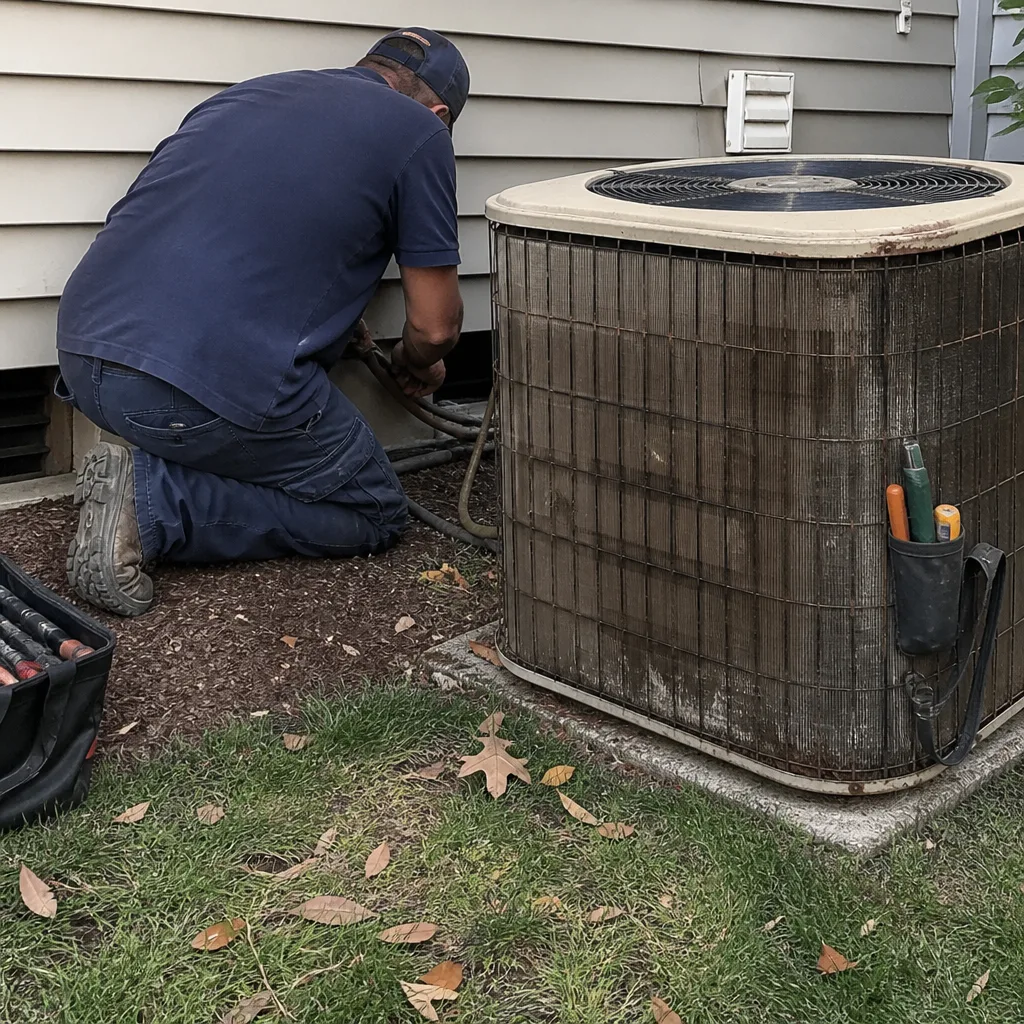 Before
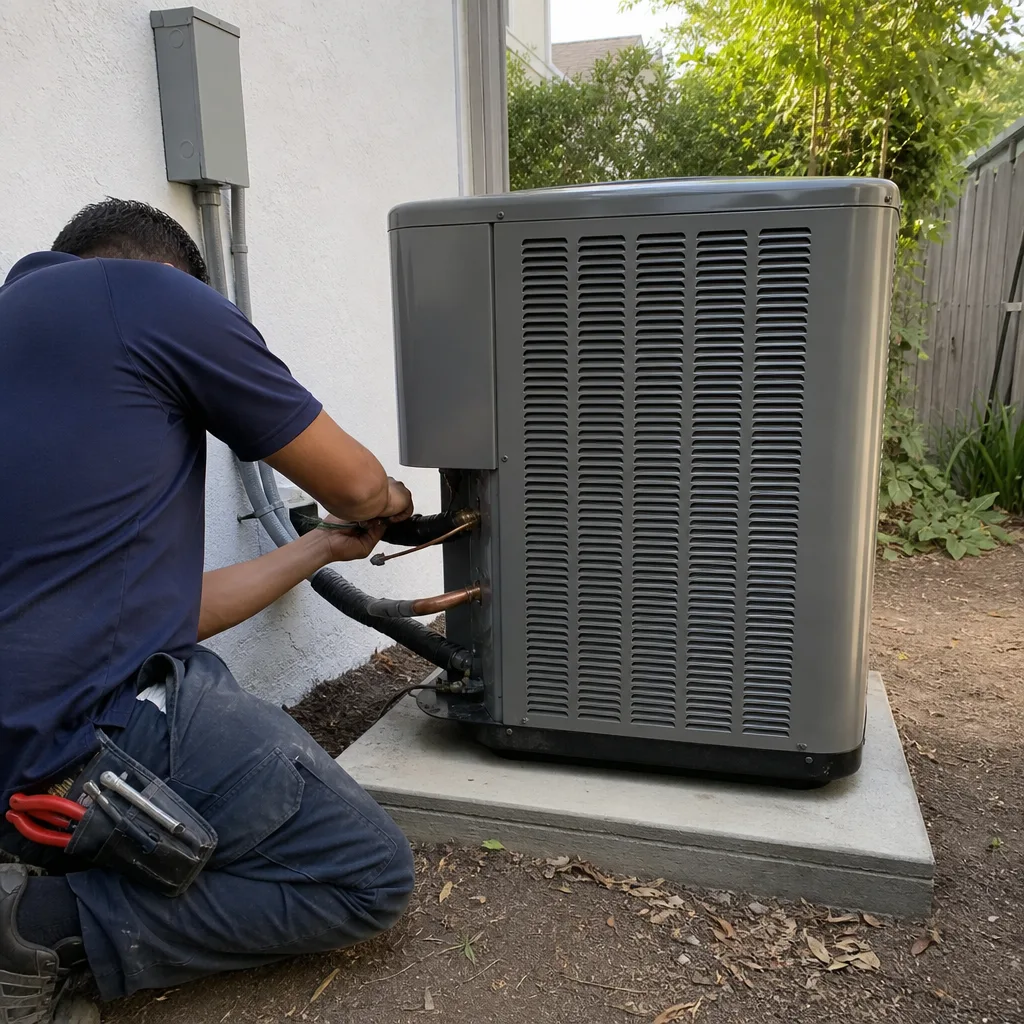 After
After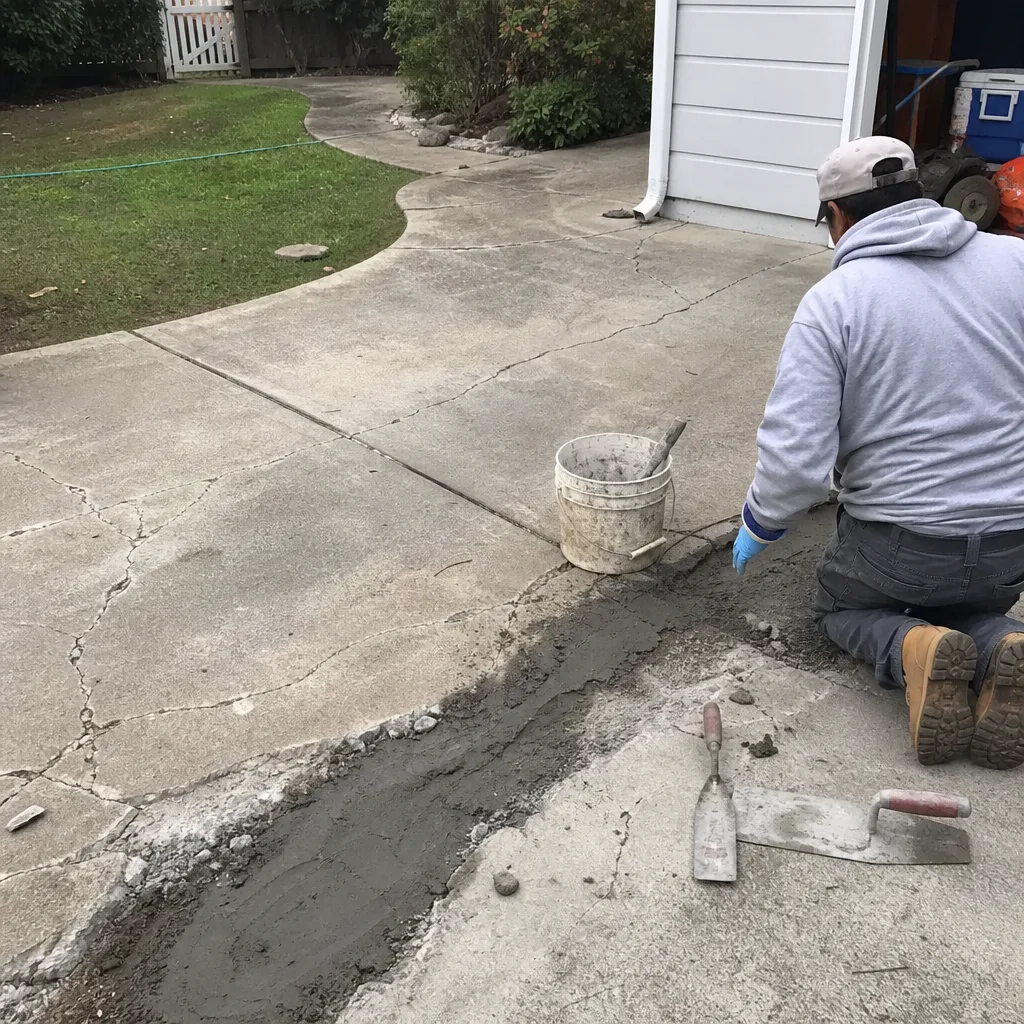 Before
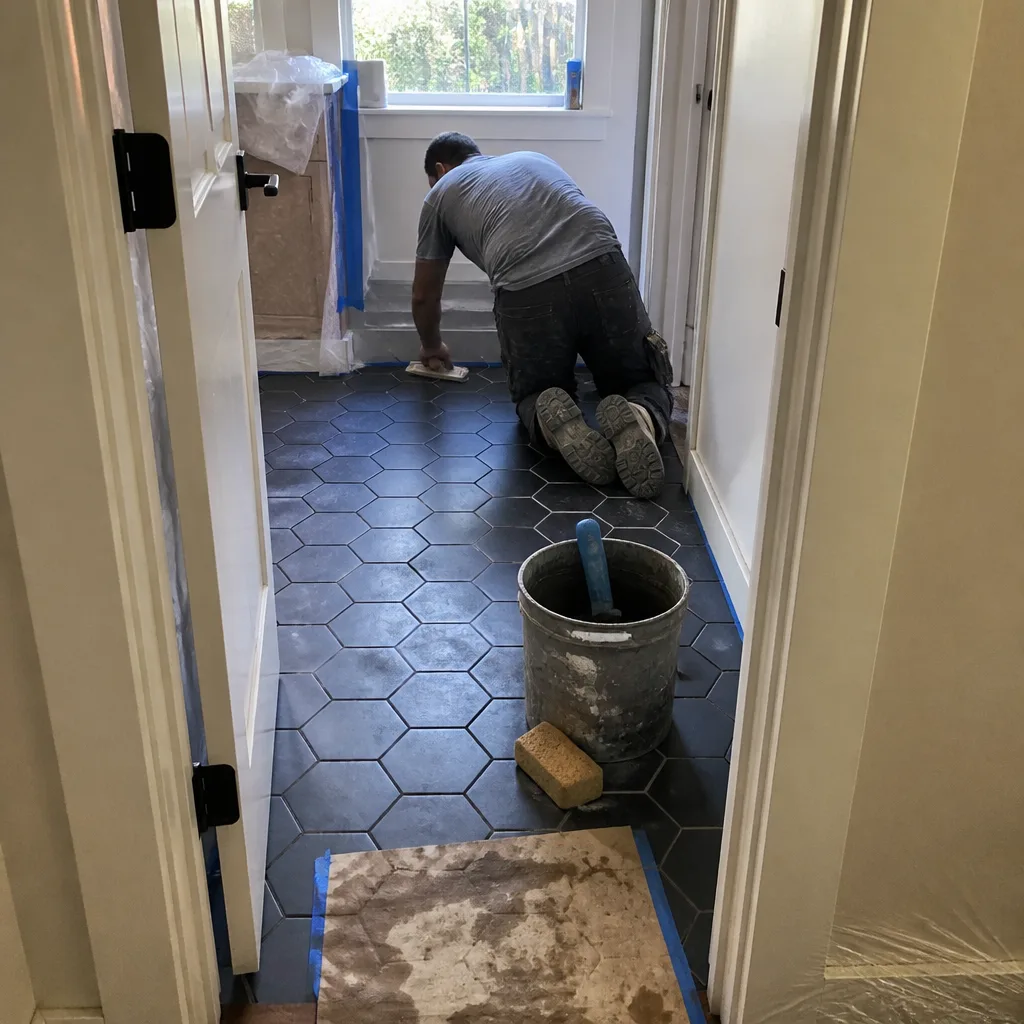 After
After Before
 After
AfterTherma-Tru Roofing: The Palo Alto Owner’s Guide
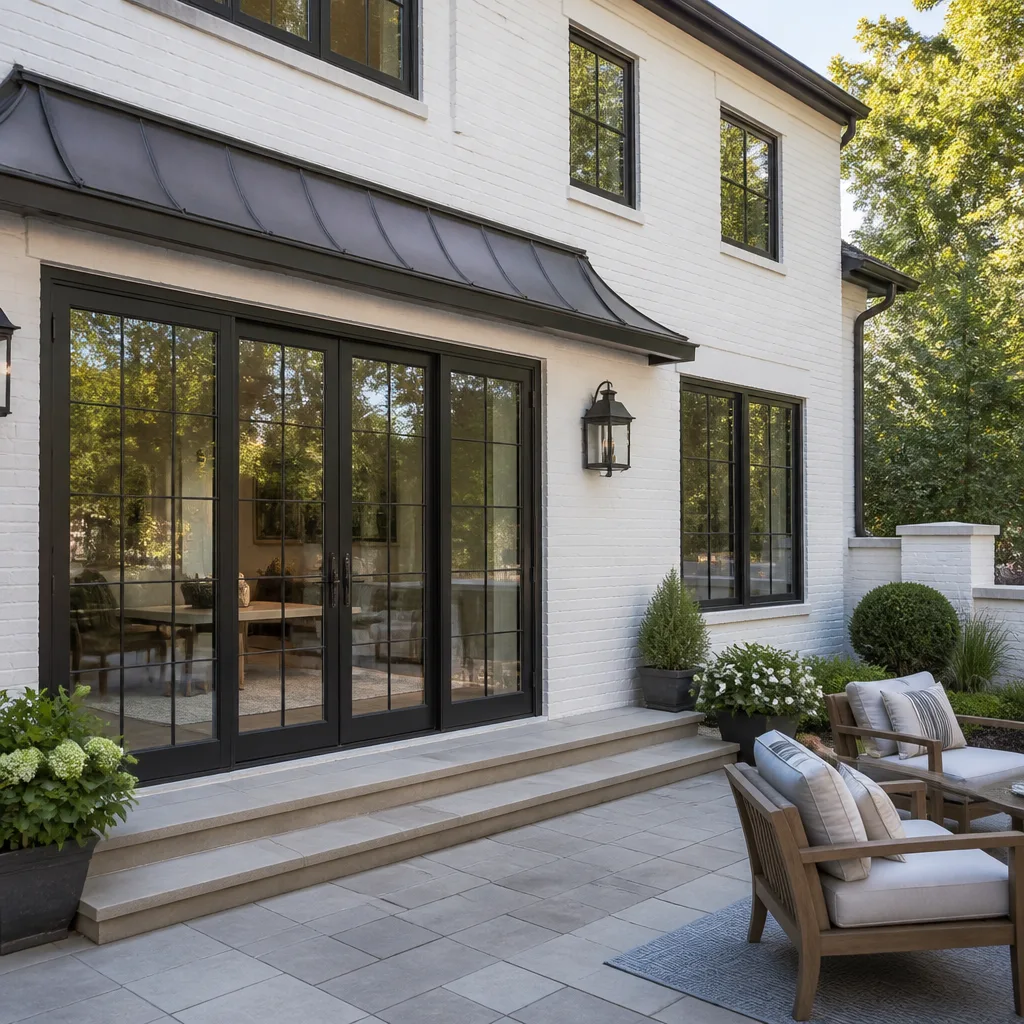
Therma-Tru does not manufacture roofing materials. They make entry doors, patio doors, and door systems. If you’re searching for “Therma-Tru roofing,” you’re likely dealing with a door component failure that’s letting water into your roof assembly, or a previous contractor mislabeled the job. In Palo Alto, we see this confusion most often with Therma-Tru door thresholds, sill pans, and flashing kits that fail and cause roof-adjacent leaks around dormers, covered entries, and second-floor decks. Typical repair runs $400-$1,800 depending on how far the water traveled. We stock Therma-Tru-compatible sill pans and flashing on our Palo Alto trucks, and most door-to-roof interface repairs finish same day.
Homeowners usually catch this after a hard rain: water stains on the ceiling near a door opening, soft drywall below a deck door, or visible gaps where the door frame meets the roofline flashing. The part that failed is rarely visible without pulling trim.
Which Therma-Tru Models This Applies To
The leak source is almost always one of three Therma-Tru components, and identifying the right replacement means reading the door’s etch mark, not guessing from the outside.
Classic-Craft and Fiber-Classic Series: These use a composite frame with an integrated composite sill. The OEM sill pan (part numbers vary by width, typically 32″, 36″, or 72″ for double doors) is a thermoplastic pan with a built-in back dam. Aftermarket pans from Endura or Pemko fit, but the back dam height must match exactly, 1/2 inch on most Therma-Tru units, or water overtopping becomes a certainty in Palo Alto’s winter-driven rain patterns.
Smooth-Star and Pulse Series: These steel-edge and fiberglass-edge doors use an aluminum sill with a replaceable cap and a separate sub-sill pan. The cap is easy to swap; the pan beneath it is not. The pan sits under the frame and extends to the exterior, where it should lap over the roof or deck membrane. If the original installer skipped the pan or used caulk instead, we find rot in the subfloor within three to five years.
Double-Door and Sidelite Configurations: These require a mull post with integrated flashing. The mull post cap is the failure point; water enters the post cavity, runs down, and exits where the post meets the roof deck. OEM mull caps are textured to match the door skin, so aftermarket caps often look wrong even if they function.
Rowan Construction Group Palo Alto is an independent service provider, not affiliated with Therma-Tru. We source OEM parts through Therma-Tru’s distributor network and keep common sill pans and flashing kits on hand to avoid the two-week order delay.
Signs Your Therma-Tru Door-to-Roof Interface Is Failing
- Water stains on the ceiling directly below a door. The stain shape matters: a long, narrow stain following a joist line usually means water is traveling inside the wall from a failed sill pan, not through the roof membrane itself. In Palo Alto’s clay-heavy soils, foundation settling can crack the pan-to-frame seal and accelerate this.
- Soft or discolored drywall at the base of an interior door frame. This indicates the back dam is breached or the pan was never installed. The drywall wicks water upward, so the damage you see is often half the height of the actual moisture intrusion.
- Visible rust on steel door frames or hinge screws. Therma-Tru’s steel-edge frames are galvanized, but constant moisture from a leaking pan overwhelms the coating. Rust at the bottom hinge is a tell; the hinge sits in the wettest zone.
- Gaps between exterior trim and the door frame. Caulk failure is common, but if the gap opens and closes with temperature swings, the underlying sill or pan has rotted and the frame is moving. This is past the point of caulk repair.
- Musty odor after rain, no visible stain yet. The pan is holding water in the subfloor cavity. In Palo Alto’s mild climate, mold colonizes within 48 to 72 hours of saturation. By the time you smell it, the subfloor is compromised.
 Before
 After
AfterReplacement Cost & What’s Included
Door-to-roof leak repair in Palo Alto falls under our standard roof repair range of $400-$1,800. The spread depends on what we find when the trim comes off.
| Scope | Typical Range |
|---|---|
| Sill pan replacement, single door, no subfloor damage | $400-$750 |
| Sill pan + cap + frame seal, subfloor sound | $750-$1,200 |
| Full frame reset, subfloor repair, trim replacement | $1,200-$1,800 |
What drives the number: door width (double doors need wider pans and more labor), whether the original pan was installed at all (absence means we cut into finished flooring), and how far water traveled into the roof assembly. We quote a flat price before cutting anything. Under Clause 1 of the Haven Standard, that price is written, line-itemed, and fixed. No change order gets signed unless you request additional work. The 365-Day Done Right Promise covers the repair; if water returns through our work, we make it right.
Every repair includes a documented photo record, standard, not optional. You’ll see the failed part, the cavity condition, and the installed replacement.
DIY or Call Us?
What you can safely check: kneel at the door and look for daylight between the sill and the frame, or between the sill and the exterior trim. Shine a flashlight across the sill surface; standing water or staining indicates poor drainage. These checks cost nothing and tell you if the problem is active.
Where DIY goes wrong: removing a Therma-Tru sill pan requires supporting the door frame while the pan slides out. The frame is structural; if it drops, the door binds permanently. Cutting the wrong fastener voids the door warranty. And the pan must lap correctly over the roof or deck membrane, a detail most homeowners miss until the next rain. We’ve re-repaired three Palo Alto jobs this year where the owner installed the pan backward, dam facing out.
Call (650) 446-9092 and we’ll schedule a free estimate. Measure twice, write it down, then we talk.
FAQs
Composite pans typically last 15 to 20 years; aluminum pans 20 to 25. The failure point is almost always the sealant joint, not the pan itself. Palo Alto’s wet winters and dry summers cycle the caulk until it cracks, usually around year 12. Call (650) 446-9092 for an exact quote on replacement, estimates are free.
No. Once a sill pan leaks, the back dam or end dam is compromised, and these are molded features, not separate pieces. Caulk over the crack is a temporary patch at best. We replace the pan and reseal the frame to the rough opening with a compatible sealant, SikaFlex or equivalent. Call (650) 446-9092 for an exact quote, estimates are free.
Most single-door sill pan replacements finish in four to six hours. Double doors or jobs requiring subfloor repair take a full day. We stock common pan sizes on our Palo Alto trucks, so scheduling is the only delay. Call (650) 446-9092 to book.
We stock Therma-Tru-compatible sill pans, flashing kits, and sealants in 32″, 36″, and 72″ widths. Mull post caps and specialty textured trims we order from Therma-Tru’s distributor, typically two business days. For standard repairs, we carry what we need. Call (650) 446-9092 to confirm availability for your door size.
Ready to stop the leak? Call (650) 446-9092 to schedule your free estimate. We’ll bring the right Therma-Tru-compatible parts, quote a flat price before any work starts, and leave you with a written warranty and a photo record of the repair.
Written by Grant Rowan, Owner, Rowan Construction Group Palo Alto at Rowan Construction Group Palo Alto, serving Palo Alto and nearby areas.