
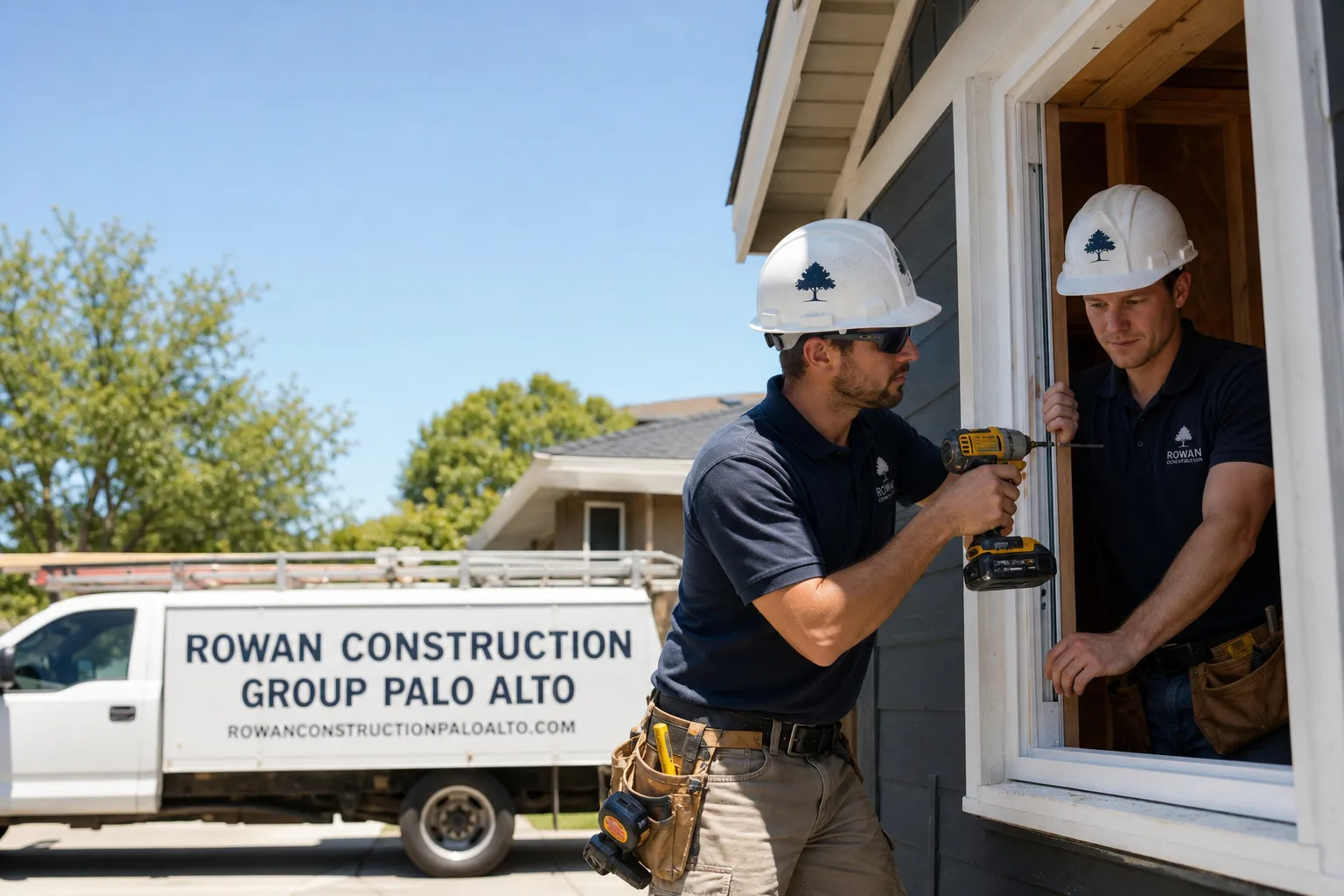
Free written scope consultation - allowances, timeline, and change-order rules on paper before a single trade is scheduled
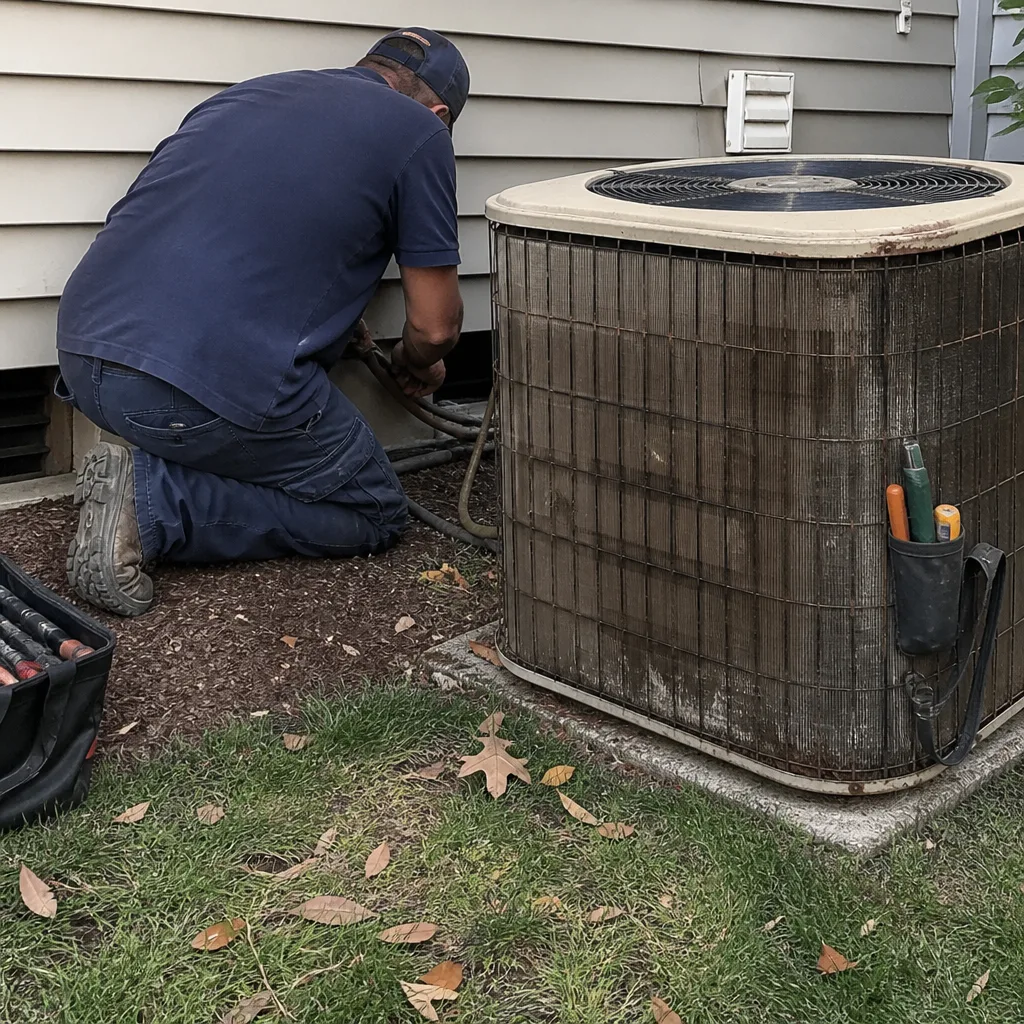 Before
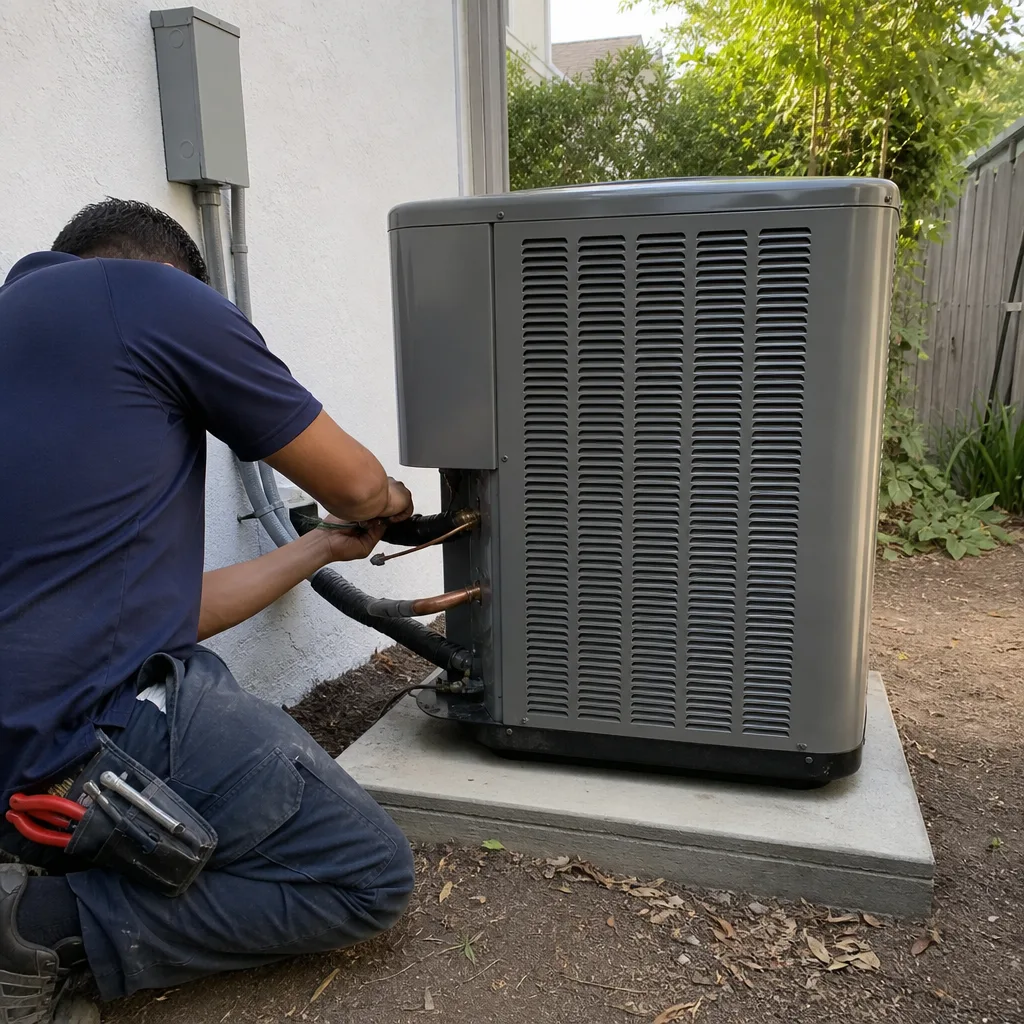 After
After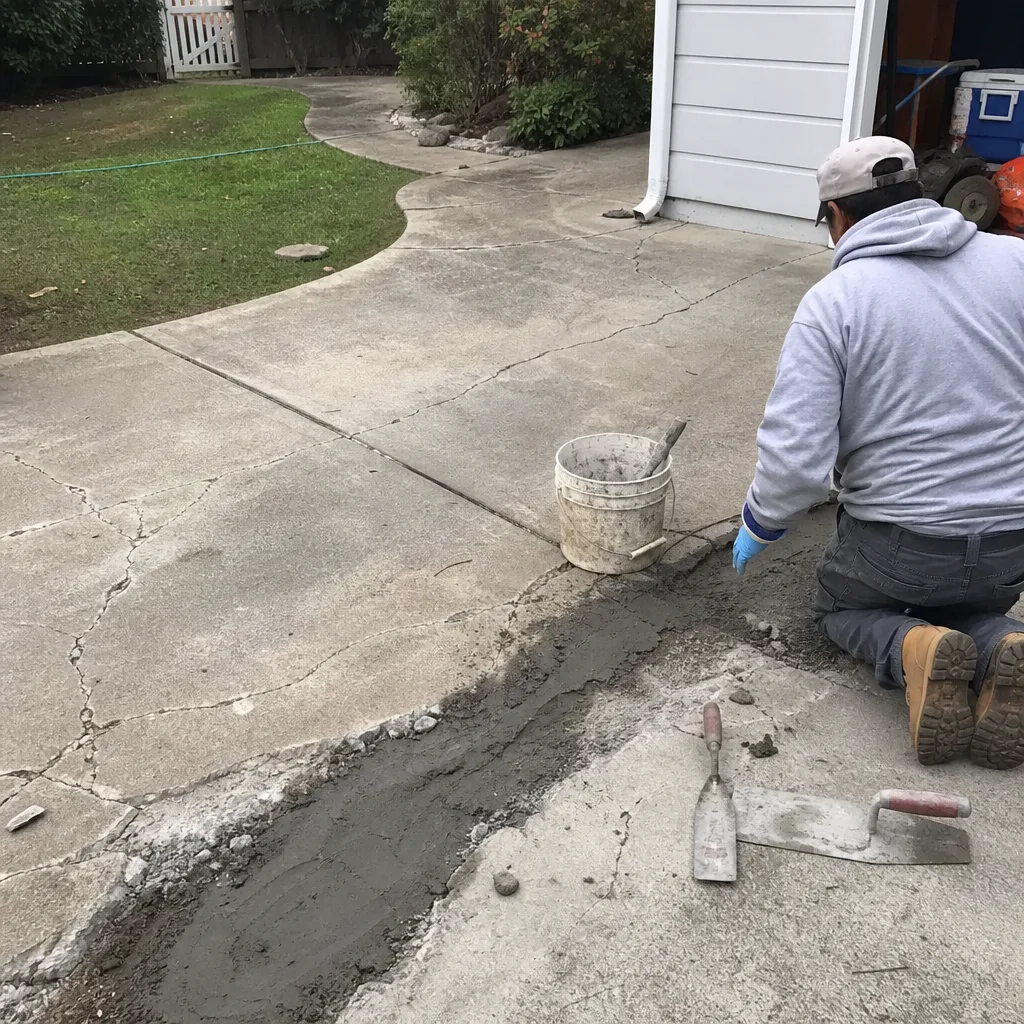 Before
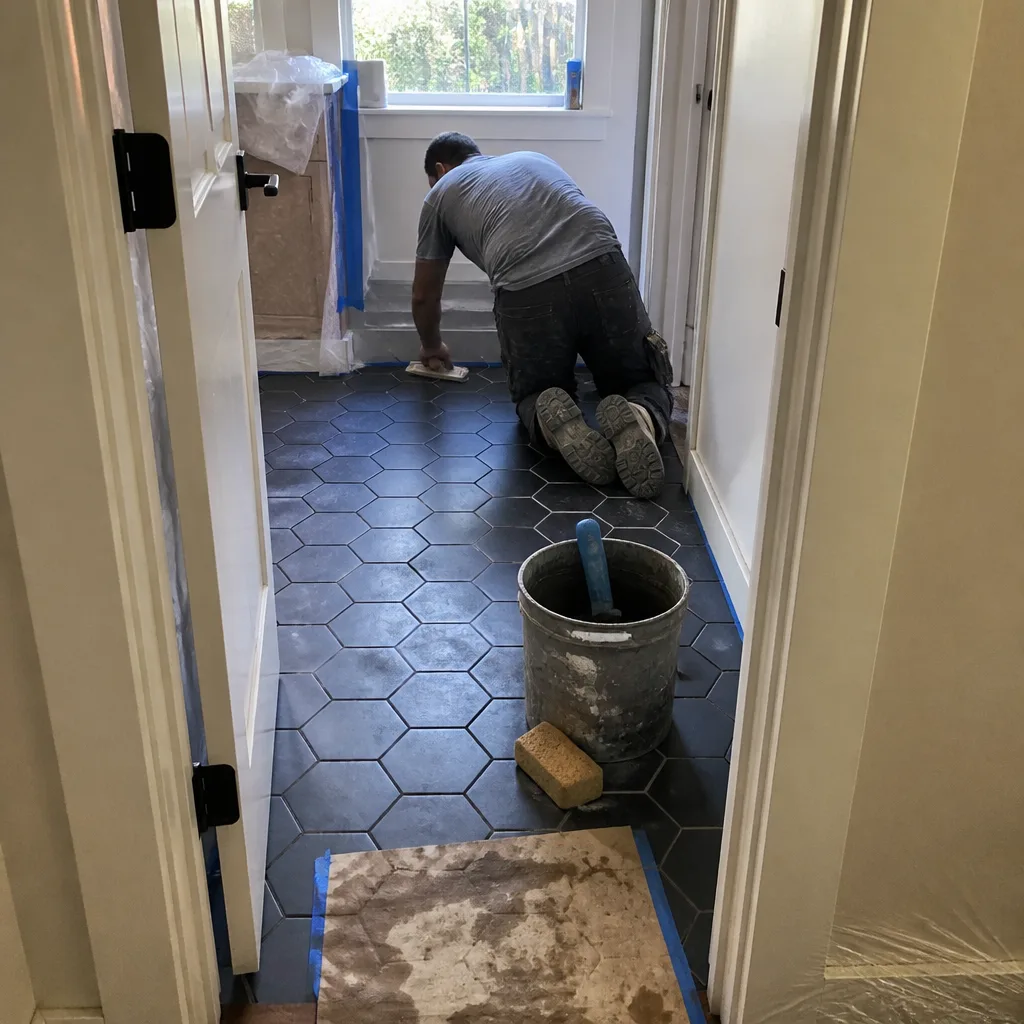 After
After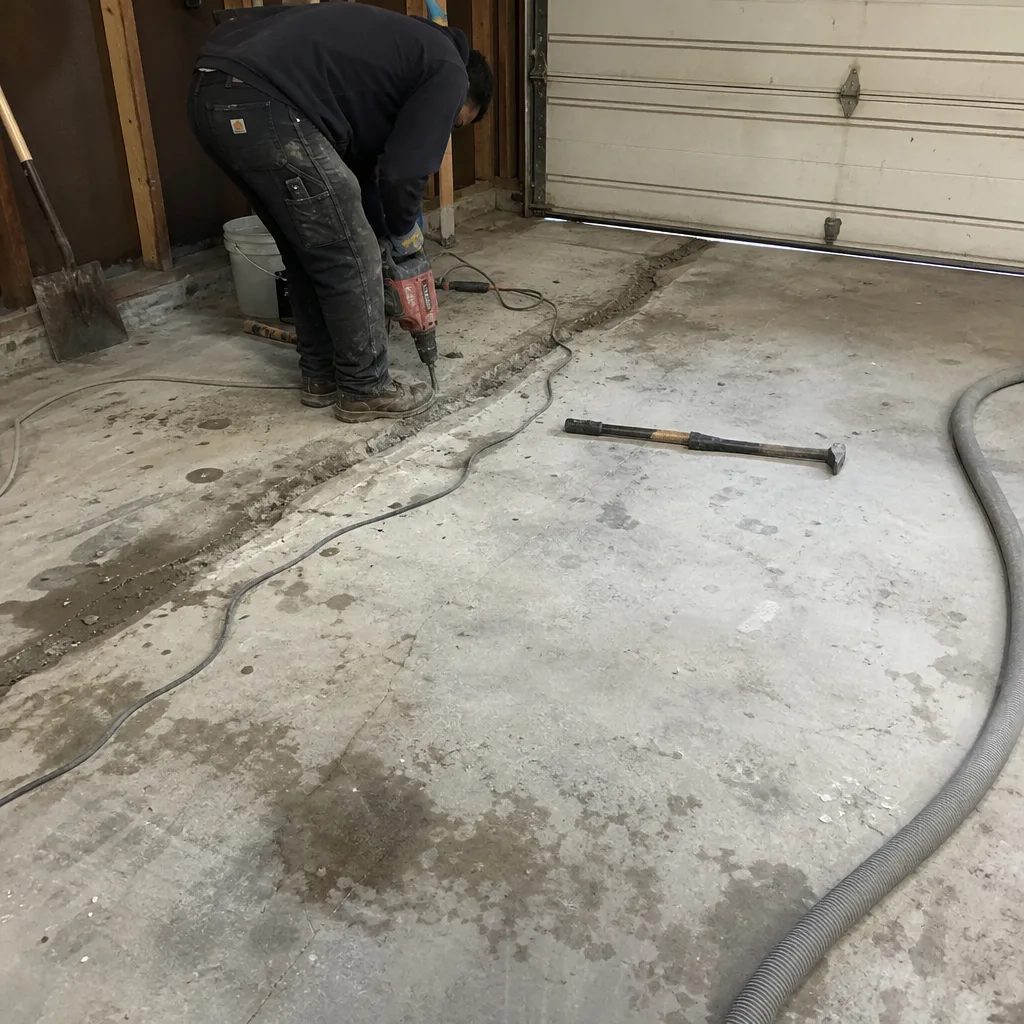 Before
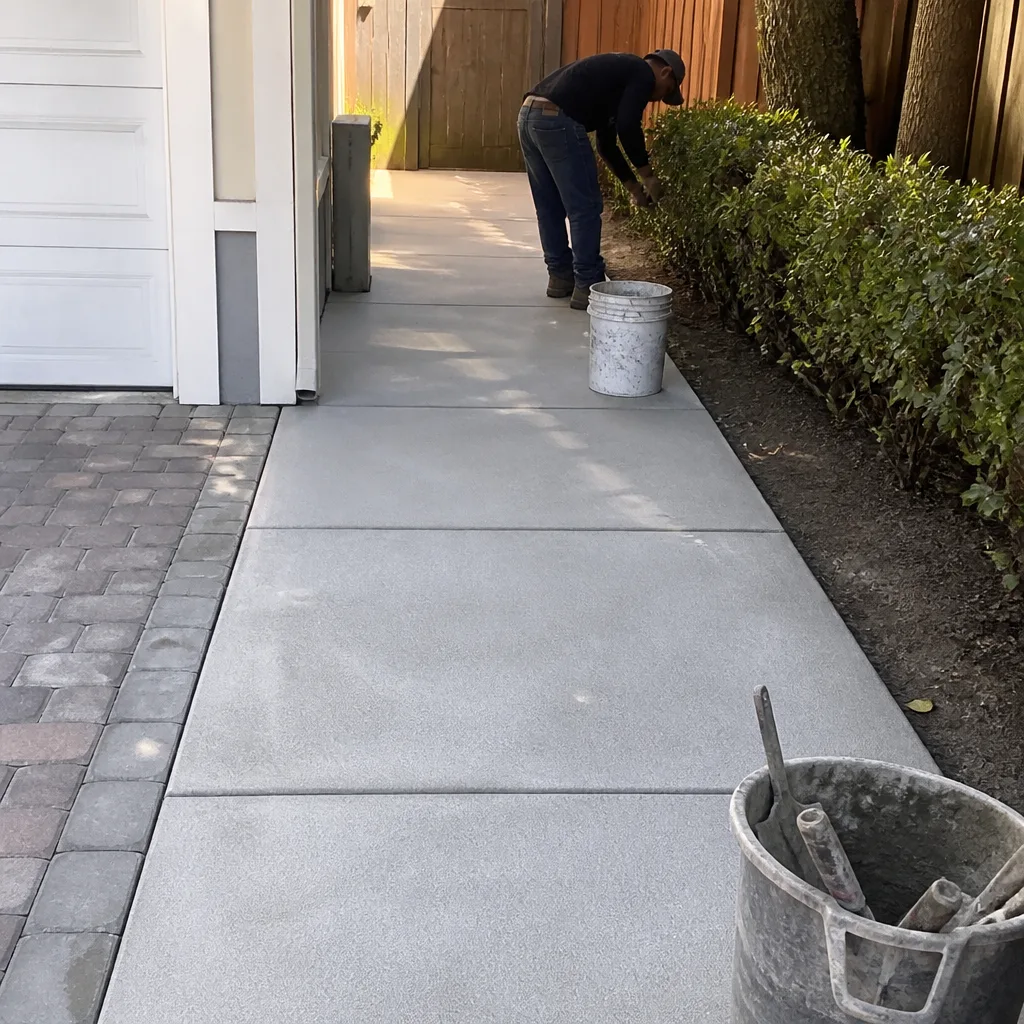 After
AfterHow Much Does Metal Roof Installation Cost in Palo Alto?
Metal roof installation in Palo Alto typically costs between $15,000 and $40,000 for a standard single-family home, with most projects landing in the $20,000-$30,000 range depending on roof size, panel profile, and substrate condition. Labor runs higher here than the national average – Peninsula contractors carry Bay Area wages, and Palo Alto’s permit process adds a step that affects scheduling. Most jobs are completed in three to five days once permits are in hand.
Metal Roof Installation Cost Breakdown (2026)
Metal roof installation in Palo Alto costs between $15,000 and $40,000 for most single-family homes. The wide spread reflects genuine variables: a 1,400-square-foot simple gable in Old Palo Alto with a single shingle layer underneath prices out very differently from a 2,800-square-foot multi-pitch custom in Crescent Park with aged shake and corroded flashing to strip. Below is a line-item view of where the money goes.
| Cost Component | Typical Range (Palo Alto, 2026) | Notes |
|---|---|---|
| Standing-seam metal panels (materials) | $6,000 - $18,000 | Galvalume steel at the low end; Kynar-coated steel or aluminum mid-range; copper or zinc at the top |
| Corrugated / exposed-fastener panels (materials) | $4,500 - $10,000 | Faster to install; lower material cost; less appropriate for low-slope sections |
| Tear-off and disposal (existing roof) | $1,200 - $3,800 | One shingle layer on the lower end; shake or tile tear-off adds cost and crew time |
| Deck inspection and sheathing repair | $400 - $2,500 | Bay Area fog and marine air from the Bay makes sheathing rot more common than in inland markets |
| Underlayment (synthetic or self-adhering) | $600 - $1,400 | Self-adhering membrane adds cost but is the correct spec under standing seam on lower pitches |
| Flashing, trim, and ridge cap | $800 - $2,200 | Custom-formed metal flashing at chimneys, skylights, and dormers; Palo Alto homes from the 1950s-1970s often have multiple penetrations |
| Gutters (if replaced during project) | $900 - $2,800 | Often replaced simultaneously since the fascia is already exposed; aluminum seamless or copper to match panel choice |
| City of Palo Alto building permit | $350 - $900 | Required for full replacement; Palo Alto’s Development Services Center processes residential roofing permits; plan for one to two weeks |
| Labor (installation) | $4,500 - $10,000 | Bay Area prevailing wages; standing seam requires more skill and time than exposed-fastener systems |
The single biggest swing factor at the materials level is panel profile. Standing-seam panels – where the fastener is hidden beneath the raised seam and never exposed to weather – cost more per square than corrugated or ribbed panels, but they carry longer finish warranties and perform better on pitches below 4:12, which describes a meaningful share of Palo Alto’s mid-century ranch and Eichler-adjacent homes. On a 2,000-square-foot Eichler with a near-flat roof in the Fairmeadow neighborhood, the correct spec is almost always standing seam with a self-adhering underlayment, and that combination puts the project toward the higher end of the range. A steep 6:12 traditional gable on a 1,500-square-foot home in Midtown can use an exposed-fastener system and come in closer to $15,000.
Substrate condition is the variable that surprises homeowners most. We photograph the deck after tear-off on every project – that’s part of the documented photo record Rowan provides as standard, not an add-on. When we find soft spots, we write a change order before touching a panel, and the customer signs before any additional work starts. That process, described under the Haven Standard, is what keeps final costs within a few percent of the agreed number across a 4,000-plus project history.
What Affects Metal Roof Installation Pricing in Palo Alto
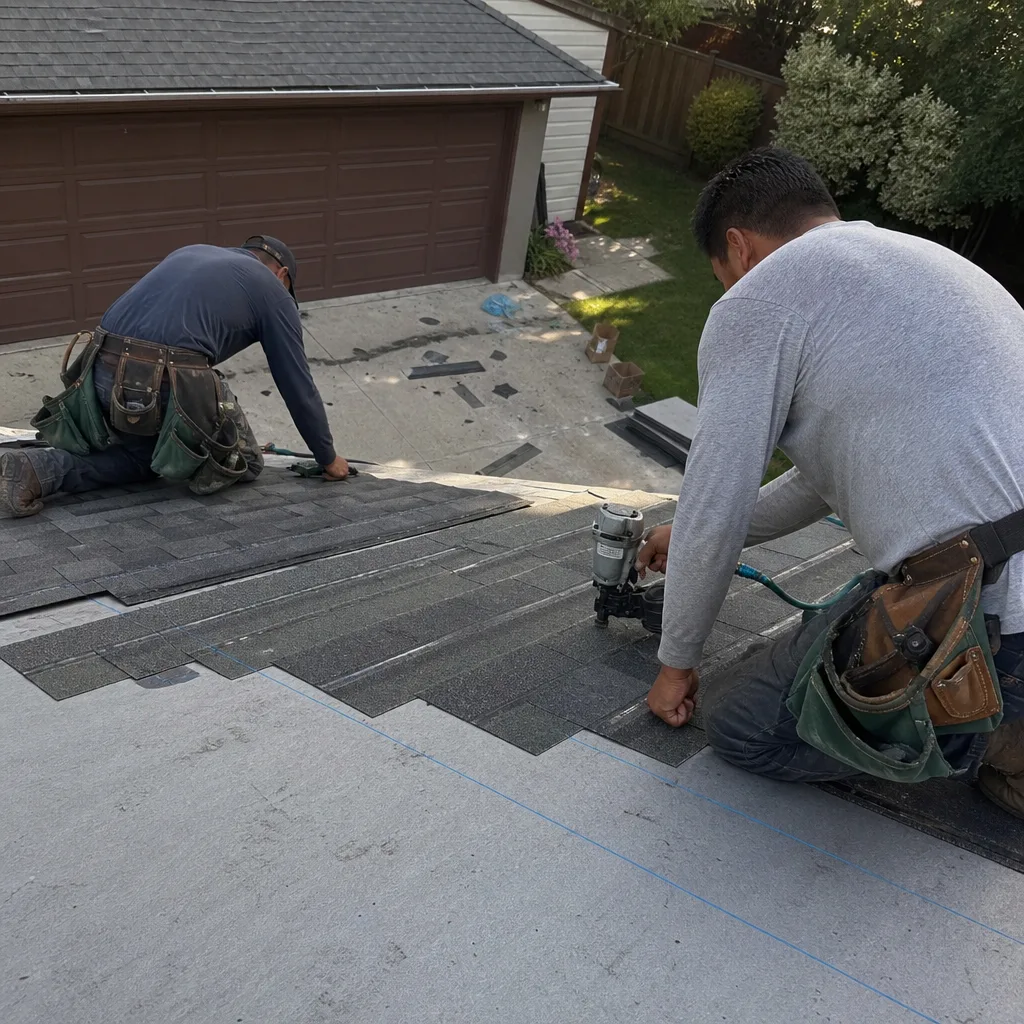
- Roof size and pitch. Roofing contractors price by the square (100 square feet). A 1,600-square-foot footprint at a steep 8:12 pitch might have 2,000 or more squares of actual surface once slope is calculated. Steeper pitches also require more staging time and safety equipment, which adds labor hours. Palo Alto’s Eichler homes present the opposite problem: very low slope over large footprints, which demands a high-performance underlayment and careful seam design to prevent any water ingress.
- Panel profile and metal species. Galvalume steel is the most common and least expensive substrate – durable, widely stocked, and appropriate for most Peninsula homes. Aluminum is 40 percent lighter and worth considering if your attic framing is older and the inspector flags load concerns. Copper and zinc are the premium tier: they develop a natural patina, require almost no maintenance, and carry price tags that push single projects past $40,000 on larger homes. We source panels from manufacturers we’ve used across hundreds of projects, so the quote reflects real supplier pricing rather than a markup on an inflated list.
- Existing roof condition and layer count. California building code limits most roofs to two layers before a full tear-off is required. Many homes in Old Palo Alto and the College Terrace area were re-roofed in the 1990s and are now on their second layer. That means a full tear-off is mandatory, which adds $1,200 to $3,800 depending on the material being removed. Original shake roofs – common in Barron Park and parts of South Palo Alto – cost more to tear off than composition shingles and often reveal moisture-damaged sheathing underneath.
- Penetrations and architectural complexity. Every chimney, skylight, pipe boot, and HVAC curb is a flashing detail that takes time and material to execute correctly. A simple gable with a single ridge vent prices out clean. A home with three skylights, a chimney, two dormers, and a solar array – not unusual in Palo Alto – adds meaningful hours to the flashing and trim phase. We measure penetrations during the estimate walk so the written price reflects the actual roof, not an average.
- Permit and inspection timeline. The City of Palo Alto requires a building permit for any full roof replacement, and the Development Services Center’s residential permit queue currently runs seven to fourteen calendar days for straightforward applications. If the project requires a structural engineer’s letter – sometimes triggered when switching from lightweight composition to a heavier panel profile, or when sheathing repair exceeds a certain percentage of the deck – the timeline extends. We handle the permit application as part of the project scope; the homeowner doesn’t need to visit the counter.
- Disposal and recycling fees. Santa Clara County’s waste hauling rates apply to tear-off debris. Metal roofing scrap is often recyclable and can offset disposal cost slightly, but composition shingles go to landfill at the contractor’s standard tipping fee. We include disposal in the written quote so there’s no line-item surprise at the end.
 Before
 After
AfterMetal Roof vs. Other Roofing Options in Palo Alto
Homeowners comparing roofing materials often want to know whether the premium for metal is justified against a standard asphalt replacement. Here’s how the options compare for a typical Palo Alto home:
- Asphalt shingle replacement: $8,000 - $20,000. The least expensive full replacement option. GAF and Owens Corning architectural shingles are the workhorses of this category – both brands carry solid warranty programs, and we’ve installed them across hundreds of Bay Area projects. Lifespan in the Peninsula climate runs 20 to 30 years with proper ventilation. The lower upfront cost is real, but a homeowner who plans to stay in the house 30 or more years will likely replace shingles twice before a metal roof needs any significant work.
- Metal roof installation: $15,000 - $40,000. Higher upfront. Expected lifespan of 40 to 70 years depending on panel type and finish. Standing-seam steel with a Kynar-based finish coating carries a 40-year paint warranty from most major panel manufacturers. In Palo Alto’s fog belt – particularly homes closer to the Bay in areas like Midtown or near Charleston Road – the corrosion resistance of a quality metal system is a practical advantage, not just a marketing point.
- Tile roof repair or replacement. Clay and concrete tile are common on Spanish Colonial and Mediterranean homes throughout Palo Alto’s older neighborhoods. Tile repair runs $600 - $2,500 per occurrence; full replacement climbs higher than metal in most cases because of tile weight, framing requirements, and specialty labor. Metal can be an appropriate replacement when original tile is discontinued or when a structural assessment recommends reducing dead load.
The decision usually comes down to how long the homeowner plans to stay and what the house’s financing situation looks like. A written cost-per-year analysis – taking the installed price divided by expected lifespan – often shows metal landing within 10 to 15 percent of asphalt on a normalized basis, and that gap narrows further when you account for avoided re-roofing costs.
Palo Alto-Specific Considerations for Metal Roofing
Three things about Palo Alto’s housing stock and environment come up consistently in our estimates here, and they’re worth knowing before you request a quote.
First, the Eichler inventory. Joseph Eichler built more than 100 homes in Palo Alto between the mid-1950s and mid-1960s, concentrated in the Fairmeadow, Green Gables, and Greenmeadow neighborhoods. These homes have low-slope post-and-beam roofs that require a different installation approach than a traditional pitched roof. Standing-seam metal is the correct choice for most Eichler applications: the concealed fastener eliminates the primary failure point on a low-slope system, and the light weight doesn’t stress mid-century framing. The challenge is the roof-to-wall junction detail, which differs from conventional stick-frame construction and requires a crew that has done this before. We’ve completed Eichler roofing work in Fairmeadow and understand the flashing geometry at those roof edges.
Second, solar. Palo Alto has one of the highest residential solar adoption rates in California. If your home already has a photovoltaic array, the panels need to come off before the roof is replaced and go back on after. That’s typically coordinated with your solar company as a separate scope, but we build the schedule around it and flag the requirement in writing before the project starts so there are no surprises. If you’re planning to add solar after the roof, standing-seam metal is the best substrate for clamp-based solar mounting – no penetrations required, and the roof warranty is typically preserved. That’s a detail worth knowing before you choose a panel profile.
Third, tree coverage. Stanford-adjacent neighborhoods and parts of Old Palo Alto have significant mature tree canopy. Debris accumulation in valleys and at penetrations accelerates corrosion on any roofing material, but on a metal system the risk is specifically galvanic interaction between leaf tannins and bare steel at any scratched or uncoated edge. Proper Kynar or PVDF finish coatings, plus a clean design that avoids raw-edge exposure at trim details, address this directly. We note tree coverage during the estimate walk and spec trim details accordingly.
How to Save on Metal Roof Installation in Palo Alto
The range between $15,000 and $40,000 is real, and there are legitimate ways to land toward the lower end without compromising the roof’s performance or longevity.
Choose the right panel profile for your pitch. Standing seam commands a premium because of installation complexity and material cost. On a roof with pitches above 4:12 and no sections that will pond water, an exposed-fastener ribbed panel can perform well for 30-plus years at a meaningfully lower cost. We’ll tell you which spec is appropriate for your specific roof geometry; we won’t upsell standing seam where it isn’t the right answer.
Bundle with related work. If your gutters are marginal or your fascia boards show rot, replacing them while the roof is open costs far less than returning later. The mobilization and staging costs are already absorbed. The same logic applies to attic ventilation upgrades – a Palo Alto attic that’s been under-ventilated for 30 years is worth correcting during a roofing project rather than separately.
Get a second opinion on any quote you’ve already received. Rowan offers a free second opinion on any written estimate – bring a competitor’s quote and we’ll review it line by line at no charge. We’ve found everything from inflated material markups to missing permit line items to underlayment specs that don’t match the panel type being proposed. Call (650) 446-9092 to set that up; there’s no obligation.
Plan around permit timing. The City of Palo Alto’s permit queue can add one to two weeks to a project start. If you’re planning a spring or summer installation, submit the permit application as early as possible. We initiate permitting as soon as you sign the project agreement, so the clock starts immediately. Waiting until late in a season can push a project into fall, when rain becomes a real scheduling constraint.
Ask about the written price before signing anything. Under the Haven Standard, Rowan delivers a flat written price with a written scope before any work starts – that’s Clause 1, and it’s non-negotiable on our end. A quote that says “materials plus labor plus contingency” is not a price; it’s an estimate that can grow. If you’re comparing quotes, make sure you’re comparing the same document type. For a free written estimate on your Palo Alto home, call (650) 446-9092.
What the Installation Process Looks Like
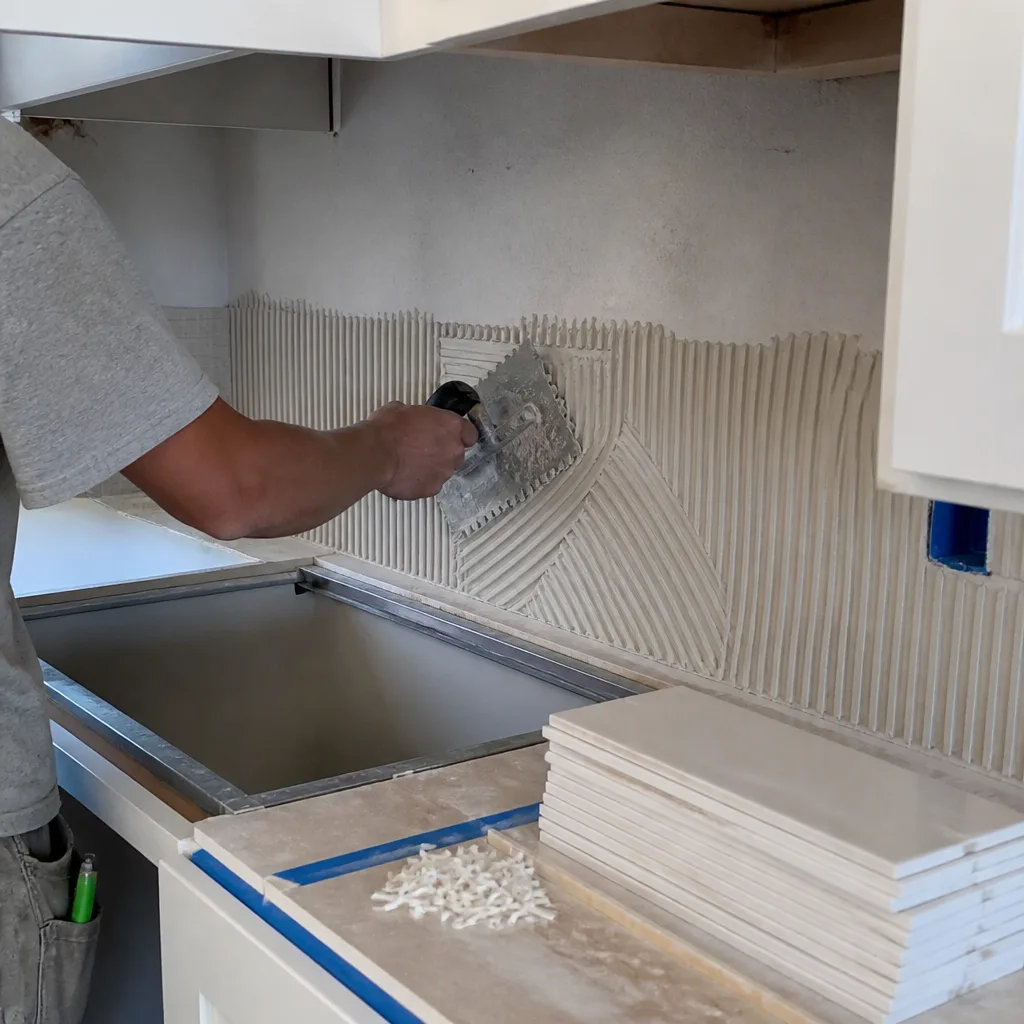
Knowing the sequence helps homeowners plan around the project and know what to expect at each stage.
- Estimate and written quote. We walk the roof, measure every section, photograph penetrations and existing conditions, and deliver a flat written price with a line-item scope. No work starts until you’ve signed the agreement. If anything is found during tear-off that changes the scope, we write a change order with a specific dollar amount and get your signature before the additional work proceeds.
- Permit application. We file with the City of Palo Alto’s Development Services Center. Processing typically takes seven to fourteen days for a straightforward residential application. We track the permit status and notify you when it’s approved.
- Material delivery and staging. Panel coils or pre-cut panels are delivered to the site. We stage materials to minimize driveway impact and protect landscaping during unloading.
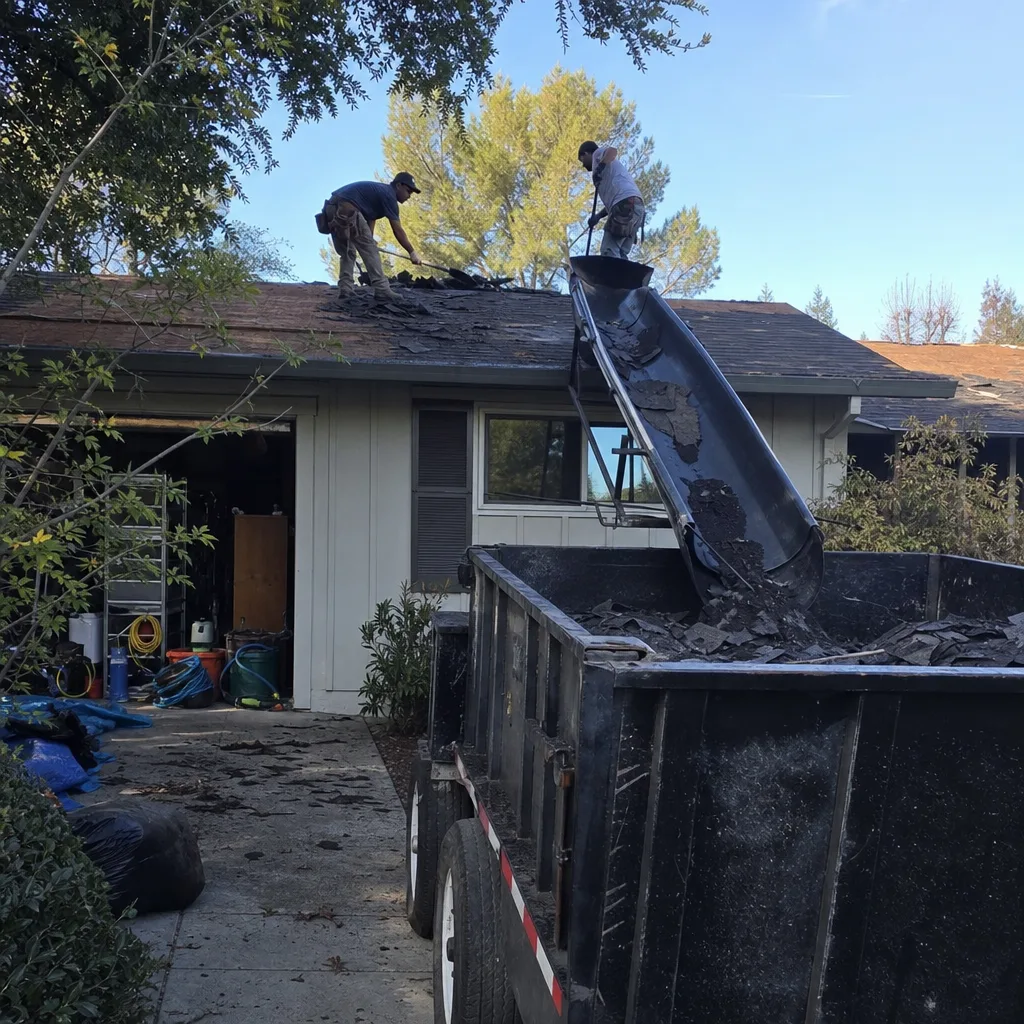
- Tear-off. Existing roofing is removed down to the deck. We photograph the exposed sheathing before any new material goes down – this is the documented photo record that’s part of every Rowan project. If we find soft spots or rotted sheathing, the change order process kicks in at this point.
- Deck prep and underlayment. Any sheathing repairs are completed. Underlayment is installed per the spec in the written quote – self-adhering membrane for low-slope sections, synthetic felt for standard pitches.
- Panel installation. Standing-seam panels are rolled on-site (most panel fabricators use a mobile roll former for projects of this size, which reduces waste and avoids transport damage) or pre-cut panels are installed. Exposed-fastener systems follow a different sequence; we’ll describe the specific approach in the project documents.
- Flashing, trim, and ridge. Every penetration is flashed and sealed. Ridge caps, drip edge, and valley trim are installed and inspected.
- City inspection. The Palo Alto building inspector visits and signs off. We coordinate the inspection appointment.
- Final walkthrough and photo record. We walk the completed roof with you, review the documentation package, and confirm the written warranty terms. You leave the project with a photo record of what was found and what was done.
FAQs – Metal Roof Installation Cost in Palo Alto
How much does metal roof installation cost in Palo Alto?
Metal roof installation in Palo Alto costs $15,000 to $40,000 for most single-family homes, with the majority of projects falling between $20,000 and $30,000. The lower end reflects a smaller, simple-pitch home with an exposed-fastener panel system; the upper end reflects a large home with standing-seam panels, multiple penetrations, a full tear-off, and sheathing repairs. Rowan provides a flat written price before any work starts – call (650) 446-9092 for a free estimate specific to your home.
Is a metal roof worth the higher cost compared to asphalt shingles in Palo Alto?
For most homeowners planning to stay in their Palo Alto home 20 or more years, yes – the math usually works. Asphalt shingle replacement runs $8,000 to $20,000 and carries a 20-to-30-year lifespan in the Peninsula climate. A metal roof at $15,000 to $40,000 is expected to last 40 to 70 years, meaning most homeowners avoid one full re-roofing cycle. In neighborhoods with high solar adoption like Midtown and Crescent Park, standing-seam metal also provides the best substrate for clamp-based solar mounting with no penetrations required. The decision is easier when you have the numbers in writing rather than in rough estimates.
How long does a metal roof installation take in Palo Alto?
Most installations take three to five working days once the permit is approved and materials are on site. The Palo Alto building permit process adds seven to fourteen calendar days before installation can begin. Factor in roughly three to four weeks from signed contract to completion start for a typical project, assuming no sheathing repairs that extend the deck phase. We build the schedule into the project agreement so you know the expected timeline before signing.
Does Palo Alto require a permit for metal roof installation?
Yes. The City of Palo Alto requires a building permit for any full roof replacement, including a switch from one roofing material type to another. The permit is filed with the Development Services Center, and a city inspector must sign off on the completed installation. Rowan handles the permit application and inspection coordination as part of the project scope – the homeowner doesn’t need to visit the permit counter. Permit fees typically run $350 to $900 depending on project valuation.
What type of metal roofing is best for Palo Alto homes?
Standing-seam Galvalume steel with a Kynar-based finish coating is the most appropriate spec for most Palo Alto homes. The concealed fastener eliminates the main water-intrusion point, the Galvalume substrate resists corrosion in the Bay Area’s fog-influenced climate, and the Kynar finish carries a 40-year paint warranty from most major manufacturers. For Eichler homes in Fairmeadow, Green Gables, and Greenmeadow, standing seam is specifically recommended because of the low-slope geometry. Copper and zinc are appropriate for architecturally significant homes where the long-term patina finish is a design priority – but they come at a significant cost premium and should be quoted specifically. Call (650) 446-9092 and we’ll walk through which spec fits your home’s pitch, neighborhood, and budget.
Can I get a second opinion if I already have a metal roofing quote?
Yes, and we’d encourage it. Rowan offers a free second opinion on any written estimate – bring a competitor’s quote and Grant Rowan’s team will review it line by line at no charge. We look at panel spec, underlayment type, permit inclusion, warranty terms, and whether the scope accounts for the actual conditions of your roof. There’s no obligation. Call (650) 446-9092 to set up a review.
Key Takeaways
- Metal roof installation in Palo Alto costs $15,000 to $40,000, with most projects between $20,000 and $30,000.
- Standing-seam panels cost more than exposed-fastener systems but are the correct spec for low-slope roofs, including Eichler homes in Fairmeadow and Green Gables.
- The City of Palo Alto requires a building permit for full roof replacement; plan seven to fourteen days for permit processing.
- Substrate condition discovered during tear-off is the most common source of cost change; Rowan handles this through a signed change order before any additional work begins.
- Homes with existing solar arrays need panel removal and reinstallation coordinated with the solar company – budget and schedule for that separately.
- Rowan provides a flat written price before any work starts, a documented photo record on every visit, and a 365-Day Done Right Promise on every project.
- A free second opinion on any written estimate is available – call (650) 446-9092.
Get a Written Price for Your Palo Alto Metal Roof
Grant Rowan and the Rowan Construction Group team have delivered Metal Roof Installation in Palo Alto with the same process on every project: a flat written price before any work starts, a signed change order before any scope change, and a documented photo record when the crew leaves. That’s not a marketing claim; it’s the administrative discipline that has kept projects within a few percent of the agreed cost across more than 4,000 jobs since 2007.
If you’re ready for a written estimate on your home, or if you’d like a free second opinion on a quote you’ve already received, call (650) 446-9092. A live person answers. We’ll schedule a roof walk, document the existing conditions, and deliver a written price – no “call for a quote” runaround, no range that doubles by the time you sign. Visit our home page to see the full range of trades we cover across the Peninsula.
Written by Grant Rowan, Owner at Rowan Construction Group, serving Palo Alto since 2007. Pricing reflects the Palo Alto market as of 2026. Rowan Construction Group Palo Alto offers free estimates – call (650) 446-9092.
What Our Customers Say
"Driveway replaced properly with a base that will actually last. They explained why the cheaper quote was cheaper."
- Reggie O."Final invoice was within two percent of the contract. Every change was priced and signed before anyone picked up a tool."
- Malcolm T."Talked us out of the larger scope we came in asking for, because it would not have added the value we thought."
- Emil R.