
Last updated September 25, 2026
Free written scope consultation - allowances, timeline, and change-order rules on paper before a single trade is scheduled
 Before
 After
After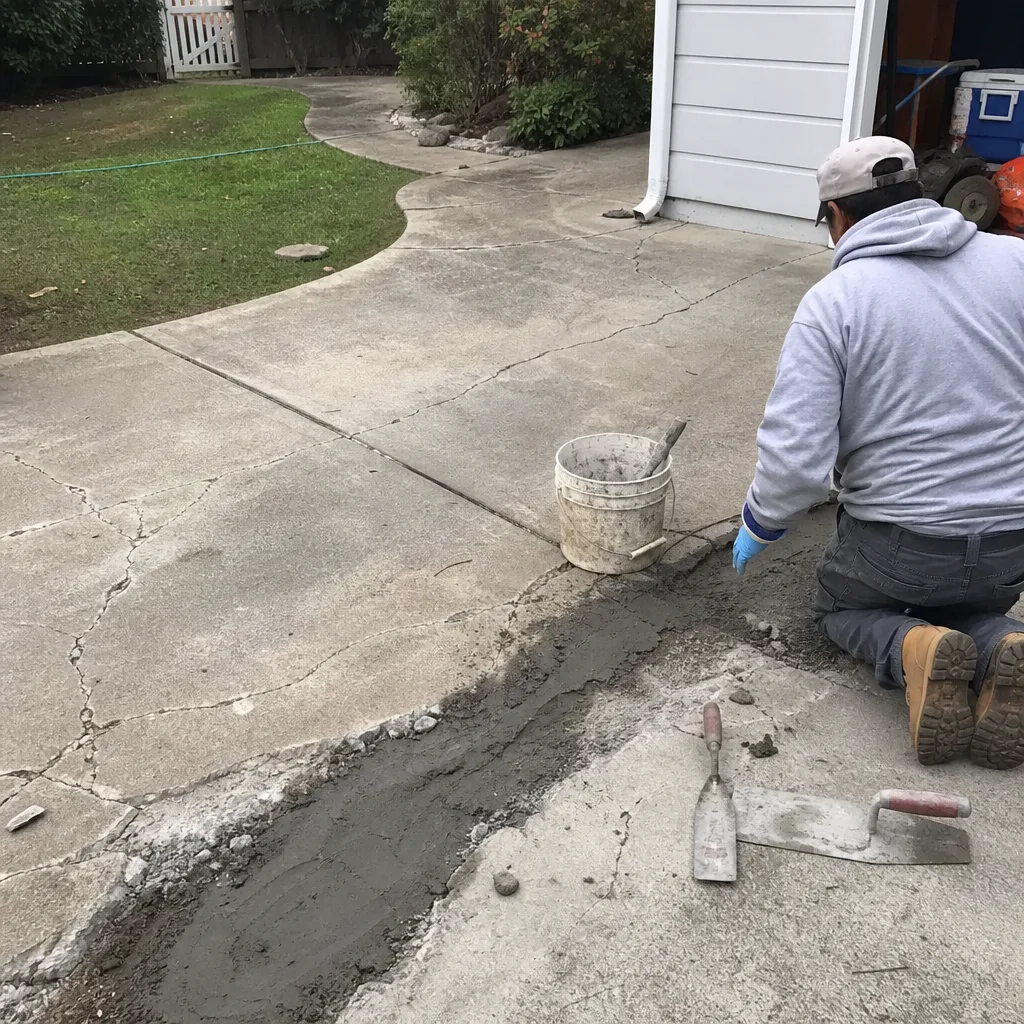 Before
 After
After Before
 After
AfterConstruction Cost Breakdown: The Palo Alto Homeowner’s Reference for 2026
A Palo Alto building permit for a $200,000 kitchen remodel carries a permit fee of roughly $3,800-$5,200 in city fees alone - before the contractor has touched a wall. That’s because the City of Palo Alto’s fee schedule ties both the building permit and the plan-check fee to the declared project valuation, a structure most national cost guides don’t account for. In this guide, we’ll break down what Palo Alto homeowners actually pay in 2026: real permit fees with worked examples, trade-by-trade labor and material splits, the specific line items that disappear from competitor bids, and how to read scope language so the number on page one survives to the final invoice. For Construction Permits, Codes & Inspections in CA: What You Need to Know, see our dedicated resource. Every figure reflects Santa Clara County market conditions, not California averages.
Quick Answer
A typical Palo Alto residential construction project in 2026 runs 20-35% above California statewide averages, with total costs spanning $75,000-$150,000 for a mid-range bathroom remodel, $180,000-$350,000 for a kitchen remodel, and $450,000-$900,000 for a 500-square-foot home addition or ADU. City of Palo Alto permit fees add 2.5-3.5% on top of construction costs for most projects, with higher percentages for smaller jobs due to minimum fee floors. Labor rates for licensed trades in Santa Clara County run $110-$135 per hour for electricians and $95-$120 for plumbers, versus $85-$100 and $75-$95 respectively in Central Valley markets.
Table of Contents
- How Palo Alto Permit Fees Are Actually Calculated
- Trade-by-Trade Cost Ranges for Common Projects
- Where Palo Alto Labor Costs Diverge from Bay Area Averages
- Hidden Cost Categories Most Estimates Omit
- How to Read a Contractor Bid for What’s Excluded
- Material Lead Times and Scheduling Costs in 2026
- A Practical Budgeting Strategy for Palo Alto Projects
- Common Mistakes to Avoid
- When to Call a Professional
- Frequently Asked Questions
 Before
 After
AfterHow Palo Alto Permit Fees Are Actually Calculated
The City of Palo Alto structures permit fees as a percentage of declared project valuation, with separate line items for building permit, plan check, and - for additions that add habitable square footage - school impact fees. Most homeowners we meet assume permit costs are flat or negligible until they see the first revised estimate. They’re not. Here’s how the math works.
Building Permit Fee: The city charges a base fee plus a valuation fee calculated at approximately $8.50-$11.00 per $1,000 of project value for residential construction. A $250,000 kitchen remodel therefore carries a building permit fee of roughly $2,125-$2,750 before add-ons.
Plan-Check Fee: This is typically 65-85% of the building permit fee, charged separately for the city’s review of architectural and engineering plans. On that same $250,000 project, plan-check runs $1,380-$2,340.
School Impact Fee: For additions and ADUs that create new habitable space, Palo Alto charges per square foot based on current Palo Alto Unified School District rates. In 2026, this is approximately $4.50-$5.50 per square foot of added conditioned space. A 500-square-foot ADU adds $2,250-$2,750.
Worked Examples:
| Project Valuation | Building Permit | Plan-Check Fee | School Impact (if applicable) | Total City Fees |
|---|---|---|---|---|
| $100,000 (bathroom remodel) | $850-$1,100 | $550-$935 | N/A | $1,400-$2,035 |
| $250,000 (kitchen remodel) | $2,125-$2,750 | $1,380-$2,340 | N/A | $3,505-$5,090 |
| $500,000 (room addition + ADU) | $4,250-$5,500 | $2,760-$4,675 | $2,250-$2,750 | $9,260-$12,925 |
These figures exclude separate permits for electrical, plumbing, and mechanical work, which Palo Alto issues individually. A full kitchen remodel typically requires three to five trade permits at $200-$400 each. The city also charges for each inspection re-visit if the work isn’t ready when the inspector arrives - a scheduling discipline that affects contractor pricing in Palo Alto specifically, where inspector availability runs tighter than in San Jose or Fremont.
Under Clause 1 of the Haven Standard, Rowan Construction Group lists permit fees as a separate line item in every written quote, not buried in overhead. We’ve found that homeowners who understand this structure make better decisions about project scope before design begins.
Trade-by-Trade Cost Ranges for Common Projects
The table below reflects 2025-2026 pricing for completed projects in Palo Alto and adjacent Santa Clara County cities. Ranges account for finish-level variation and structural complexity. Labor percentages include contractor markup on subcontractor costs; material percentages include delivery, not just unit pricing.
| Project Type | Low Range | Mid Range | High Range | Labor % | Material % |
|---|---|---|---|---|---|
| Bathroom remodel (full, 5’×8′ to 8’×10′) | $55,000 | $85,000-$110,000 | $160,000+ | 55-60% | 40-45% |
| Kitchen remodel (200-350 sq ft, no structural) | $120,000 | $220,000-$280,000 | $400,000+ | 50-55% | 45-50% |
| Kitchen remodel (with wall removal, beam install) | $180,000 | $300,000-$380,000 | $550,000+ | 55-60% | 40-45% |
| Master suite addition (400-500 sq ft) | $350,000 | $550,000-$720,000 | $950,000+ | 50-55% | 45-50% |
| ADU, detached (400-600 sq ft) | $280,000 | $420,000-$580,000 | $750,000+ | 45-50% | 50-55% |
| ADU, garage conversion (400 sq ft) | $180,000 | $280,000-$380,000 | $520,000+ | 50-55% | 45-50% |
| Roof replacement (2,500 sq ft, composite shingle) | $28,000 | $38,000-$48,000 | $65,000+ | 40-45% | 55-60% |
| Roof replacement (clay or concrete tile) | $55,000 | $75,000-$95,000 | $140,000+ | 45-50% | 50-55% |
| Window replacement (full house, 15-20 units) | $35,000 | $55,000-$75,000 | $110,000+ | 35-40% | 60-65% |
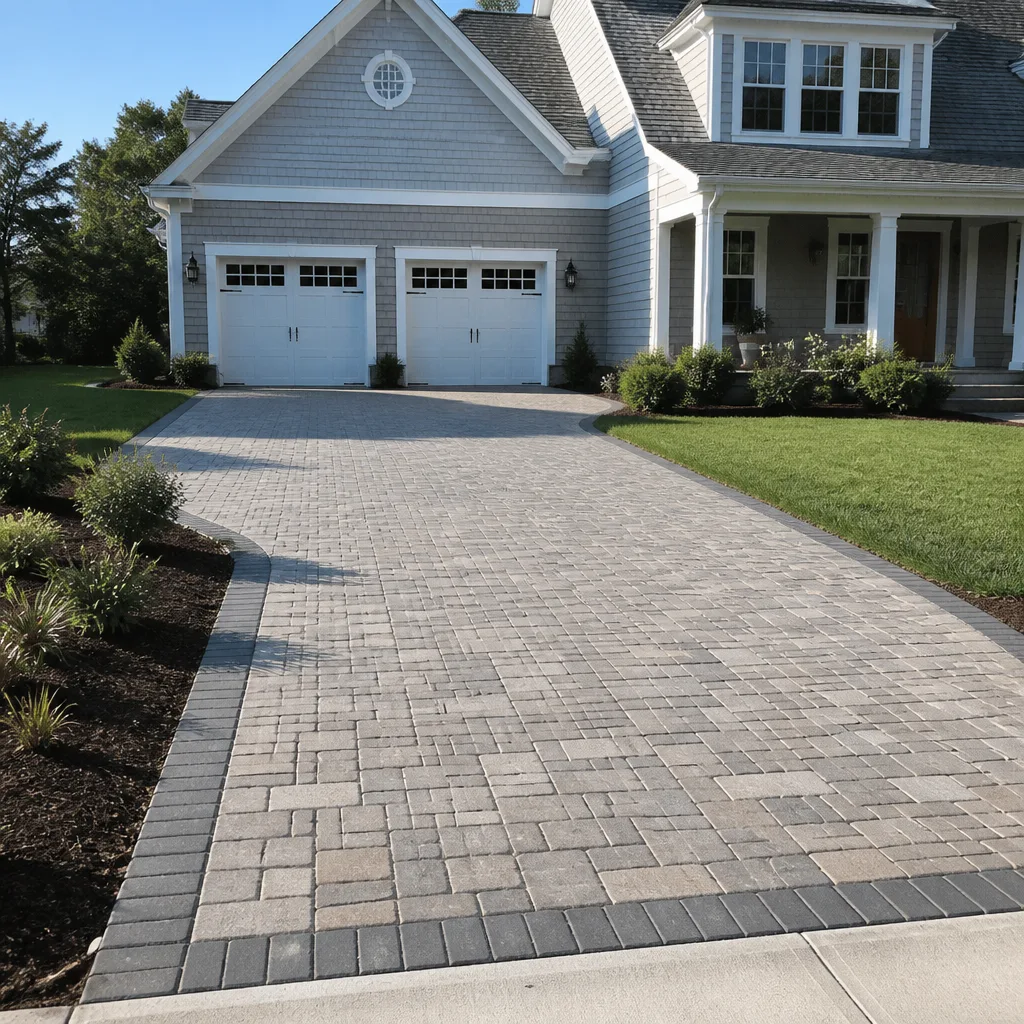
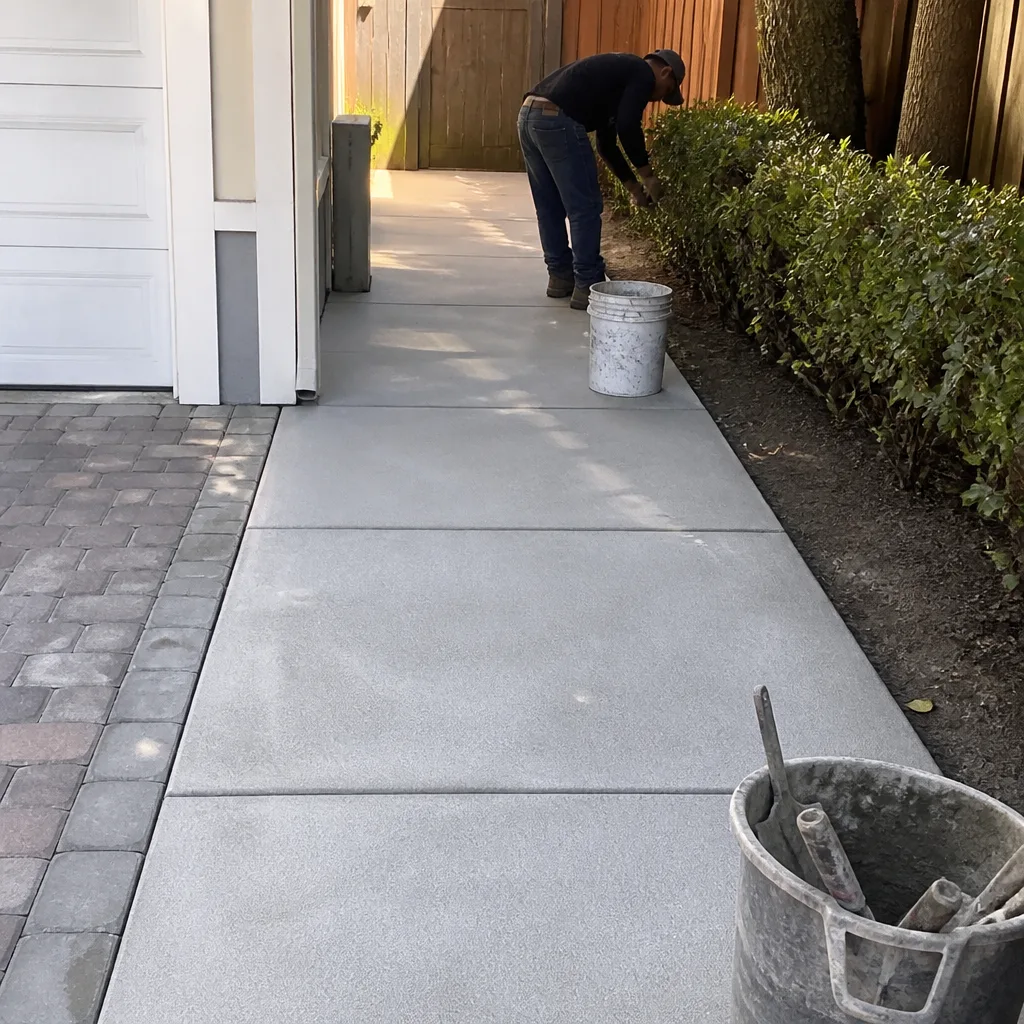
| Driveway/pavers (1,000 sq ft) | $18,000 | $28,000-$38,000 | $55,000+ | 40-45% | 55-60% |
Several factors push Palo Alto projects toward the higher end of these ranges:
- Foundation conditions: Older Palo Alto neighborhoods - Professorville, Old Palo Alto, and portions of Crescent Park - often require engineered foundations or seismic retrofitting that adds $15,000-$40,000 before visible work begins.
- Utility infrastructure: Palo Alto’s municipal electric utility (City of Palo Alto Utilities) has specific service-upgrade requirements and inspection protocols that differ from PG&E territory, adding coordination time and sometimes equipment costs.
- Tree protection ordinances: Protected oak and redwood specimens trigger arborist reports and protective fencing requirements, typically $2,500-$6,000 per project in affected yards.
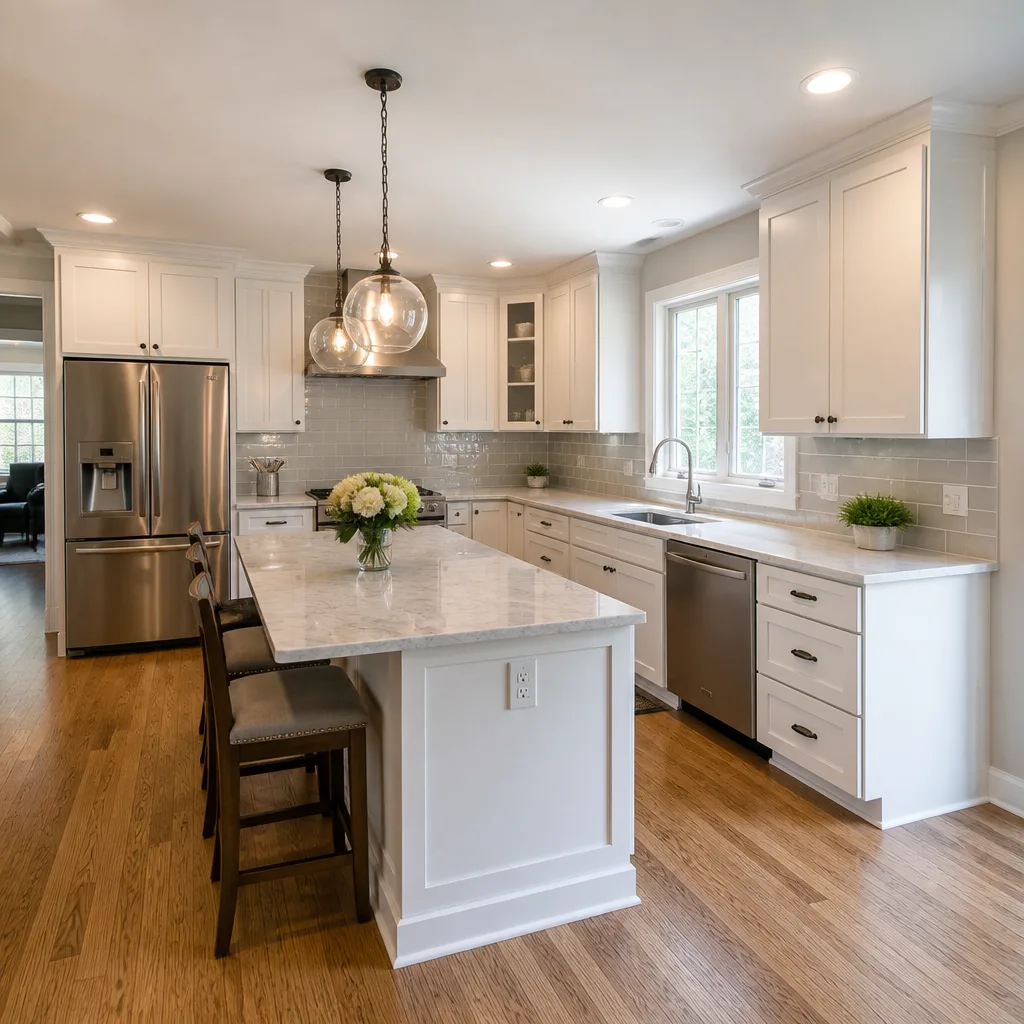
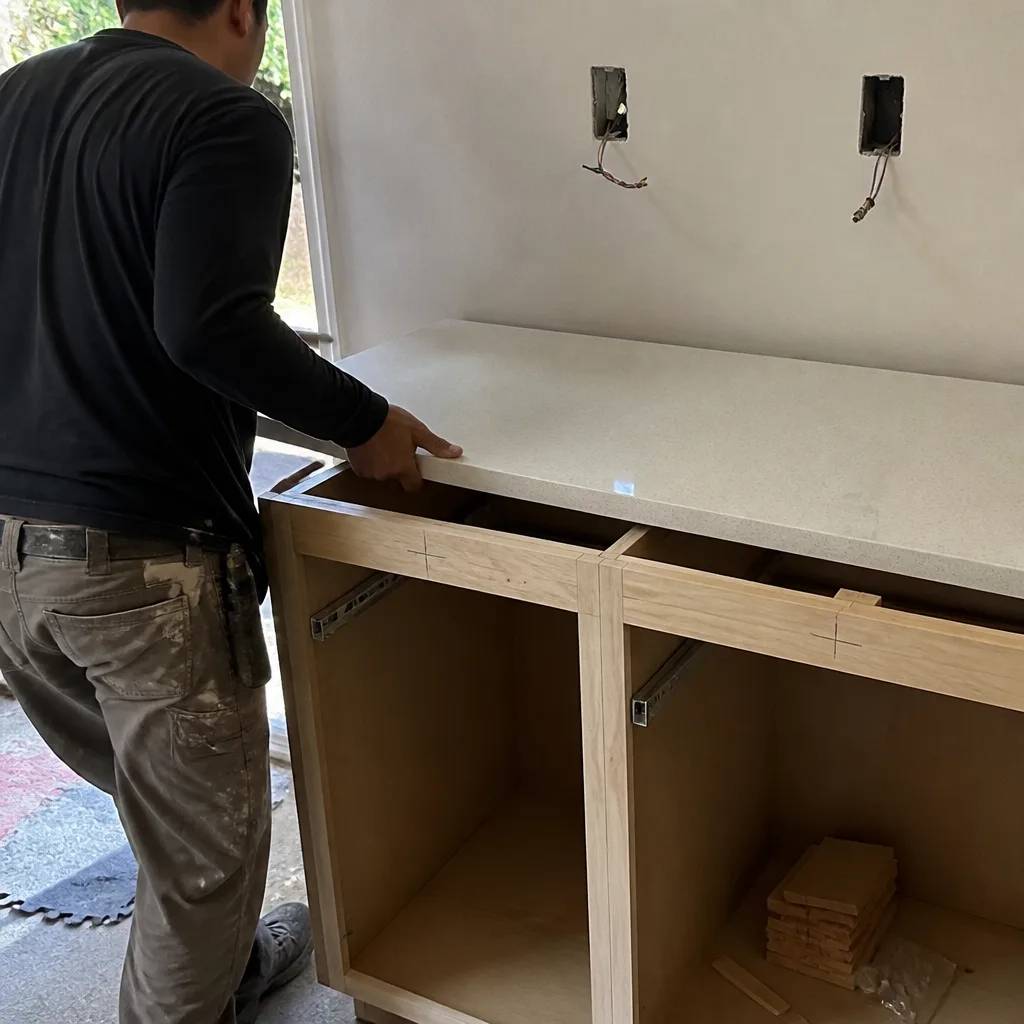
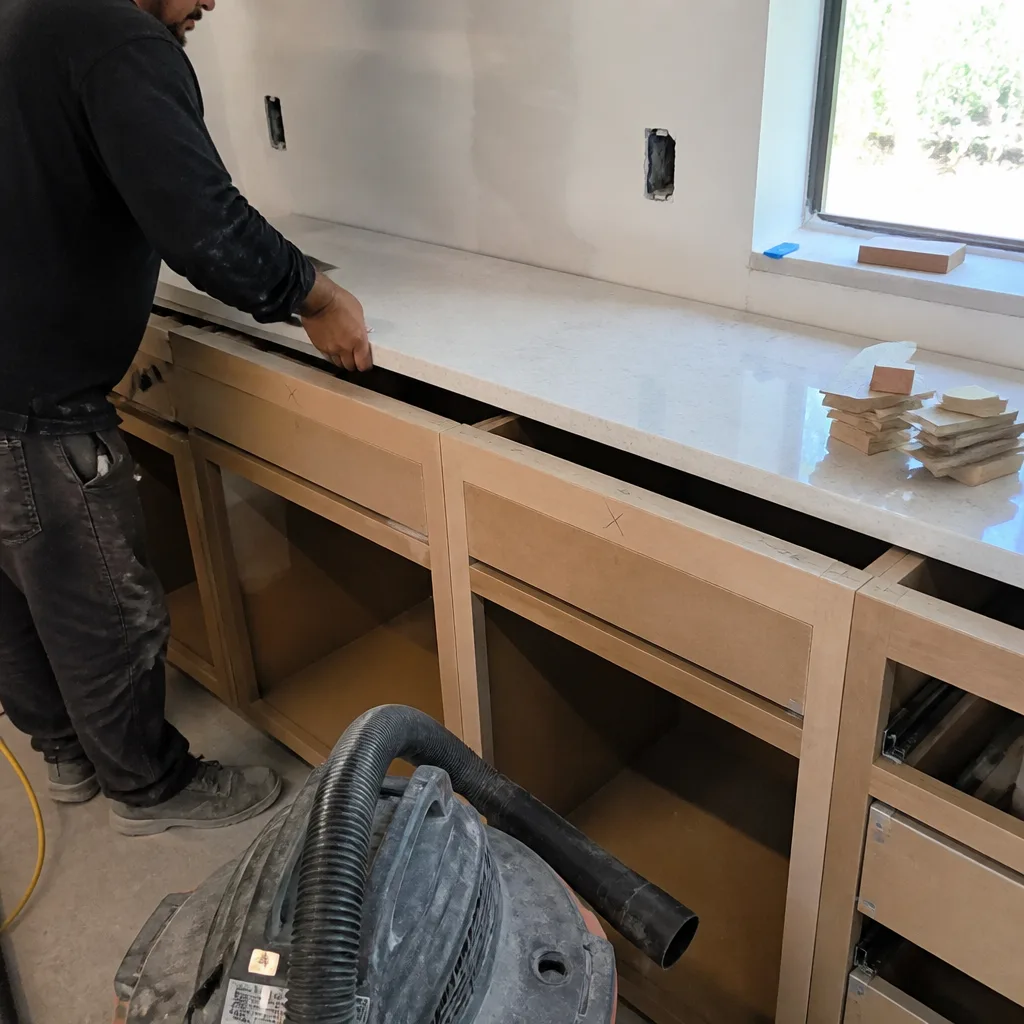
For Kitchen Remodeling in Palo Alto, material selection drives variance more than in most trades. A KraftMaid semi-custom cabinet package with painted finish runs $18,000-$28,000 for a typical 10’×12′ kitchen, while fully custom European-style cabinetry from a Bay Area shop can reach $60,000-$90,000 before hardware. Cambria quartz countertops installed run $85-$140 per square foot depending on edge detail and slab selection; comparable Caesarstone patterns land 10-15% lower. We source across fifty-plus vetted brands so the written quote reflects actual distributor pricing, not inflated allowances.
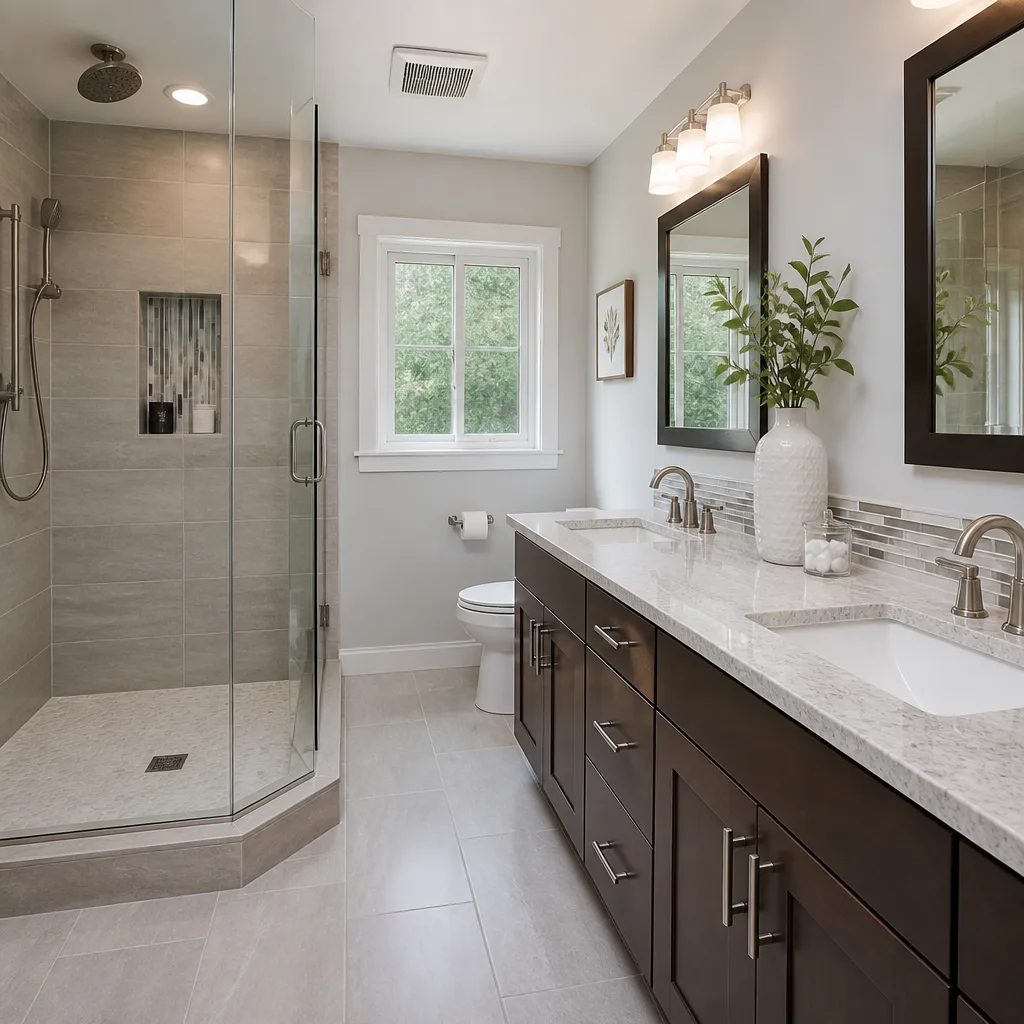
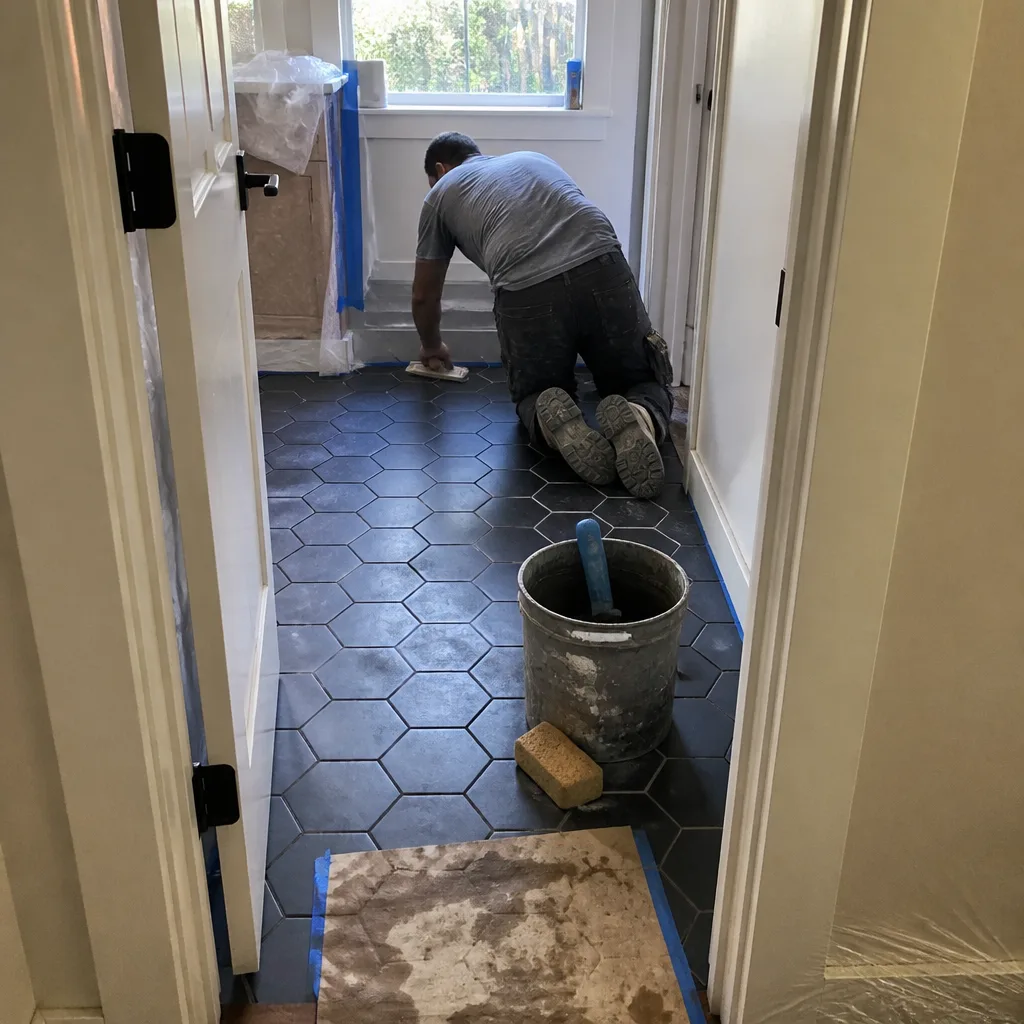
Bathroom Remodeling in Palo Alto follows a similar pattern. Kohler and Toto fixtures represent the bulk of our specifications - a Toto Washlet-equipped toilet and Kohler Purist valve trim package runs $3,500-$5,500 in materials for a master bath, versus $1,200-$2,000 for builder-grade alternatives. The labor percentage runs higher in bathrooms than kitchens because of the density of waterproofing, plumbing rough-in, and tile work per square foot.
Where Palo Alto Labor Costs Diverge from Bay Area Averages
Santa Clara County licensed trade rates sit at a premium even within California. The divergence matters because labor compounds - a project with 400 hours of electrical and plumbing work doesn’t just pay a higher hourly rate; it pays that rate across every change order, every inspection delay, and every coordination meeting.
Current rate ranges for licensed journeyman trades in Palo Alto / Santa Clara County (2026):
| Trade | Palo Alto / Santa Clara County | California Statewide Average | Premium |
|---|---|---|---|
| Licensed electrician (journeyman) | $110-$135/hr | $85-$100/hr | +20-35% |
| Licensed plumber (journeyman) | $95-$120/hr | $75-$95/hr | +15-30% |
| HVAC technician (licensed) | $90-$115/hr | $70-$90/hr | +20-30% |
| Carpenter (finish, union-scale) | $75-$95/hr | $55-$75/hr | +25-35% |
| Roofer (licensed C-39) | $65-$85/hr | $50-$65/hr | +20-30% |
These are direct labor rates before contractor markup. A general contractor in Palo Alto typically adds 15-25% for project management, coordination, warranty reserve, and overhead. Under the Haven Standard, Rowan discloses this markup as a separate line item in our written quotes, not buried in “cost plus” vagueness.
The electrician rate premium has the largest project impact. A full panel upgrade from 100A to 200A service in Palo Alto - common for kitchen remodels with induction cooktops and EV charging - requires 24-40 hours of licensed electrical work. At Santa Clara County rates, that’s $2,640-$5,400 in electrical labor alone, versus $2,040-$4,000 in Fresno or Sacramento. Add City of Palo Alto Utilities coordination, which requires a scheduled service disconnect with their crew present, and the total installed cost for a panel upgrade runs $8,500-$14,000 in Palo Alto versus $6,000-$9,500 in lower-cost markets.
Whole-house rewiring in older Palo Alto stock - knob-and-tube remnants in Professorville, early Romex in Midtown - compounds further. A 2,000-square-foot home with finished walls intact runs $25,000-$45,000 for rewiring in Palo Alto, with labor representing 60-65% of that total. The same scope in a Central Valley market runs $18,000-$30,000.
We document these labor hours in our written quotes, with trade-specific hour estimates and rates shown. A homeowner comparing three bids can see whether the variance is in hourly rate, hour estimate, or markup structure - three different negotiation points, not one opaque number.
Hidden Cost Categories Most Estimates Omit
After reviewing hundreds of competitor estimates through our Free Second Opinion service, we’ve identified five categories that routinely disappear from initial proposals and reappear as change orders - a pattern we detail in our Construction Warning Signs: A Palo Alto Homeowner’s Reference Guide. Each has specific relevance to Palo Alto’s regulatory and geographic environment.
1. Temporary utility connections for ADUs
A detached ADU in Palo Alto requires separate electrical, water, and sewer service from the main residence. The temporary connection - power for construction before permanent service is established - requires a temporary service pole and coordination with City of Palo Alto Utilities. Cost: $1,800-$3,500, typically omitted from ADU estimates that assume the main house service suffices during construction. Permanent service later requires trenching, conduit, and meter installation: $4,500-$8,500 additional depending on distance from the main panel and street access.
2. Engineering calculations for lateral (seismic) loads
Palo Alto’s location on the San Andreas Fault zone triggers specific engineering requirements for additions and ADUs. Any new structure or significant alteration requires a lateral load analysis demonstrating compliance with the California Residential Code’s seismic provisions. For a single-story addition, this runs $3,500-$6,000 for a structural engineer’s calculations and stamped drawings. Two-story additions or projects on hillside lots - common in Palo Alto Hills and Foothill areas - can reach $8,000-$15,000 for geotechnical investigation plus structural design. Many initial estimates include “structural as required” without specifying these triggers.
3. Debris hauling and roll-off permitting
Palo Alto requires a street use permit for roll-off dumpsters placed in the public right-of-way, including most residential driveways that extend to the curb. The permit runs $150-$400 depending on duration, and the city mandates specific hauler certification. More significantly, Palo Alto’s landfill diversion requirements (consistent with CalGreen standards) mandate 65% minimum diversion for construction debris. Mixed-waste hauling runs $120-$180 per ton; source-separated recycling reduces this to $80-$120 per ton but requires additional labor for on-site sorting. A typical kitchen demolition generates 8-15 tons. Competitor estimates often use generic “hauling included” language without specifying diversion compliance or tonnage assumptions.
4. Finish material escalation clauses
2024-2026 volatility in lumber, copper, and cabinet-grade plywood has made material escalation clauses common in Bay Area contracts. A well-written clause specifies the baseline material cost date, the price index used (typically RSMeans or a specific supplier catalog), and the threshold for adjustment - often 5% or 10%. A poorly written clause, or none at all, leaves the homeowner exposed to mid-project increases or the contractor exposed to margin erosion that degrades quality. Rowan’s written quotes lock material pricing for 90 days from quote acceptance; beyond that, we requote with current numbers, never a vague “plus actuals” structure.
5. Protection of existing finishes and landscaping
Palo Alto’s mature landscaping - heritage oaks, established irrigation, hardscaping - requires specific protection protocols during construction access. Competitor estimates often include “protect existing conditions” as a single line item at $500-$1,000. Actual costs for tree protection fencing ($800-$1,500), plywood runways for heavy equipment access ($1,200-$2,500), and irrigation system relocation/repair ($1,500-$4,000) routinely exceed this allowance. We itemize protection scope with photo documentation of pre-existing conditions, included as standard in our documented photo record.
How to Read a Contractor Bid for What’s Excluded
The number on page one of a contractor proposal means little without understanding the scope language that defines it. After eighteen years and 4,000-plus projects, we’ve learned that most cost overruns originate not in malice but in ambiguous scope description - a risk that leads many homeowners to weigh DIY vs Professional Construction: The Palo Alto Homeowner’s Decision Guide. Here’s how to read for the gaps.
Allowances vs. Specified Products
An “allowance” is a dollar placeholder for materials not yet selected. A $25,000 “cabinet allowance” sounds substantial until you discover it assumes stock maple doors from a big-box supplier and your selection runs $45,000 for semi-custom painted. Rowan’s quotes specify the brand and line - KraftMaid Vantage or Wellborn Estate, for example - with upgrade paths priced and initialled before work begins. No allowance survives as a surprise.
“Per Plan” vs. “As Directed”
“Electrical per plan” means the contractor prices exactly what’s drawn. If the plan shows eight recessed lights and you later want twelve, that’s a change order. “Electrical as directed” or “per owner” sounds flexible but often hides an hourly-rate trap with no ceiling. Our quotes specify fixture counts, locations, and circuiting; changes are quoted and signed before the electrician returns.
“Rough-In Only” vs. “Complete Installation”
Plumbing and electrical bids frequently separate “rough-in” (behind-wall work) from “finish” (fixture connection). A $8,500 plumbing quote that’s rough-in only becomes $14,000 when finish work is added. We quote complete installation: rough, finish, and fixture setting, with fixture specifications attached.
“Permits by Owner” or “Permits Extra”
This language shifts $3,000-$12,000 in permit fees and the coordination burden to the homeowner. It also creates liability gaps if the permit application contains errors. Rowan pulls all permits as standard; the fee appears as a line item in our quote, but the responsibility remains ours.
“Exclusions: Unknown Conditions”
Every contract has unknown condition language, but the threshold matters. “Exclusions: subterranean conditions, hazardous materials, code violations not visible at time of estimate” is standard. “Exclusions: any condition requiring additional work” is a blank check. Our quotes specify the investigation we’ve conducted - camera scope of sewer lines, moisture meter readings, exploratory demolition - and what remains genuinely unknown.
Seven Questions to Ask Before Signing:
- What specific brands and product lines are included in each allowance?
- Is the permit fee included, and who coordinates with the city inspector?
- What happens if the hourly rate assumption for “as directed” work is exceeded?
- Is debris hauling priced per ton, per load, or as a fixed fee - and what diversion rate is assumed?
- Does the quote include final cleaning, or is that a separate line item?
- What documentation do I receive at project completion - photo record, warranty terms, as-built drawings?
- Under what conditions can the price increase without a signed change order?
The Haven Standard requires a written answer to each question before any work starts. Clause 1 is the price; Clause 2 is the scope that defines it.
Material Lead Times and Scheduling Costs in 2026
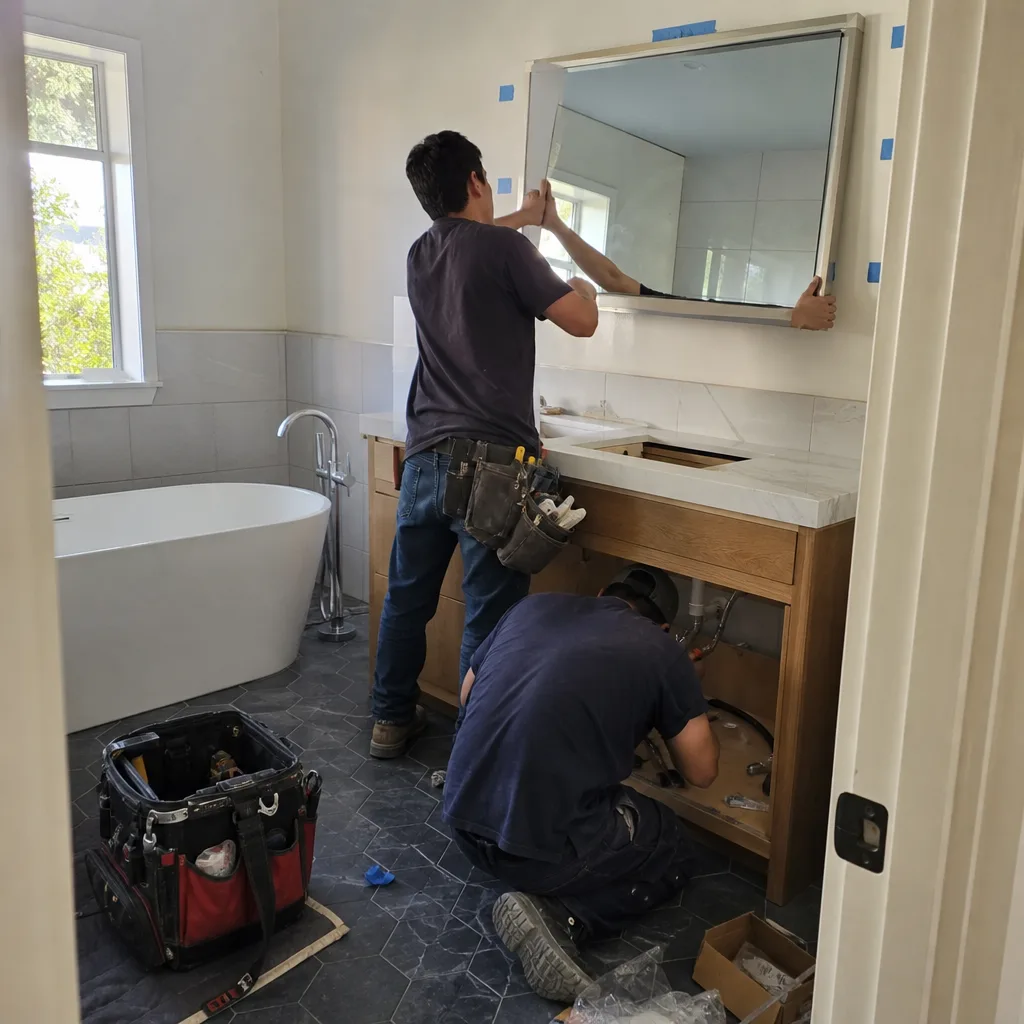
Bay Area distribution patterns create scheduling constraints that affect project cost even when material prices are stable. A project with mismatched lead times incurs either storage costs, crew standby time, or sequential rather than parallel trade scheduling - each adding labor weeks and temporary protection costs.
Current lead times for common Palo Alto project materials (Q1-Q2 2026):
- Custom cabinets (KraftMaid, Wellborn): 8-12 weeks from measured final to delivery. Rush options exist at 15-25% premium but limited to standard finishes.
- Quartz countertops (Cambria, Caesarstone): 2-3 weeks from template to install for standard colors; 4-6 weeks for exotic or jumbo slabs.
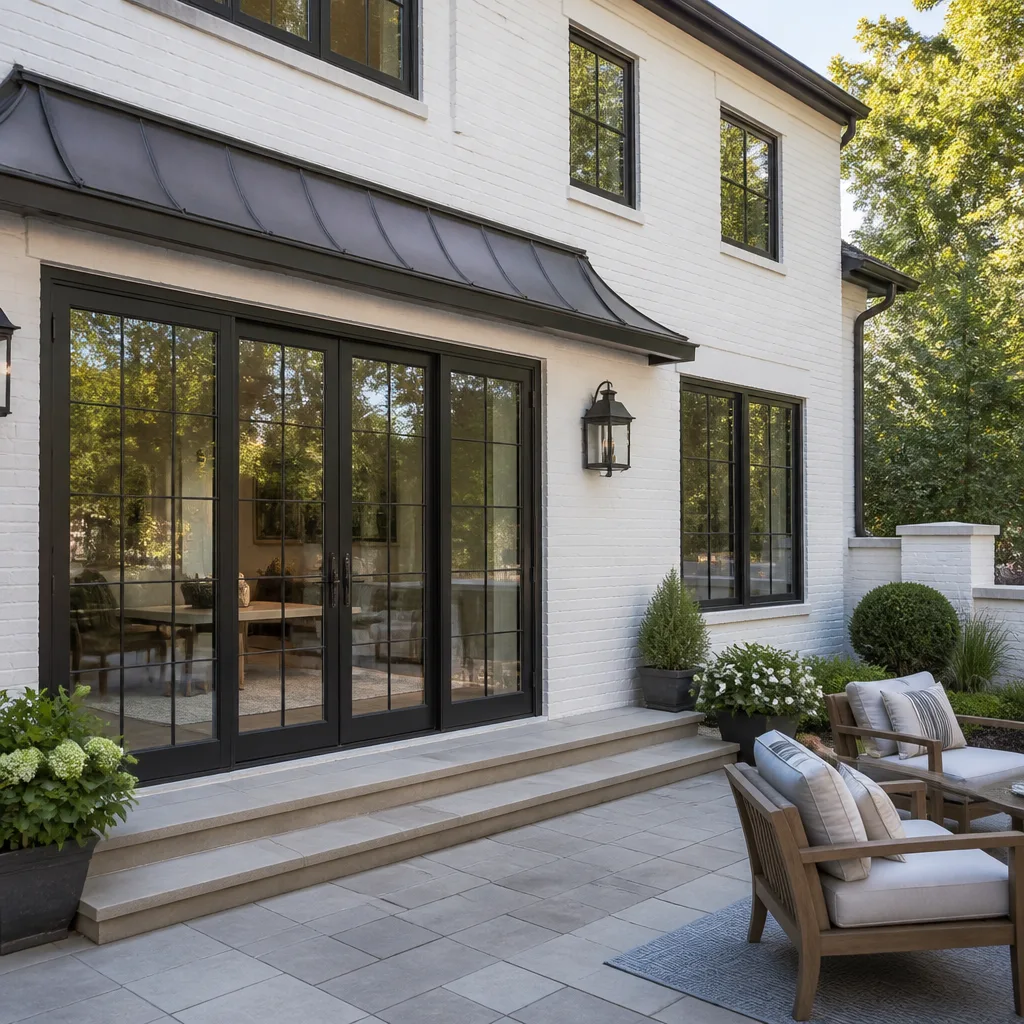
- Windows (Andersen, Marvin, Milgard): 6-10 weeks for custom sizes; 2-4 weeks for stock dimensions. Black exterior finishes add 2-3 weeks across manufacturers.
- Roofing shingles (GAF, Owens Corning): 1-2 weeks for architectural laminate; 3-5 weeks for designer or specialty colors.
- Pavers (Belgard, Techo-Bloc): 2-4 weeks for standard patterns; 6-8 weeks for imported or custom-blend colors.
- Appliances (Sub-Zero, Wolf, Miele): 4-16 weeks depending on model and finish; panel-ready refrigeration runs longest.
The scheduling implication: a kitchen remodel with custom cabinets and panel-ready appliances requires 14-18 weeks from design finalization to material readiness, even before demolition begins. A contractor who promises a 10-week kitchen remodel either has material in stock (unlikely for custom work) or hasn’t accounted for lead times in the schedule.
Temporary kitchen facilities during extended timelines add $800-$1,500 for rental equipment and increased takeout/dining costs - a real but rarely quantified homeowner expense. For ADUs, extended construction timelines delay rental income or occupancy, creating opportunity cost that should factor in financing decisions.
Prefabricated options compress these timelines significantly. Rowan Construction Group Palo Alto home specifications include modular ADU providers like Mighty Buildings (3-4 months factory to site for their 3D-printed units) and Boxabl (foldable Casita units delivered flat and assembled on foundation) where site conditions and zoning permit. Plant Prefab offers custom-designed modular at 6-9 months versus 12-18 for site-built. These aren’t universal solutions - Palo Alto’s design review and HOA contexts often favor site-built - but they’re legitimate options for specific parcels, and we price both paths when appropriate.
Tuff Shed studio and garage structures, permitted as accessory structures rather than ADUs, offer a faster-permitting path for home office or storage needs at $15,000-$35,000 installed, versus $280,000+ for a permitted ADU. The tradeoff: no kitchen, no sleeping area, no separate utility meter - but a functional space in 4-6 weeks.
A Practical Budgeting Strategy for Palo Alto Projects
After reviewing thousands of project outcomes, we’ve developed a framework that keeps Palo Alto homeowners within realistic financial boundaries without sacrificing scope clarity. Explore more guides & resources for additional planning tools.
Step 1: Establish the all-in ceiling before design begins.
This includes construction, permits, design fees (typically 8-12% of construction for architect-led projects, 4-8% for design-build), temporary housing if needed, and a contingency. The contingency for Palo Alto should be 15-20%, not the 10% national guides suggest, because of permit complexity, utility coordination, and the higher cost of change orders in a high-labor-rate market.
Step 2: Design to 85% of the construction budget, leaving 15% for the inevitable.
Every project encounters something: a rotted subfloor beneath tile, a code update between design and permit, a discontinued material requiring substitution. Designing to the full budget guarantees a change order or a quality compromise.
Step 3: Lock material specifications before permit submission.
Palo Alto’s plan-check timeline - typically 4-8 weeks for residential projects - creates a natural pause for final material selection. Use it. Changing specifications after permit approval triggers revision fees and potential re-inspection sequencing.
Step 4: Structure payments to milestones, not calendar dates.
A calendar-based payment schedule (“25% monthly”) rewards delay. A milestone schedule (“25% at permit approval, 25% at rough-in completion, 40% at final inspection, 10% at punch list”) aligns contractor and homeowner interests. Rowan’s standard schedule follows this structure, with the final 10% held until the documented photo record is delivered and the 365-Day Done Right Promise is in writing.
Step 5: Document everything, especially the pre-existing condition.
The photo record we provide isn’t for marketing - it’s for dispute prevention. A crack in the driveway slab before construction starts, a scratch on a window we didn’t replace, a fence panel leaning before demolition: these become claims without documentation. Our crews photograph every room, every elevation, every utility connection before work begins. The customer receives the full set, timestamped, as a standard deliverable.
Common Mistakes to Avoid
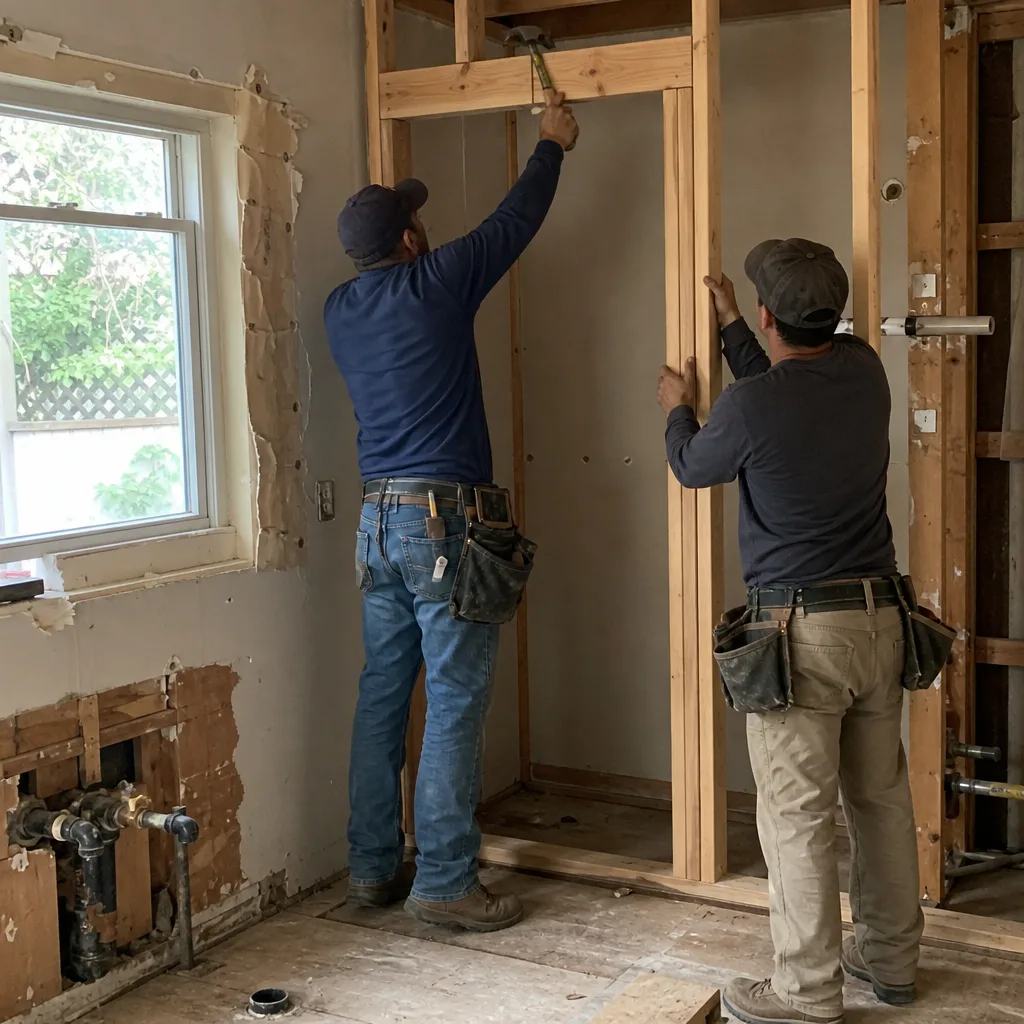
- Comparing estimates with different scope definitions. A $180,000 kitchen quote that includes appliances, permit fees, and project management isn’t “higher” than a $140,000 quote that excludes all three. Line-item the comparison or the comparison is meaningless.
- Assuming “permit included” means “all permit costs included.” Some contractors include the building permit but not plan-check, trade permits, or school impact fees. Ask for the permit fee breakdown specifically.
- Ignoring utility coordination timelines. City of Palo Alto Utilities requires 4-6 weeks notice for service upgrades or temporary connections. Missing this window delays electrical rough-in and cascades the entire schedule.
- Selecting finishes before verifying structural feasibility. That 48-inch range requires a 400 CFM minimum vent hood; the hood requires makeup air per Palo Alto energy code; the makeup air system may require a dedicated duct run that conflicts with your beam location. Design sequence matters.
- Treating the lowest bid as the baseline and others as “overpriced.” In Santa Clara County’s licensed trade market, sustained underbidding correlates with uninsured labor, unpermitted work, or change-order dependency. The meaningful comparison is scope-adjusted price, not headline number.
- Neglecting the resale implications of unpermitted work. Palo Alto’s property records are scrutinized in transactions. Unpermitted ADUs or kitchen expansansions trigger disclosure obligations, insurance complications, and potential buyer exit. The permit cost is insurance, not overhead.
- Signing a contract without a written change-order process. Every project changes. The question is whether the change is quoted, signed, and documented before the work proceeds - or invoiced after the fact with no recourse.
When to Call a Professional
Call a licensed contractor when your project involves structural modification, electrical or plumbing rough-in, or any work requiring a City of Palo Alto permit - which encompasses virtually every project described in this guide. The cost of professional engagement is recoverable; the cost of code violations, failed inspections, or uninsured accidents is not.
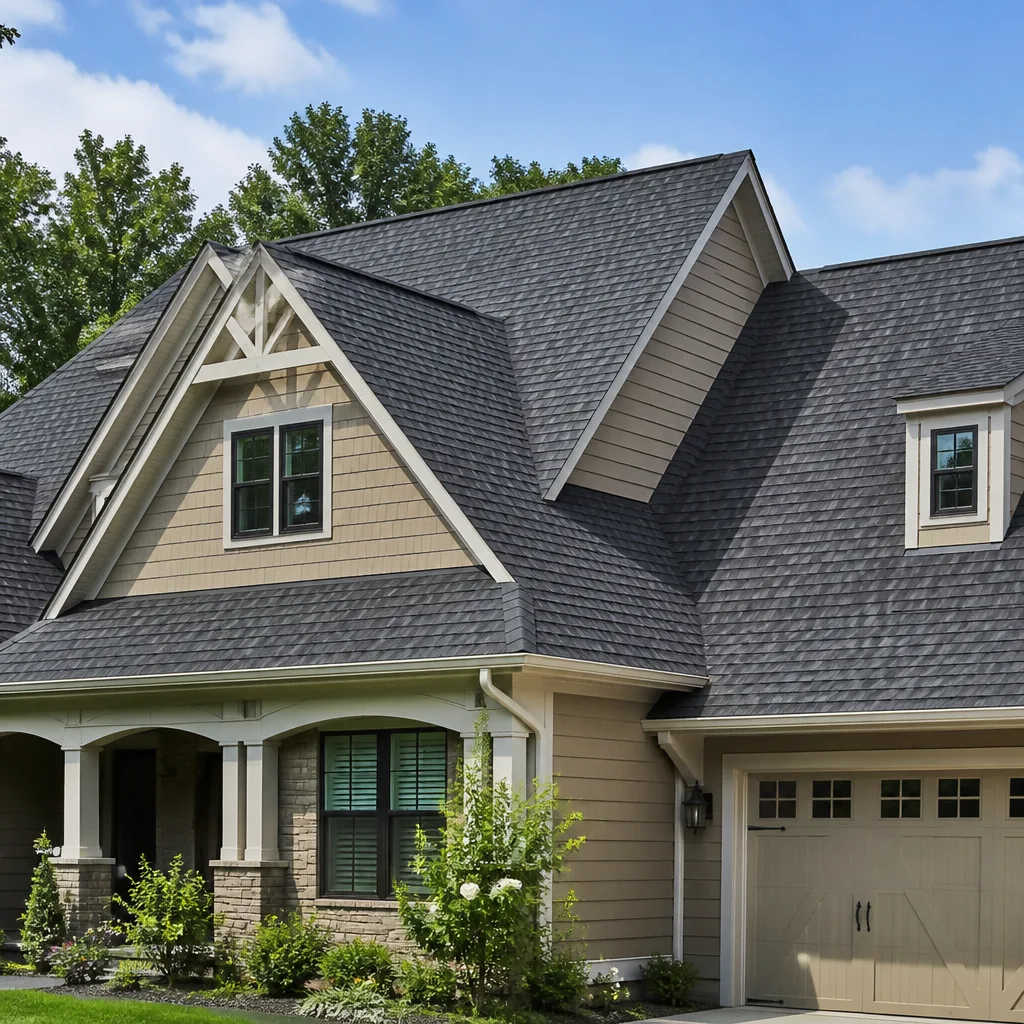
Specific scenarios warrant immediate professional consultation: foundation cracking or settlement visible in finished floors; electrical panels with fused disconnects or aluminum branch wiring; roof leaks that have penetrated insulation; and any project where your insurance carrier or lender requires a certificate of completion. Roofing in Palo Alto particularly demands licensed evaluation given wind exposure in the Foothills and the city’s specific cool-roof requirements for certain zones.
Rowan Construction Group Palo Alto offers free estimates in Palo Alto - call (650) 446-9092. We also provide a Free Second Opinion on any written estimate from another contractor, reviewed line by line with no obligation. Every estimate includes a written price, a written scope, and a documented photo record of existing conditions. Under the Haven Standard, no work proceeds before the price is agreed and no change proceeds without a signed change order.
Frequently Asked Questions
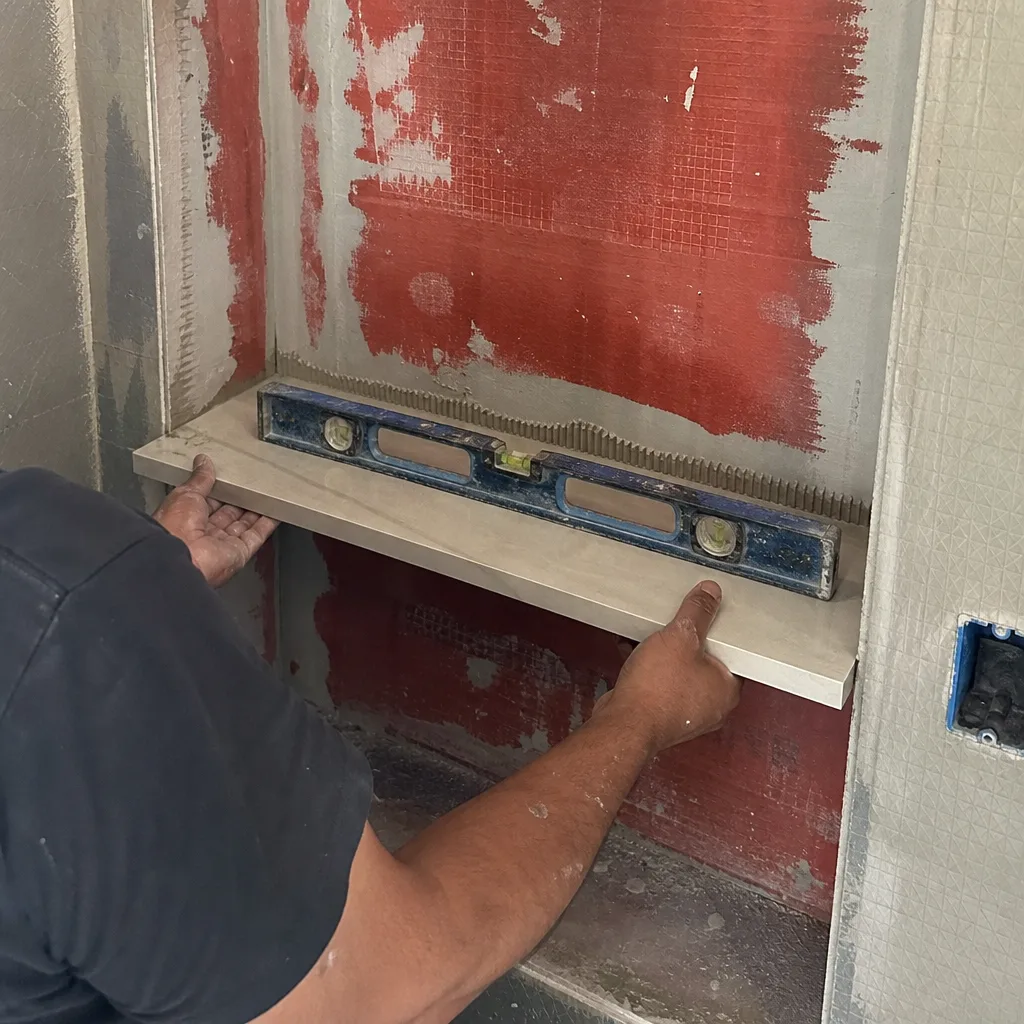
A mid-range kitchen remodel in Palo Alto runs $220,000-$280,000 for a 200-350 square foot space with semi-custom cabinets, quartz countertops, and standard appliance packages. High-end projects with structural modifications, custom cabinetry, and premium appliances reach $400,000-$550,000. Permit fees add $3,500-$5,500 at the mid-range valuation. Call (650) 446-9092 for a written quote with line-item pricing - estimates are free.
Three factors: City of Palo Alto permit fees scale with project valuation and include separate plan-check surcharges; Santa Clara County licensed trade rates run 20-35% above California averages; and material distribution from Bay Area hubs faces congestion and demand pressure from the tech sector’s continuous construction cycle. The combination compounds across a project’s labor hours and material tonnage. Call (650) 446-9092 for a Free Second Opinion if you’re comparing estimates across city boundaries.
At Rowan Construction Group, the written price does not change unless the scope changes - and no scope change proceeds without a signed change order quoting the exact cost before the work resumes. This discipline, Clause 1 of the Haven Standard, has kept our projects within a few percent of the agreed price across 4,000-plus jobs since 2007. The only exceptions are genuinely unknown conditions discovered after reasonable investigation - termite damage concealed by finishes, for example - which we document with photos and quote before remediation.
Rowan pulls all permits as standard practice. The permit fee appears as a separate line item in our written quote, but the application, plan submission, inspector coordination, and correction responses are our responsibility. Homeowners who pull their own permits assume liability for code compliance and inspection scheduling; we don’t recommend it for projects involving multiple trades or structural work.
A 400-500 square foot master suite addition requires 6-9 months from permit application to final inspection in Palo Alto, with 2-3 months of that consumed by city plan-check and permit issuance. Construction duration is 4-6 months depending on foundation type, weather, and trade coordination. ADUs follow a similar timeline; garage conversions are typically 3-5 months. Material lead times for windows and custom elements can extend these frames if not ordered at permit submission.
An allowance is a dollar placeholder for materials you haven’t selected yet; a specified product is a named brand and line with a verified price. A $25,000 cabinet allowance might cover stock maple or semi-custom painted depending on your eventual selection - a $20,000 swing. Our quotes specify KraftMaid Vantage, Wellborn Estate, or equivalent, with upgrade paths priced before you commit. This eliminates the allowance surprise and lets you compare quotes accurately.
Request a line-item breakdown separating labor, materials, permits, and overhead/profit. Verify that “permit” includes building permit, plan-check, trade permits, and school impact if applicable. Check whether material prices are fixed or subject to escalation, and whether the quote specifies “complete installation” or “rough-in only” for each trade. The Free Second Opinion we offer exists precisely for this verification - bring any written estimate and we’ll review it against these criteria at no charge. Call (650) 446-9092 to schedule.
The Bottom Line
Palo Alto construction costs in 2026 reward homeowners who read for scope, not just price. Permit fees scale with valuation and can reach $12,000+ on major additions. Labor rates for licensed trades run 20-35% above California averages, compounding across every hour of electrical, plumbing, and finish work. Material lead times from Bay Area distributors demand scheduling discipline that affects total project duration and temporary costs. The estimates that survive to final invoice are those with specified products, written change-order processes, and documented pre-existing conditions - not the lowest headline number. Rowan Construction Group has delivered 4,000-plus projects since 2007 under these constraints, every one with a written price before work started and a documented record when the crew left.
Written by Grant Rowan, Owner at Rowan Construction Group Palo Alto, serving Palo Alto since 2007.