
Last updated September 25, 2026
Free written scope consultation - allowances, timeline, and change-order rules on paper before a single trade is scheduled





 Before
 After
After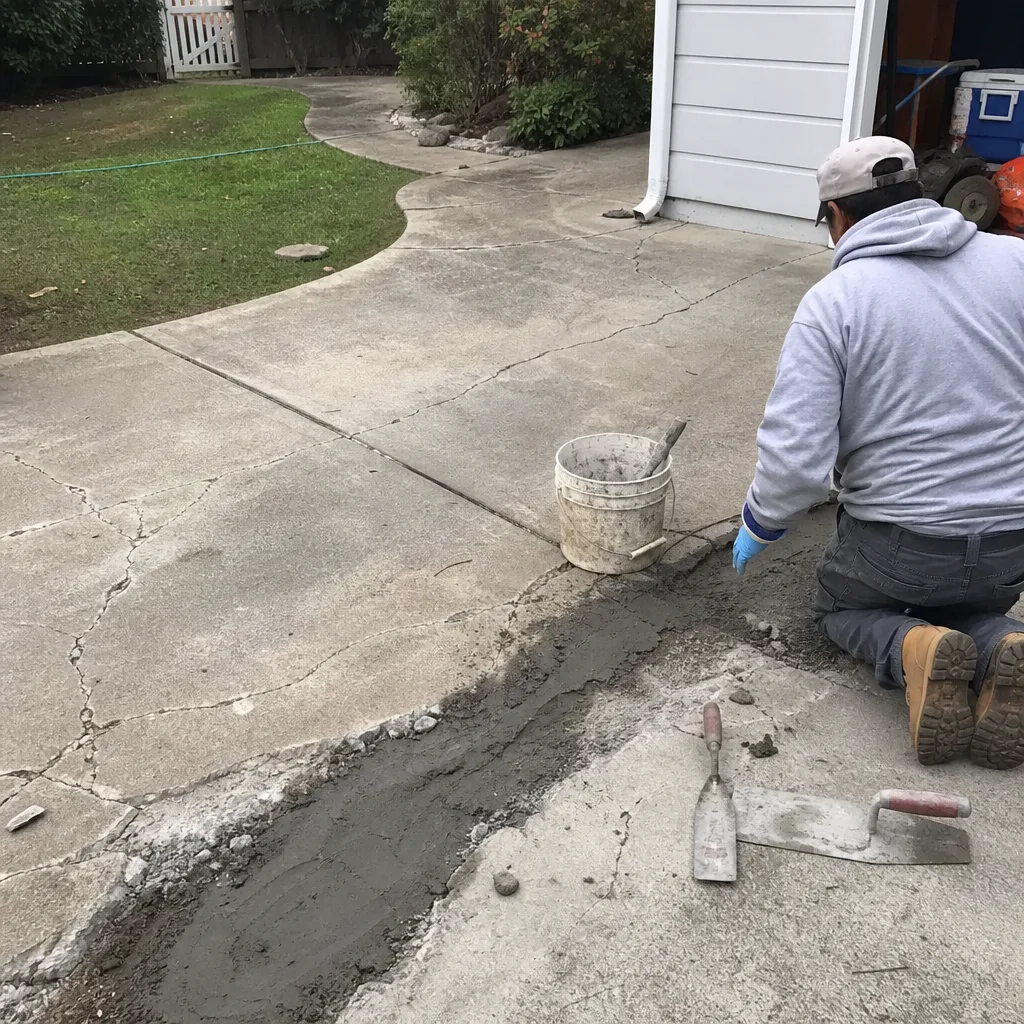 Before
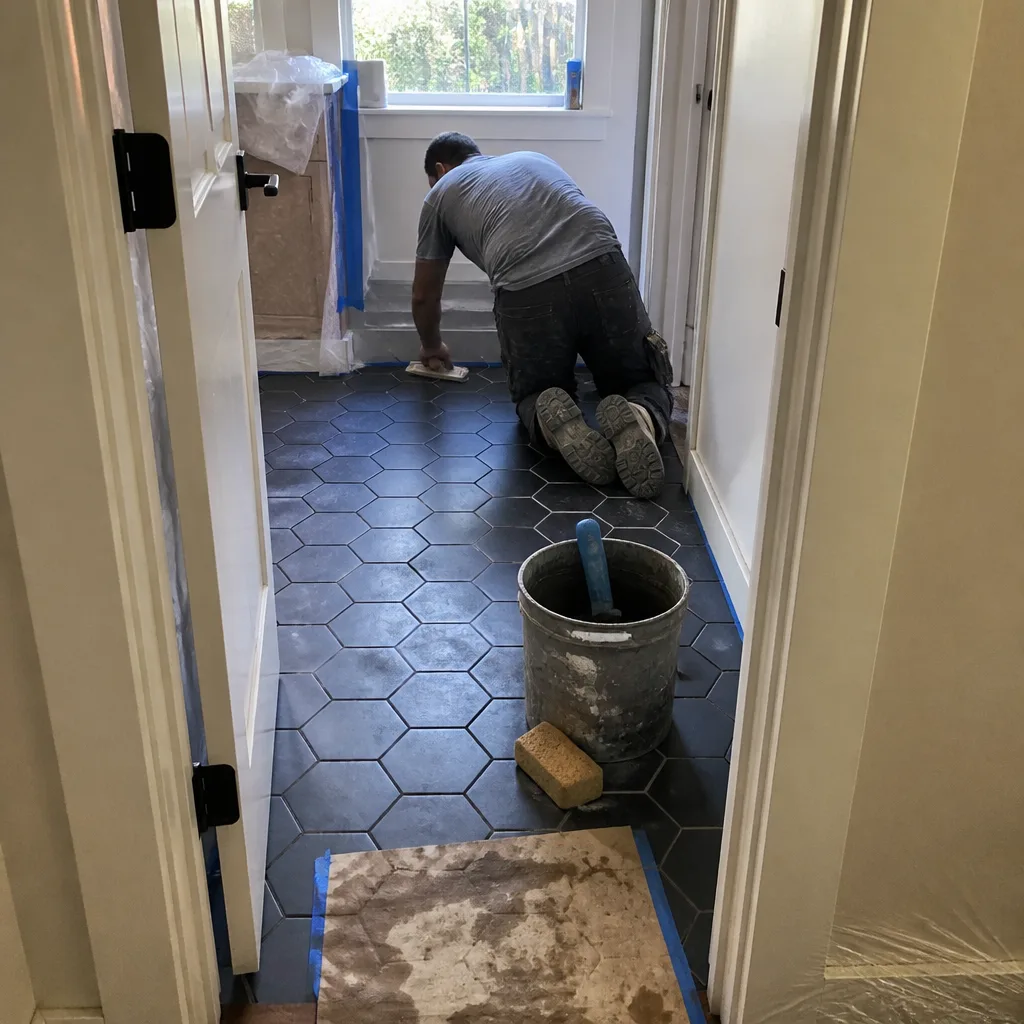 After
After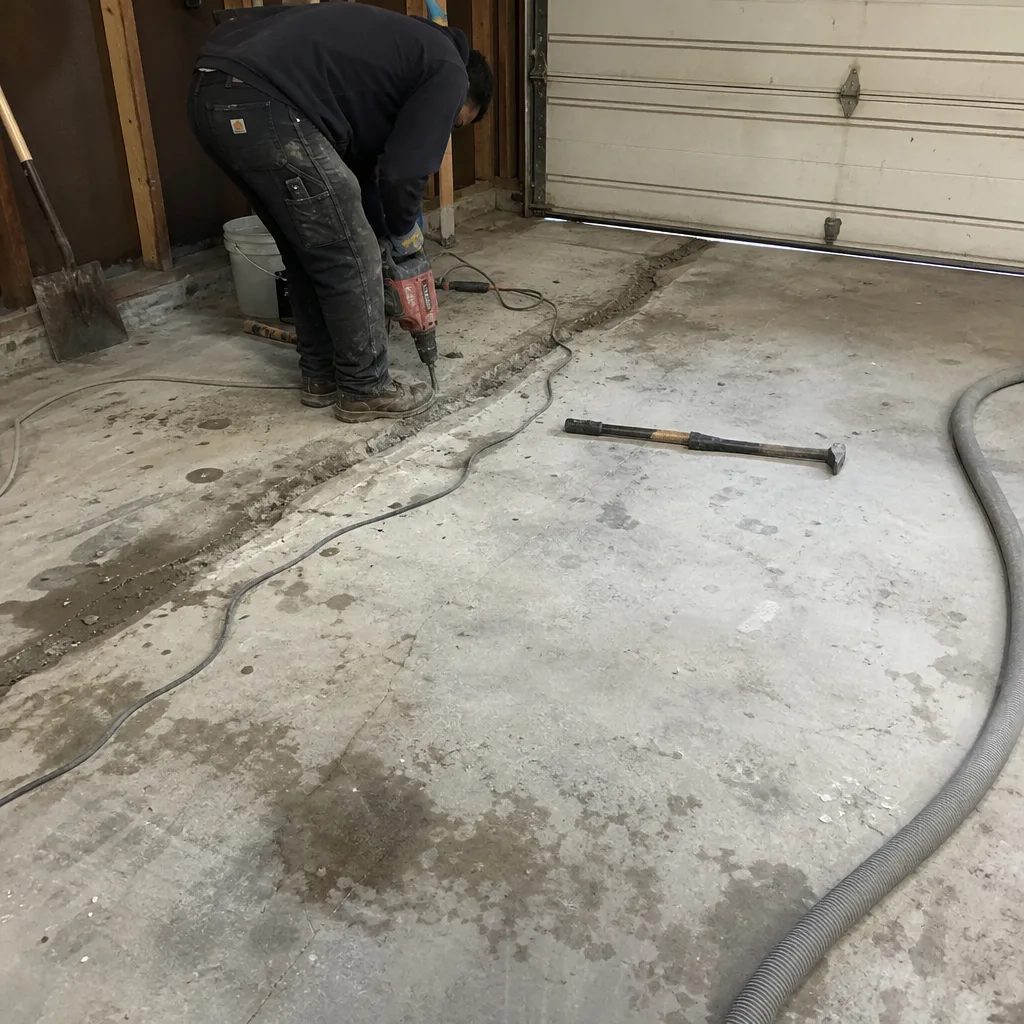 Before
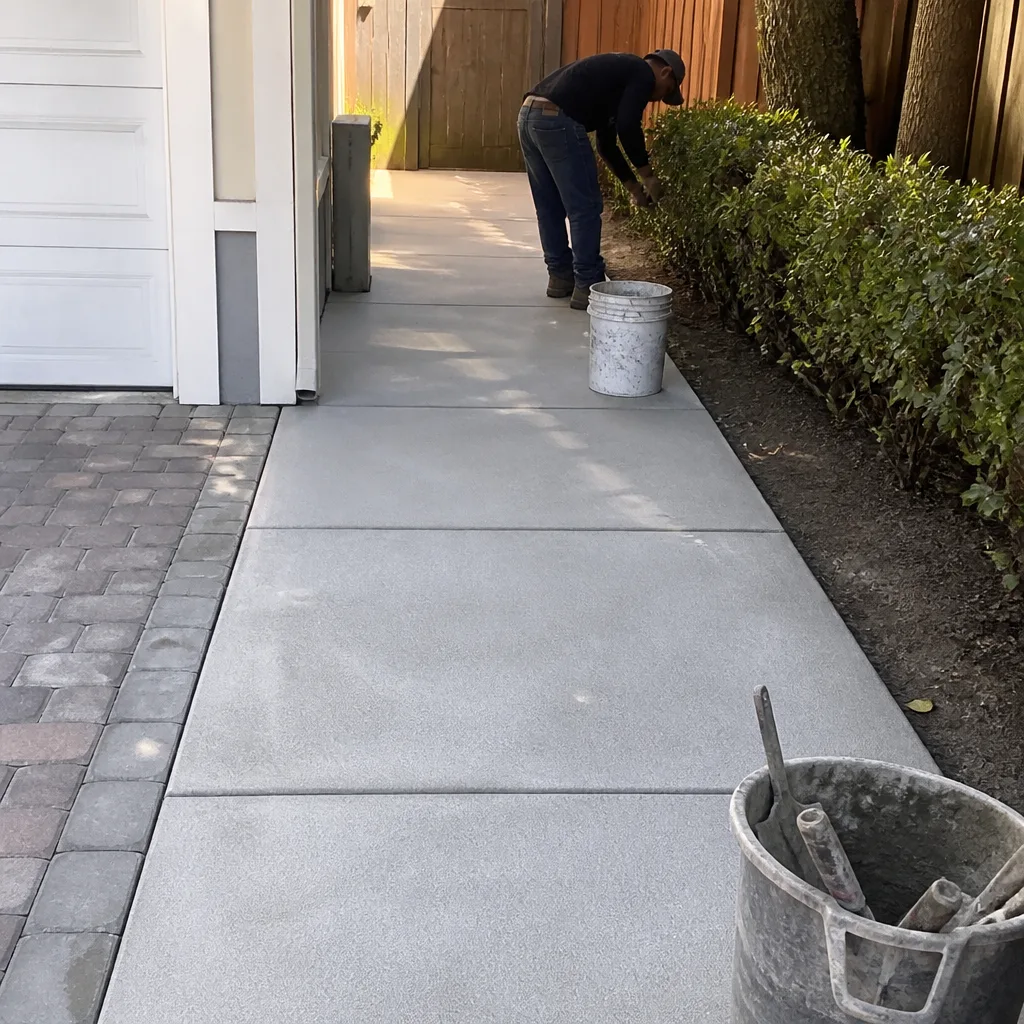 After
AfterConstruction Warning Signs: A Palo Alto Homeowner’s Reference Guide
A diagonal crack running from the corner of a window or door opening at roughly 45 degrees is almost never cosmetic. In Palo Alto’s expansive clay soils, that pattern is a classic indicator of differential foundation settlement, not just drywall shrinkage. The distinction matters because one costs $300 to patch and the other costs $15,000-$60,000 to correct. This guide teaches you to read the actual evidence: where a crack runs, how wide it is, whether it’s active, and what those characteristics point to structurally. For more guides & resources on protecting your Palo Alto home, explore our blog. You’ll learn a classification system you can apply without tools, the soil conditions that make Palo Alto different from other Bay Area cities, and which warning signs demand immediate action versus careful monitoring.
Quick Answer
Most construction warning signs visible to Palo Alto homeowners are symptoms of underlying structural, moisture, or systems problems, not the problems themselves. The critical distinctions are crack width (1/4 inch separates hairline from structural), pattern (diagonal and stair-step indicate foundation movement; horizontal suggests lateral pressure), and activity (a crack that grows over 90 days is active and requires professional assessment). Interior signs like ceiling stain shape, water meter movement, and breaker trip patterns provide equally important diagnostic information.
Table of Contents
- A Crack Classification System You Can Use Without Tools
- Palo Alto Soil Conditions and What They Mean for Your Foundation
- Roof and Attic Warning Signs That Show Up Inside Your House
- Plumbing Warning Signs Beyond the Obvious Leak
- Electrical Warning Signs: Urgent vs. Scheduleable
- Structural Warning Signs: Floors, Walls, and Doors
- Common Mistakes to Avoid
- When to Call a Professional
- Frequently Asked Questions
 Before
 After
AfterA Crack Classification System You Can Use Without Tools
Every crack tells a story. The trick is reading the right details. We’ve walked thousands of Palo Alto homes since 2007, and the homeowners who catch foundation problems early are the ones who know what to mark and measure.
Width: The Quarter-Inch Threshold
Hairline cracks, thinner than a dime’s edge, are typically shrinkage in drywall or minor concrete curing. They warrant monitoring but rarely indicate structural distress. Cracks at or exceeding 1/4 inch are structural width. That measurement isn’t arbitrary; building engineers commonly use it as the point where differential movement has overcome the material’s tensile capacity. Wider cracks mean more force, more displacement, or both.
Measure with whatever you have: a ruler, a coin (a quarter is 0.955 inches, so eyeball proportionally), or tape the edge of a business card across the crack and date it. Document the width in millimeters if possible; it’s more precise and easier to compare over time.
Pattern: What Direction Reveals
- Vertical cracks - usually shrinkage or minor settlement, especially if uniform width top to bottom. In Palo Alto’s clay soils, isolated vertical cracks in slab foundations often follow drought-shrinkage cycles.
- Diagonal cracks - typically differential settlement. When they radiate from door or window corners at roughly 45 degrees, they signal the opening is acting as a stress concentrator while one side of the foundation settles more than the other. In south Palo Alto neighborhoods like Greenmeadow and Charleston Gardens, built on Hanford clay soils, we’ve seen this pattern repeatedly after dry winters.
- Stair-step cracks - follow mortar joints in brick or block walls, indicating foundation movement combined with wall rotation. The direction of the stair-step (rising to the left or right) tells an engineer which corner is dropping.
- Horizontal cracks - suggest lateral pressure, either from soil expansion against basement or retaining walls, or from hydrostatic pressure. Less common in Palo Alto’s flat lots but critical in hillside homes near Arastradero or Page Mill Road where cut-and-fill grading created retained earth.
Active vs. Dormant: The 90-Day Test
A dormant crack is historical; an active crack is happening now. The difference determines whether you monitor or act.
- Clean the crack surface with a brush to remove dust and loose material.
- Apply a strip of masking tape or painter’s tape across the crack, perpendicular to its length.
- Mark the date with a permanent marker on the tape.
- Check at 30, 60, and 90 days. If the tape tears or the crack extends beyond your marks, it’s active.
- For greater precision, use a crack monitor - a small plastic gauge available at hardware stores for $15-$25 that records horizontal and vertical movement separately.
Active cracks wider than 1/4 inch merit professional evaluation. In our experience across 4,000-plus projects, the homeowners who perform this simple test and bring us dated photos get faster, more accurate diagnoses than those who describe cracks from memory.
Palo Alto Soil Conditions and What They Mean for Your Foundation
Palo Alto sits on a geologically young alluvial plain pressed against the Santa Cruz Mountains foothills. The soils beneath your house determine which warning signs are probable and which are unlikely. Understanding this context prevents both false alarms and missed signals.
The Clay Soils: Hanford, Tierra, and Rinconada
South Palo Alto and the flatlands north of Oregon Expressway are dominated by Hanford and Tierra series soils, fine sandy loams with significant clay content. These are expansive soils; they swell when wet and shrink when dry. The Rinconada series, found in the foothill neighborhoods near Foothill Park and along Page Mill Road, is a clay loam with even higher shrink-swell potential.
What this means practically: foundation movement in Palo Alto is often seasonal and cyclic, not progressive. A crack that opens in October after a dry summer may close partially by April after winter rains. This pattern is different from the permanent settlement seen on Bay mud in parts of San Jose or the steady creep of hillside homes in Los Altos Hills.
Warning Signs Higher-Probability in Palo Alto
- Seasonal door and window sticking - doors that stick in September but swing free in March are classic expansive-soil behavior. The foundation lifts in wet months and drops in dry ones.
- Diagonal cracks that open and close - if your 90-day monitoring shows movement that reverses, you’re likely seeing soil moisture cycles rather than ongoing settlement.
- Slab perimeter separation from soil - a gap visible between the foundation edge and the surrounding dirt after prolonged drought is shrinkage, not settlement. Watering the perimeter can actually help, though it must be done consistently to avoid making things worse.
Warning Signs Lower-Probability Here
Chronic basement water intrusion is less common in Palo Alto than in cities with high water tables or older combined sewer systems. Most Palo Alto homes built after 1960 have adequate perimeter drainage for normal rainfall. If you’re seeing persistent basement moisture, the source is more likely a failed downspout discharge, irrigation overspray, or a supply line leak than rising groundwater.
Similarly, frost heave, a major concern in colder climates, is essentially nonexistent in Palo Alto’s mild winters. A crack that appears in January wasn’t caused by freezing soil.
For homeowners considering kitchen remodeling in Palo Alto or other significant renovations, understanding your soil conditions matters for both foundation protection during construction and realistic expectations about post-project settlement.
Roof and Attic Warning Signs That Show Up Inside Your House
Roof problems rarely announce themselves with water pouring through the ceiling. The earlier signals are subtler, and they’re visible from inside your home if you know what shape to look for.
Ceiling Stain Shape as Diagnostic
The geometry of a water stain on your ceiling tells you more than its color. We’ve documented this in hundreds of Palo Alto homes through our standard photo record on every visit.
- Ring stain - concentric circles with darker outer edges, like a tree ring. This indicates a slow, steady drip from a single point above. Common with nail pops in roof decking, where a fastener backs out and creates a path for water. The rings form as each layer dries and deposits minerals. Source: usually a small roof penetration or fastener failure, localized and repairable.
- Diffuse stain - broad, irregular cloud with no clear center. This suggests widespread moisture, not a single leak. In Palo Alto’s climate, the usual culprits are condensation from inadequate attic ventilation (common in homes with original 1960s insulation and no ridge vent) or wind-driven rain entering through soffit vents during our winter storms. The diffuse pattern means the water is spreading across the ceiling drywall before becoming visible.
- Linear stain - a straight or gently curved line, often following a drywall seam or framing member. This is almost always a flashing failure at a valley, chimney, or wall-roof intersection. Water runs along the top of the drywall or a rafter until it finds a seam to penetrate, creating the linear pattern. In Palo Alto’s older Eichler and similar mid-century homes with low-slope roofs and minimal overhangs, linear stains frequently track the valley flashings.
Attic Inspection: What You Can Safely Check
Attic access is through a hatch, usually in a hallway or closet. Before entering, confirm the hatch is structurally supported; many are not designed to bear weight. Bring a flashlight, not your phone’s - you need both hands free.
- Look at the underside of the roof deck - the plywood or boards between rafters. Dark staining, mold, or compressed insulation indicates moisture history. Fresh water marks are lighter; old ones darken as mold colonizes.
- Check insulation distribution - uneven insulation creates temperature differentials that drive condensation. In Palo Alto, R-38 to R-49 is current code for attics; if you can see the tops of joists, you’re underinsulated. Note any areas where insulation is stained or compressed.
- Verify ventilation paths - soffit vents (at the eaves) should not be blocked by insulation. Ridge vents or gable vents should show daylight and air movement. Hold a tissue near a vent; it should flutter. Stagnant attic air in Palo Alto’s humid winter mornings is a condensation risk.
- Inspect around penetrations - vent pipes, chimneys, and any former satellite dish mounts are leak-prone. Look for daylight visible around boots or flashings; if you see sky, water sees it too.
If you find active dripping, wet insulation, or electrical components in contact with moisture, exit and call a professional. These conditions present genuine safety hazards.
For comprehensive roof assessment and repair, roofing in Palo Alto is one of our seven trades, and we provide written line-item quotes before any work begins.
Plumbing Warning Signs Beyond the Obvious Leak
Visible water is the late-stage symptom. The earlier indicators are behavioral, olfactory, and mathematical.
The Water Meter Movement Test
This test reveals hidden leaks in supply lines, the network of pressurized pipes inside walls and beneath slabs. In Palo Alto’s older neighborhoods like Professorville and the Downtown area, original copper or galvanized lines are reaching end of service life.
- Turn off all water-using fixtures and appliances. This includes ice makers, reverse osmosis systems, and irrigation controllers (or note if irrigation is active).
- Locate your water meter, usually in a sidewalk box or side-yard pit. Palo Alto Utilities uses several meter types; most have a small flow indicator, often a triangular or star-shaped dial.
- Record the meter reading and wait 30 minutes without using water.
- Check the reading again. Any movement indicates flow somewhere in your system.
- If the flow indicator spins continuously, you have a significant leak. Intermittent movement suggests a toilet flapper or periodic appliance use.
A typical Palo Alto home with a hidden slab leak loses 5,000-15,000 gallons monthly. At current Palo Alto Utilities rates, that’s $75-$300 in water charges alone, before structural damage.
Reading Your Water Bill for Anomalies
Palo Alto Utilities bills in hundred-cubic-foot (CCF) units; one CCF equals 748 gallons. Compare winter bills (minimal irrigation) month-to-month. A jump from 8 CCF to 18 CCF with no change in household habits is a leak indicator, not a billing error. Summer bills are harder to interpret because irrigation dominates usage.
Smell as Diagnostic
- Sulfur or rotten-egg smell at a single fixture - usually the water heater’s sacrificial anode rod reacting with Palo Alto’s chloramine-treated water. The anode protects the tank but produces hydrogen sulfide as it corrodes. Replace the anode (a $150-$300 service) and the smell resolves. Not a leak, not dangerous, but often misdiagnosed.
- Musty smell in a cabinet under a sink - indicates chronic moisture, but the source matters. A small, continuous drip from the trap weep or supply valve saturates the cabinet base. The musty smell is mold on organic material (particleboard, wood, dust). What it doesn’t indicate: sewer gas, which smells different (sharp, not musty) and requires a different repair. What it does indicate: a leak that has been active long enough to damage the cabinet and potentially the subfloor beneath.
- Sewer gas smell throughout the house - potentially a dry trap in a floor drain or infrequently used fixture. Palo Alto’s evaporation rate in heated homes during winter can empty a trap in 3-4 weeks. The fix is simple (pour water down the drain), but persistent sewer gas despite wet traps suggests a compromised vent stack or, rarely, a cracked sewer line.
Electrical Warning Signs: Urgent vs. Scheduleable
Electrical problems occupy a special category because the failure mode can be fire. The key distinction is between symptoms of overload (manageable, scheduleable) and symptoms of connection failure (urgent, potentially hazardous).
Breaker Trip Patterns
A breaker that trips occasionally when multiple high-draw appliances operate simultaneously is doing its job. The circuit is at capacity, not failing. Solutions include load redistribution (move the space heater to a different circuit) or circuit addition.
A breaker that trips repeatedly on the same circuit, with no change in load, indicates a fault. The possibilities, in order of severity:
- Weak breaker - breakers fatigue over time. A 30-year-old Federal Pacific or Zinsco panel, still found in some Palo Alto homes built 1960-1980, may trip below rated capacity or fail to trip when it should. The latter is the greater danger.
- Ground fault - current leaking to ground, often from damaged insulation. GFCI breakers or outlets detect this and trip; standard breakers may not.
- Arc fault - intermittent sparking at a connection. This is the leading cause of residential electrical fires. AFCI breakers, required in Palo Alto since 2002 code updates, detect the characteristic signature of arcing and trip. Repeated AFCI trips are not nuisance; they’re evidence.
- Short circuit - hot and neutral conductors in direct contact. Immediate, persistent tripping. Do not reset repeatedly.
Under Clause 1 of the Haven Standard, our written price before any work starts includes panel evaluation and, if needed, replacement scope. We do not proceed with electrical work without identifying the fault source in writing.
Aluminum Wiring in Pre-1975 Palo Alto Homes
Palo Alto’s building boom in the 1960s and early 1970s coincided with national copper shortages. Many homes in Greenmeadow, Palo Alto Hills, and the Ventura neighborhood were built with aluminum branch-circuit wiring. Aluminum expands and contracts more than copper, and it oxidizes at connection points, creating resistance and heat.
The warning signs specific to aluminum wiring:
- Warm or discolored outlet or switch plates, especially on circuits with sustained loads (bathroom heaters, window air conditioners).
- Static or buzzing from outlets or switches - this is arcing.
- Flickering lights that correlate with appliance use on the same circuit.
The remediation is not whole-house rewiring, which costs $15,000-$30,000 in a typical Palo Alto home. The approved method is COPALUM crimping or AlumiConn connectors at every termination point, performed by an electrician certified in the technique. Costs typically run $2,000-$5,000 depending on outlet count. Any contractor proposing full rewiring without this intermediate option should explain why in writing.
Structural Warning Signs: Floors, Walls, and Doors
Structural distress propagates through a house in predictable patterns. The symptoms are geometric; the causes are mechanical.
Floor Deflection and Slope
A floor that feels “bouncy” or visibly sags between supports indicates inadequate joist depth, excessive span, or compromised support. In Palo Alto’s Eichler homes and other mid-century moderns with post-and-beam construction, the spans are often longer than conventional framing would allow, and the connections between beam and post are critical.
Measure slope with a marble or golf ball. Place it at the room’s highest point; if it rolls consistently toward one corner, you have measurable slope. Document the direction and rate. A slope of 1 inch in 20 feet is noticeable; 2 inches in 20 feet is structural. In south Palo Alto, we’ve seen post-and-beam connections deteriorate due to moisture wicking from concrete piers into wood posts, a condition accelerated by the clay soils’ moisture retention.
Door and Window Operation as Foundation Indicator
Doors and windows are built to tight tolerances; they reveal movement before walls do. Note these patterns:
- Single door sticking at the top corner - likely frame racking from differential settlement. Check for diagonal cracks radiating from the header.
- All doors on one side of the house sticking - suggests that entire wall or corner is dropping. Compare with exterior crack patterns.
- Double doors or French doors that no longer meet evenly - the frame has twisted. This requires both foundation and carpentry assessment.
- Windows that bind in one direction only - horizontal binding suggests lateral movement; vertical binding suggests settlement or heave.
Wall and Ceiling Separation
Gaps where walls meet ceilings, or where built-in cabinets pull away from walls, indicate either foundation movement or truss uplift. Truss uplift is common in homes with roof trusses rather than rafters; the top chord of the truss expands and contracts with attic temperature and humidity, lifting the ceiling connection in winter and settling it in summer. It’s cosmetic, not structural, but it recurs annually and frustrates homeowners who repeatedly patch it.
The distinction: truss uplift gaps are uniform along the ceiling, seasonal, and unaccompanied by cracks elsewhere. Foundation-related separation is localized, progressive, and accompanied by other signs.
For major structural modifications or additions, Rowan Construction Group Palo Alto home provides engineered plans, permit management, and the same written-price discipline we apply to all seven trades.
Common Mistakes to Avoid
- Patching cracks without determining if they’re active. A homeowner in Old Palo Alto spent $2,400 on cosmetic drywall repair, only to have diagonal cracks reopen within six months. The foundation settlement was ongoing; the patch addressed symptoms while the source progressed. Mark and date first, repair second.
- Assuming all ceiling stains mean roof replacement. A diffuse stain in a Palo Alto Eichler turned out to be condensation from a bathroom exhaust fan ducted into the attic rather than through the roof. The “roof leak” was a $400 ventilation correction, not a $18,000 roof replacement.
- Ignoring seasonal patterns. A door that sticks in October and frees in March is telling you about soil moisture, not about door quality. Replacing the door solves nothing; managing perimeter moisture or addressing foundation drainage does.
- Using caulk as structural repair. Caulk has no tensile strength. Filling a 3/8-inch foundation crack with silicone is cosmetic and temporary. The crack will reopen, often wider, because the movement that created it continues.
- Delaying electrical evaluation after repeated breaker trips. A Ventura neighborhood homeowner reset a tripping breaker for three months before calling. The eventual cause was a failing aluminum wire connection generating 200°F+ temperatures inside the wall. The delay transformed a $400 repair into a $7,000 panel and circuit replacement, with fire risk in the interim.
- Not verifying contractor documentation. Any contractor proposing foundation or structural work in Palo Alto should produce a California contractor license (verify at cslb.ca.gov), proof of insurance, and a written scope with line-item pricing. Under the Haven Standard, we provide these before any work starts, every time, as Clause 1 requires.
When to Call a Professional
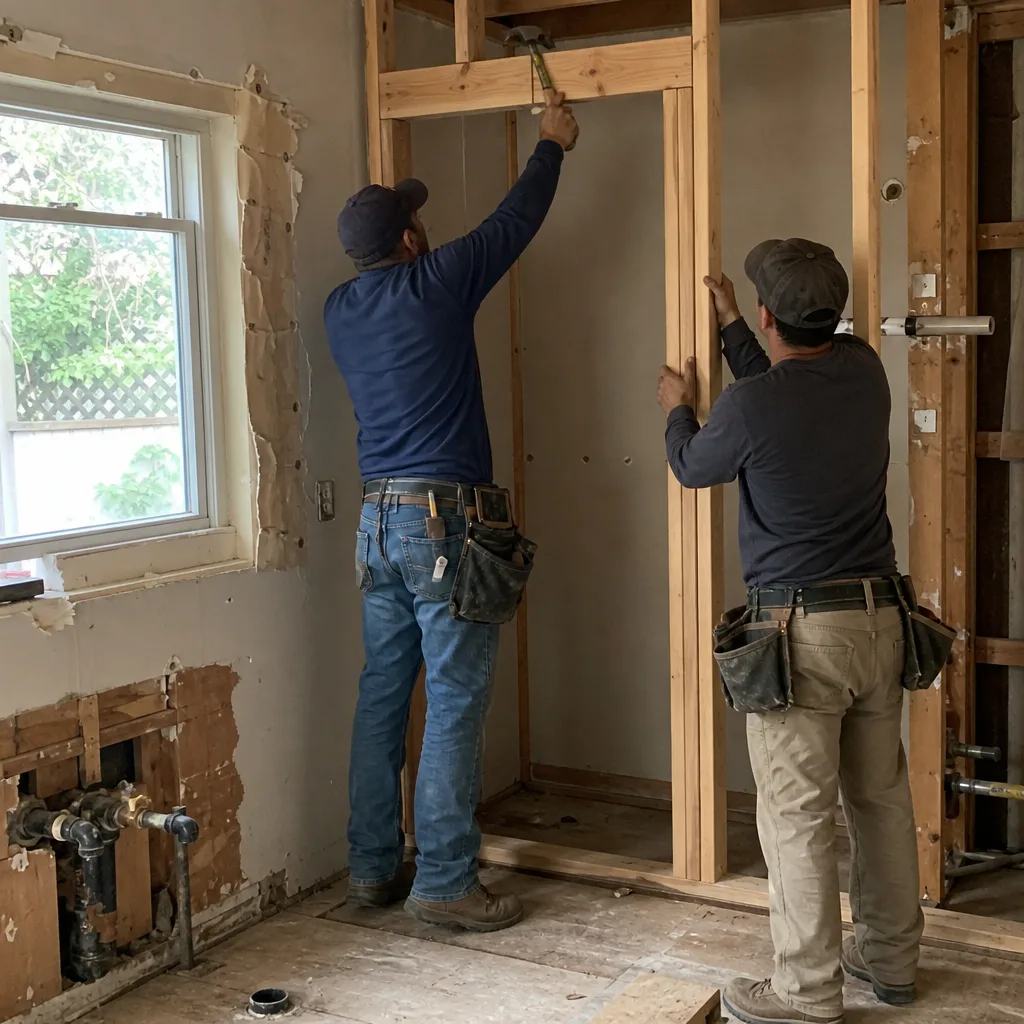
Call a structural or general contractor when: cracks exceed 1/4 inch and are active; floor slope exceeds 1 inch in 20 feet; doors or windows become inoperable over 90 days; or ceiling stains grow despite roof repairs. For help vetting candidates, read our How to Hire a Construction Contractor in Palo Alto: A Step-by-Step Guide. Call an electrician immediately for: repeated breaker trips on the same circuit, warm or discolored outlets, buzzing from switches, or any burning smell. Call a plumber for: water meter movement with all fixtures off, water bills increasing without usage changes, or persistent musty smells under sinks.
Rowan Construction Group Palo Alto offers free estimates in Palo Alto - call (650) 446-9092. We provide a written line-item quote before any work starts, a documented photo record on every visit, and our 365-Day Done Right Promise backed by The Haven Standard. Bring any competitor’s written estimate; we’ll review it line by line at no charge.
Frequently Asked Questions
Hairline crack injection with epoxy or polyurethane runs $400-$800 per crack. Structural repairs for differential settlement, including helical piers or push piers, range $15,000-$60,000 depending on pier count and access. After major work, protect your investment with our Kitchen Remodeling Maintenance Checklist for Palo Alto Homeowners. In Palo Alto’s clay soils, seasonal movement often allows monitoring before committing to pier installation. Call (650) 446-9092 for an exact quote - estimates are free.
No. Under Clause 1 of the Haven Standard, the written price is delivered before any work starts, and no change proceeds without a signed change order. This discipline is why our projects finish within a few percent of the agreed cost across 4,000-plus jobs. The price you approve is the price you pay, unless you request changes and sign for them.
Yes. All work requiring City of Palo Alto permits is permitted, inspected, and signed off. We handle permit application, scheduling, and correction of any inspection items. The permit record becomes part of your property’s documented history, which matters for resale and insurance.
Initial site evaluation takes 60-90 minutes. We measure, photograph, and document crack patterns, floor elevations, and door/window operation. Written findings with line-item repair options follow within 48 hours. Complex hillside or retaining wall conditions may require geotechnical consultation, which we coordinate and quote in writing.
It usually means the sacrificial anode rod in your water heater is reacting with Palo Alto’s chloramine-treated water. The anode protects the tank from corrosion; as it degrades, it produces hydrogen sulfide gas. Replace the anode with an aluminum/zinc alloy rod ($150-$300 service) and flush the tank. The smell is unpleasant but not hazardous. If the smell occurs from cold water too, call for testing - the source may be different.
No. The California Electrical Code does not mandate replacement. The approved remediation is COPALUM crimping or AlumiConn connectors at every termination, performed by a certified electrician. Some insurers require this remediation for coverage continuation. Full rewiring is an option but not a requirement; any contractor proposing it should justify the additional cost in writing against the approved alternative.
The Bottom Line
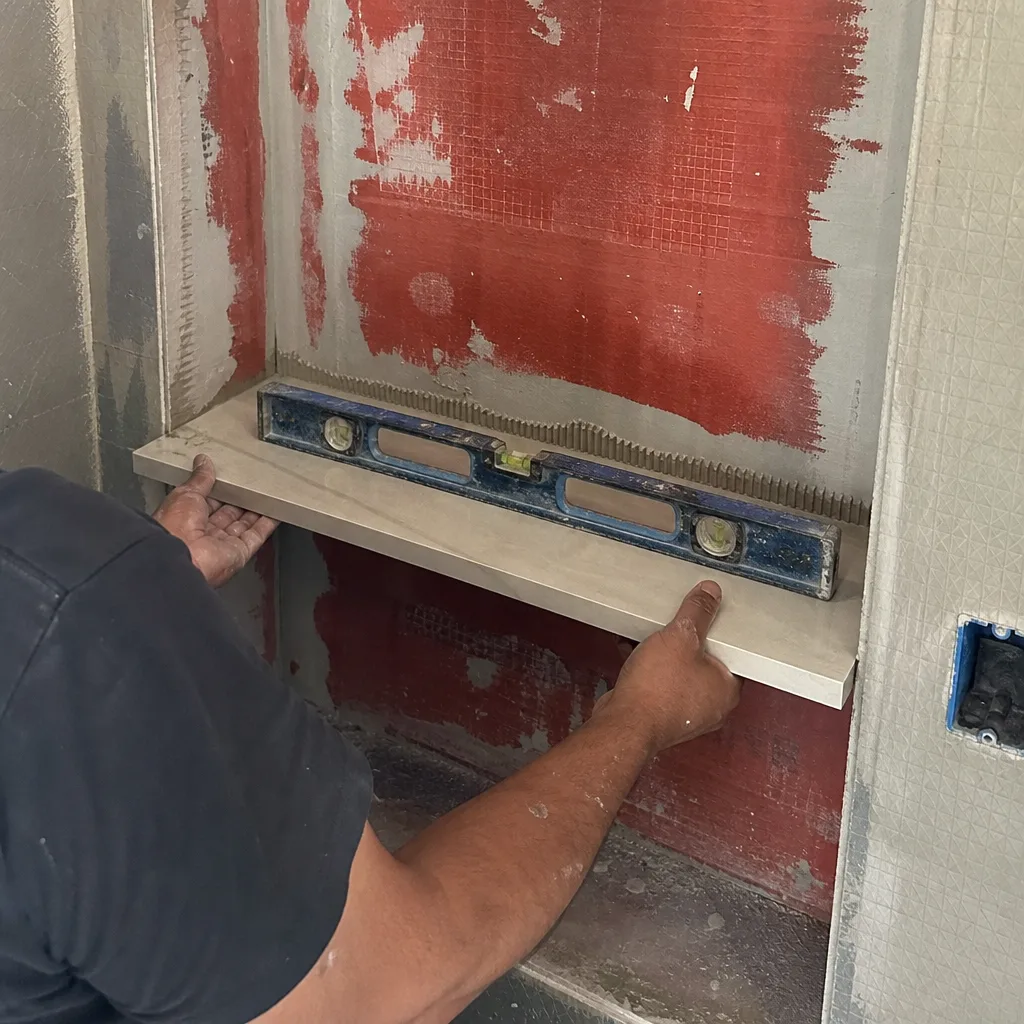
Construction warning signs are evidence, not emergencies by default. The critical skills are classification: width, pattern, and activity for cracks; shape and location for stains; behavior over time for electrical and plumbing symptoms. Palo Alto’s clay soils create seasonal, reversible movement patterns that differ from permanent settlement elsewhere in the Bay Area. Document what you observe, date your measurements, and distinguish between monitoring and action thresholds. When you call a contractor, demand written scope, written price, and proof of documentation - the photo record, the permit, the warranty - before anyone picks up a tool. These disciplines, applied consistently, prevent the expensive error of repairing symptoms while sources progress unseen.
Written by Grant Rowan, Owner at Rowan Construction Group Palo Alto, serving Palo Alto since 2007.