
Last updated September 25, 2026
Free written scope consultation - allowances, timeline, and change-order rules on paper before a single trade is scheduled

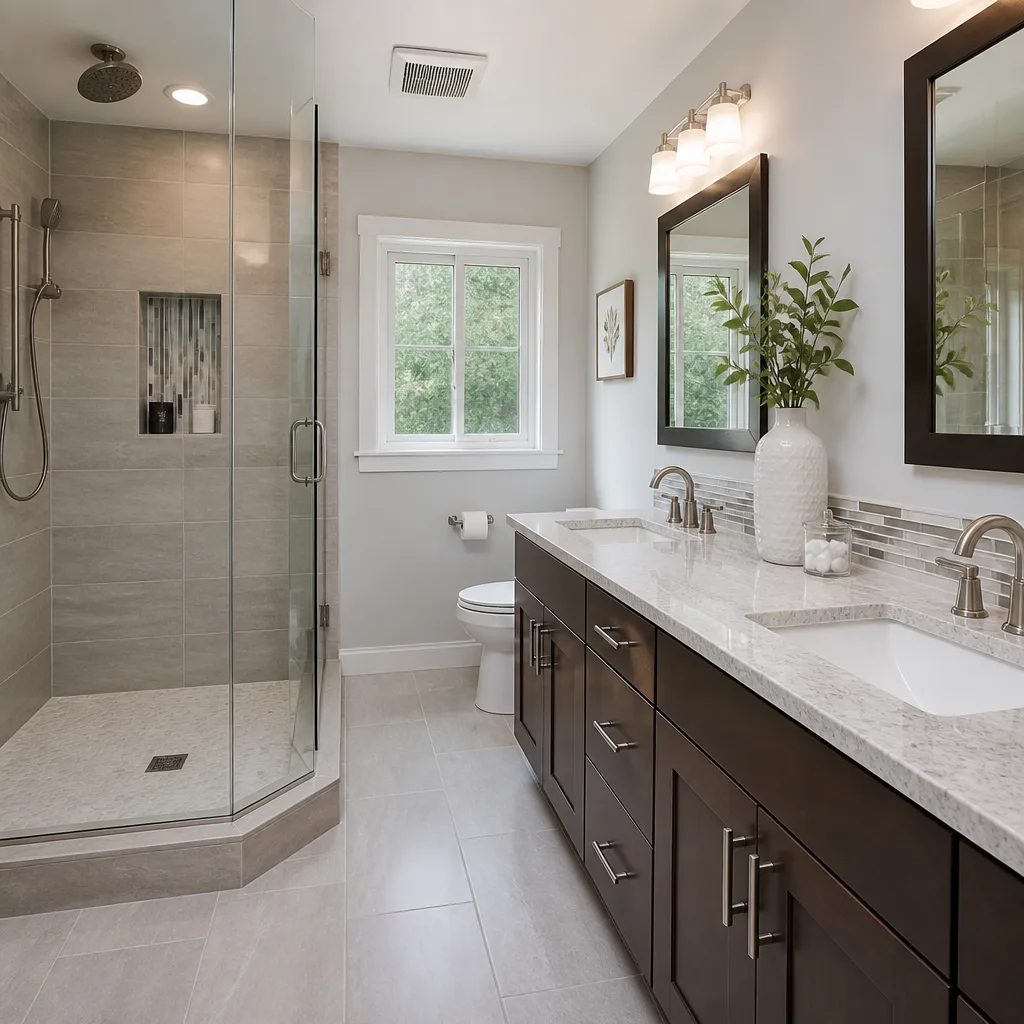





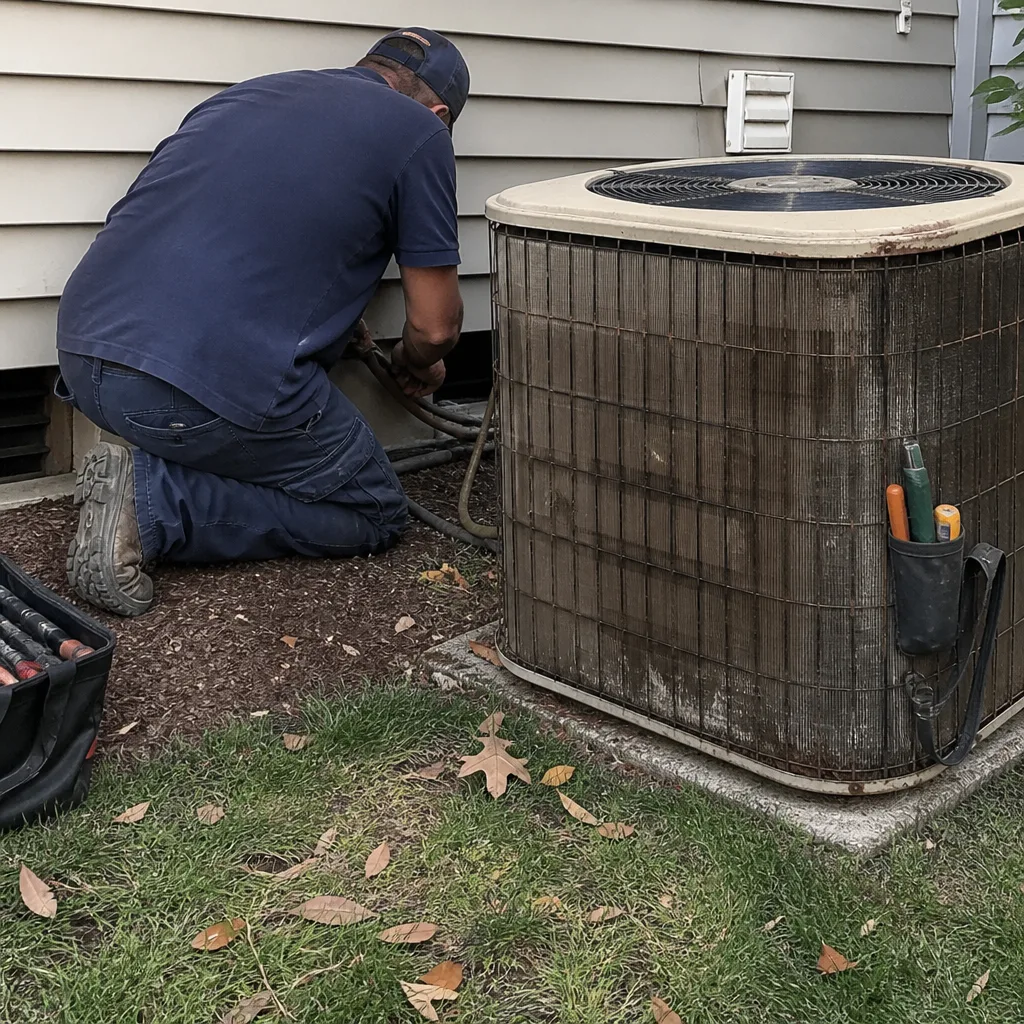 Before
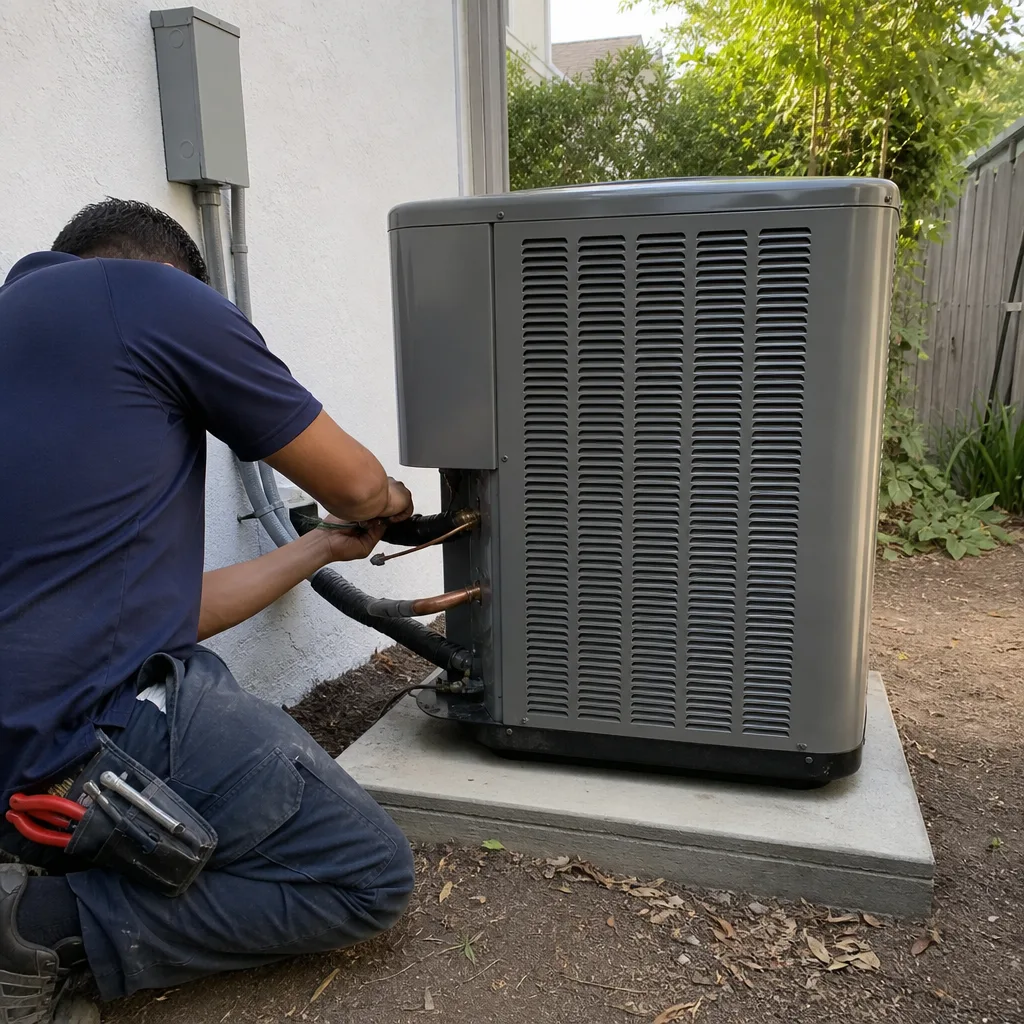 After
After Before
 After
After Before
 After
AfterKitchen Remodeling Maintenance Checklist for Palo Alto Homeowners
Quartz countertops don’t need sealing, but the grout joints between your tile backsplash do - every twelve months with a penetrating silicone sealer. Most remodel contracts hand over a warranty packet and nothing else; this guide hands over the actual schedule. In Palo Alto, where a mid-range kitchen remodel runs between $85,000 and $140,000 and high-end projects regularly cross $200,000, the materials and systems installed during construction - tile grout, cabinet hardware, range hood ductwork, under-sink plumbing connections - each carry a maintenance interval that, if ignored, will cost more than the original line item within five to seven years. We’ve delivered over 4,000 projects since 2007, and the ones that still look new a decade later share one trait: the homeowner had a checklist and followed it.
Quick Answer
A kitchen remodel maintenance checklist for Palo Alto homeowners covers monthly tasks (filter cleaning, surface inspection), quarterly tasks (hinge adjustment, aerator descaling), annual tasks (grout sealing, duct inspection), and multi-year intervals (supply line replacement, cabinet hardware torque checks). Following this schedule protects a six-figure investment against the accelerated wear caused by Bay Area water hardness, coastal humidity cycles, and the cooking loads typical of Palo Alto’s renovation-heavy housing stock. For Seasonal Construction Care for Palo Alto: Year-Round Homeowner’s Guide, see our dedicated resource.
Table of Contents
- The First Year: A Month-by-Month Break-In Schedule
- Countertop Care by Material: What Voids the Warranty
- Cabinet Systems: Hinges, Slides, and Hardware Torque
- Range Hood and Ventilation: Fire Prevention Through Maintenance
- Under-Sink Plumbing: The Eight-Year Supply Line Rule
- Bay Area Water Hardness: Descaling Intervals for Palo Alto Homes
- Common Mistakes to Avoid
- When to Call a Professional
- Frequently Asked Questions
 Before
 After
AfterThe First Year: A Month-by-Month Break-In Schedule
New kitchen materials settle, cure, and acclimate during their first twelve months. Most installation crews leave without communicating this break-in period, and homeowners discover problems only after warranties expire. Here’s the schedule we provide clients in Palo Alto’s Old Palo Alto, Professorville, and Barron Park neighborhoods, where vintage home structures introduce more movement than new construction. For broader context, see The Complete Guide to Construction in Palo Alto.
Months 1-2: Grout Curing and Initial Settlement
Portland cement grout continues to hydrate for 28 days minimum; epoxy grouts cure faster but still off-gas. During this window:
- Avoid harsh cleaners on grout - warm water and pH-neutral soap only. Acids and alkalis at this stage weaken bond strength permanently.
- Run exhaust fans during cooking for 30 days minimum to evacuate grout off-gassing and cabinet adhesive VOCs.
- Check cabinet door alignment weekly. Solid wood doors in Palo Alto’s humidity-swing climate (indoor RH can swing from 35% winter to 65% summer) will shift as they equalize.
- Test drawer slide operation with a loaded drawer - 15 pounds of contents, not empty. Soft-close mechanisms need break-in under realistic load.
Months 3-6: Hardware Torque and Seal Verification
Wood substrate movement and thermal cycling loosen fasteners. At month 3 and month 6:
- Torque-check all visible cabinet screws with a manual screwdriver - power drivers strip heads. Target: snug, not overtightened.
- Inspect silicone sealant at countertop-to-backsplash joints and sink perimeter. Gaps here allow water into the substrate; in Palo Alto’s older homes with original redwood framing, this is how rot starts.
- Operate all plumbing fixtures through full range - garbage disposal, instant-hot, pot filler if installed. Stiff cartridges often free with use; seized cartridges need replacement.
Months 9-12: First Annual Cycle
By month 9, materials have seen a full seasonal cycle. This is when latent installation issues surface:
- Re-torque cabinet hardware - by now, the initial settlement is complete.
- Schedule first grout seal on cementitious grout (not epoxy). Use penetrating silicone sealer, not topical acrylic; acrylics peel and trap moisture.
- Inspect range hood ductwork exterior termination for grease accumulation. Palo Alto’s mature tree canopy (coast live oak, valley oak) can block terminations with debris, compounding grease buildup.
- Document everything with photos. Our crews provide a documented photo record on every visit as standard - included, not optional - and we recommend homeowners maintain their own parallel record.
The first year determines whether your kitchen ages gracefully or develops chronic problems. Under Clause 1 of The Haven Standard, our written scope includes this schedule; most competitors hand over keys and disappear.
Countertop Care by Material: What Voids the Warranty
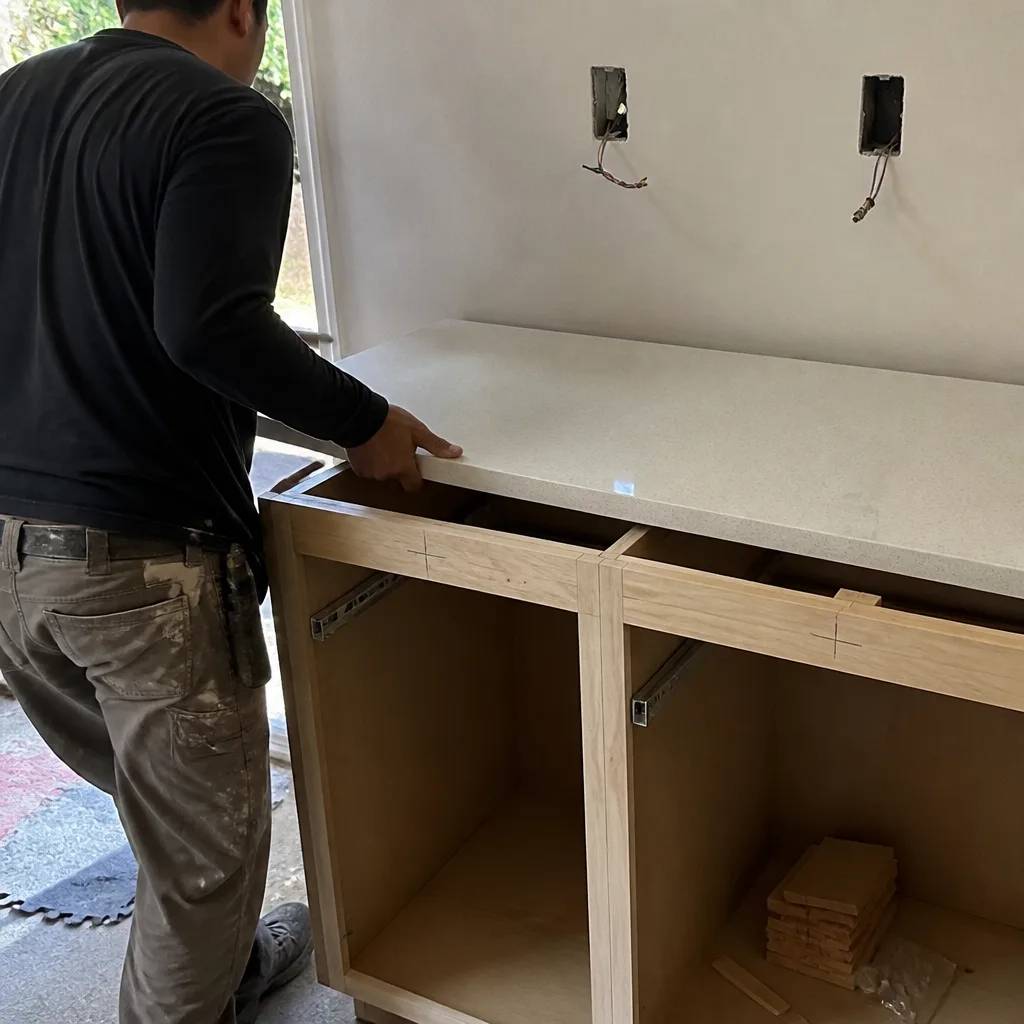
Countertop maintenance is where warranty claims live or die. Manufacturers - Cambria, Caesarstone, Silestone for quartz; various quarries for granite and marble - publish care guides that most homeowners never see. Here’s what actually matters for Palo Alto kitchens, where cooking frequency runs high and water chemistry is specific.
Quartz and Engineered Stone (Cambria, Caesarstone, Silestone)
Quartz is non-porous and does not require sealing. This is its primary selling point. But “no sealing” does not mean “no maintenance”:
- Clean with pH-neutral stone cleaner or mild dish soap. Avoid Windex, 409, and other alkaline or ammoniated products - these degrade the resin binder over time, causing surface haze that cannot be polished out.
- Heat resistance is limited to roughly 300°F for most brands. Trivets are mandatory; thermal shock cracks are not warranty-covered when a hot pan is the cause.
- Direct sunlight through Palo Alto’s typically large south-facing windows can yellow some lighter quartz colors over years. This is UV degradation of resin, not a defect. Use blinds during peak hours if your kitchen has extensive glass.
Natural Stone (Granite, Marble, Soapstone)
Natural stone requires more intervention, and the intervals shorten in hard-water areas:
- Seal granite annually with penetrating fluoropolymer sealer. Test by sprinkling water - if it beads, sealer is intact; if it darkens the stone, reseal immediately.
- Marble etches with acid. Lemon juice, vinegar, tomato sauce - all will leave dull spots. In Palo Alto’s produce-forward cooking culture, this is a lifestyle mismatch for many homeowners. Consider honed (matte) marble, which hides etching better than polished.
- Soapstone darkens with oil application and develops a patina. This is intentional; attempting to maintain uniform color requires monthly oiling and is unsustainable.
Butcher Block and Wood
Wood countertops in Palo Alto face humidity challenges. The Santa Clara Valley’s dry summers and winter heating seasons create wood movement:
- Oil monthly with food-grade mineral oil, not vegetable oil which rancidifies.
- Sand and re-oil any knife marks or stains - this is maintenance, not damage.
- Keep 6-inch clearance from sink edges; water pooling at the seam causes the black rot that ruins wood counters.
Warranty-Voiding Actions Across All Materials
Manufacturers deny claims for: cutting directly on surface (use boards), standing on countertops to reach cabinets, using abrasive powders or scouring pads, and applying wax or polish products not specified by the manufacturer. Document your care routine; if a claim arises, you’ll need evidence of proper maintenance.
Cabinet Systems: Hinges, Slides, and Hardware Torque
Cabinets represent 25-40% of total kitchen remodel cost in Palo Alto - often $25,000 to $55,000 for a full custom or semi-custom install. The mechanical systems are simple but unforgiving of neglect.
Hinge Adjustment
European concealed hinges (Blum, Salice, Grass are the common brands) have three adjustment screws: depth, side-to-side, and up-down. After the first seasonal cycle:
- Open door fully and locate adjustment screws - typically Phillips or Torx T15.
- Check door gap consistency against frame. A gap that narrows at top or bottom indicates hinge sag or frame movement.
- Adjust side-to-side screw first to even the reveal, then up-down to level, then depth for flush fit. Quarter-turn increments; test operation between each adjustment.
- Re-torque the mounting plate screws - these loosen more often than the adjustment screws.
Repeat quarterly for the first year, then annually. In Palo Alto’s older homes with raised foundations and seasonal moisture variation, frame movement is more pronounced than in slab-on-grade construction.
Drawer Slides
Undermount soft-close slides (Blum Tandem, Grass Dynapro) carry 75-100 pound dynamic load ratings. Maintenance is minimal but specific:
- Clean the polymer glide strips annually with damp cloth - no lubricants, which attract dust and degrade the self-lubricating polymer.
- Check front-to-back level with a loaded drawer. Contents shift weight distribution; slides have vertical adjustment cams to compensate.
- Listen for clicking or grinding - indicates slide damage or foreign object in track. Address promptly; damaged slides destroy cabinet boxes when they fail.
Thermofoil vs. Painted Cabinet Boxes
Thermofoil (vinyl-wrapped MDF) is common in budget-conscious Palo Alto remodels, particularly in rental properties and ADU kitchens. It is not maintainable in the same way as painted wood:
- Thermofoil delaminates with heat and moisture. Keep toaster ovens and kettles 3 inches from cabinet faces; steam from dishwashers must vent freely.
- Once delamination starts, it propagates. There is no repair; replacement door is the only fix.
- Painted wood cabinets can be touched up with factory-matched paint. We specify Benjamin Moore Advance or Sherwin-Williams Emerald Urethane for this reason - both allow spot repair that blends acceptably.
Hardware Torque Specifications
Knobs and pulls loosen with use. The correct torque for standard 8-32 machine screws into wood or metal inserts is 15-20 inch-pounds - finger-tight plus quarter turn with a screwdriver. Overtightening strips inserts; undertightening allows rotation that enlarges holes. Check annually; replace stripped inserts with threaded brass versions, not plastic.
Range Hood and Ventilation: Fire Prevention Through Maintenance
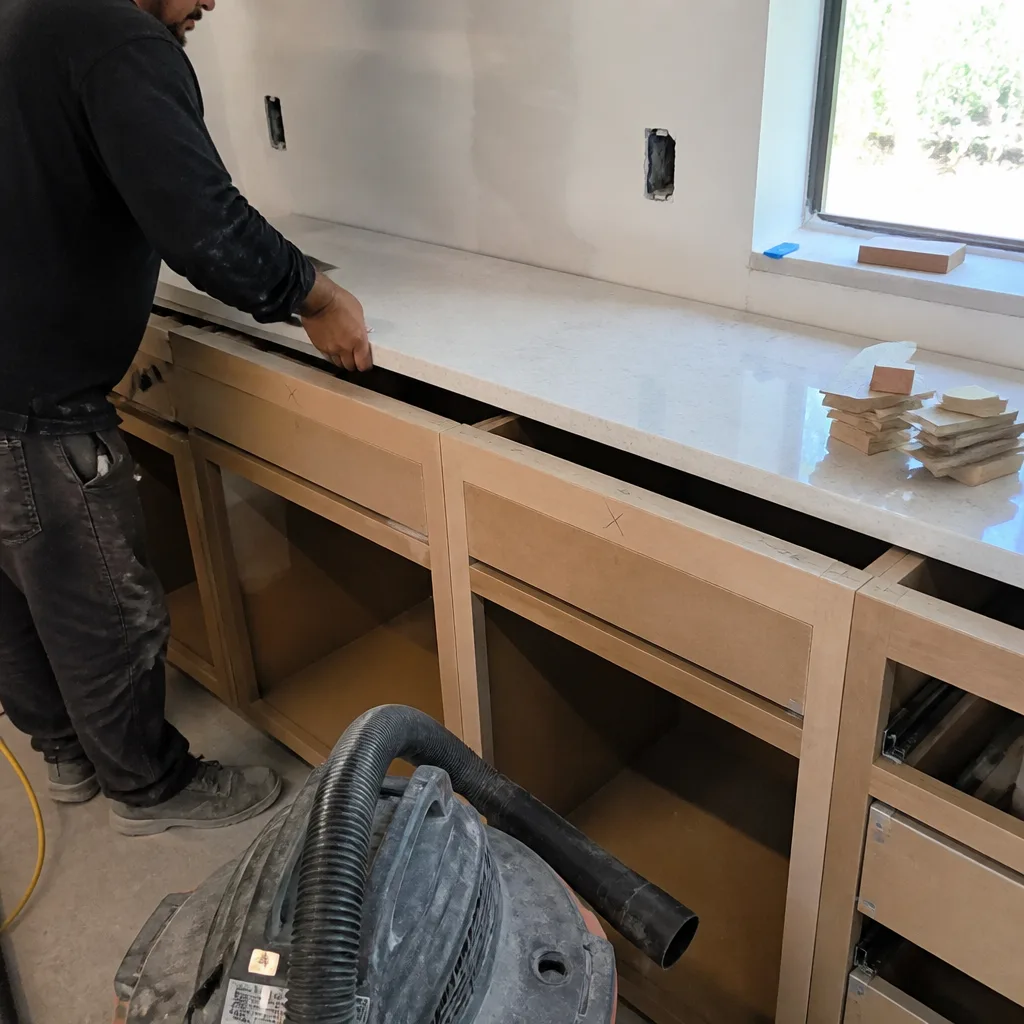
Range hood ductwork is the most neglected maintenance item in residential kitchens, and the most dangerous. Grease accumulation in duct runs is a latent fire hazard that builds silently; the first indication is often a kitchen fire that overwhelms the hood’s suppression capacity.
Grease Filter Cleaning Frequency
Cleaning interval depends on cooking intensity, which in Palo Alto’s food-culture-heavy demographic runs higher than national average:
| Cooking Style | Filter Cleaning | Deep Duct Cleaning |
|---|---|---|
| Light: weekly stovetop, rare frying | Every 3 months | Every 5 years |
| Moderate: daily cooking, occasional high-heat | Monthly | Every 3 years |
| Heavy: frequent wok, deep-fry, grill pan | Bi-weekly | Every 2 years |
Mesh filters clean in dishwasher (top rack, no heated dry) or degreaser bath. Baffle filters (stainless steel commercial style) clean with degreaser and brush - dishwasher warps them. Charcoal filters for recirculating hoods: replace every 6-12 months, not cleanable.
Duct Inspection and Cleaning
Sheet-metal duct runs accumulate grease on interior surfaces regardless of filter efficiency. In Palo Alto, where many homes have 8-12 foot duct runs through attics or soffits to exterior walls, access is the challenge:
- Inspect termination cap annually - look for grease staining on exterior, which indicates blow-by past filters or duct leakage.
- Check duct joints with flashlight from hood end; gaps at seams leak grease into framing cavities. Code requires sealed joints; maintenance verifies seal integrity.
- Professional duct cleaning uses rotary brush and vacuum extraction. Cost in Palo Alto runs $400-$800 depending on duct length and access. This is not a DIY job - ductwork in contact with insulation or structural members requires containment to prevent contamination.
Make-Up Air Considerations
Palo Alto adopted California Title 24 requirements for make-up air on hoods over 400 CFM. If your remodel includes a high-CFM hood, verify the make-up air damper operates - stuck dampers create negative pressure that backdrafts water heaters and fireplaces. Test monthly: operate hood on high, feel for airflow at make-up air grille. No airflow indicates damper failure.
We specify Broan-NuTone and Zephyr hoods with integrated make-up air controls; both provide maintenance schedules in their documentation. Under The Haven Standard, our written scope includes make-up air verification as a commissioning step, not an assumption.
Under-Sink Plumbing: The Eight-Year Supply Line Rule
Braided stainless steel supply lines - the flexible connectors from wall stop to faucet, and from stop to dishwasher, instant-hot, and refrigerator ice maker - have a finite service life. The rubber or EPDM inner tube degrades with chlorine exposure, pressure cycling, and thermal shock. When they fail, they fail catastrophically, releasing full water pressure into cabinet interiors.
The Manufacture Date Stamp
Every braided line carries a manufacture date code, typically stamped on the hex nut or printed on the tag. Decode it:
- Four-digit codes: first two digits are year, second two are week (e.g., “2315” = week 15 of 2023).
- Some brands use Julian date (day of year) or month-year format.
- No date stamp visible? Replace immediately - pre-2010 lines often lack dating and are well past service life.
Replacement Interval
Industry standard is 8-10 years maximum, regardless of appearance. In Palo Alto, where Santa Clara Valley Water District supplies water with free chlorine residual typically 1.0-2.0 mg/L, the oxidative degradation accelerates toward the shorter end. We recommend:
- Locate and photograph all supply line date stamps at project completion - we include this in our documented photo record.
- Calendar replacement at year 8 for standard braided lines, year 10 for premium polymer-core lines (Floodsafe, Dormont).
- Inspect annually for corrosion at fittings, bulging of the braid, or stiffness when flexed. Any of these: replace immediately, don’t wait for scheduled interval.
Garbage Disposal Maintenance
Disposal chambers accumulate grease and calcium scale, particularly in hard-water areas. Monthly: grind ice cubes and citrus peels to scour the grind chamber and freshen. Quarterly: remove the splash guard and clean underside - this is where biofilm builds. Annually: check mounting ring torque and verify dishwasher drain connection clamp is secure; vibration loosens both.
Instant-Hot and Filtered Water Systems
In-sink instant-hot tanks (Insinkerator, Waste King) and under-sink filtration (Reverse Osmosis, carbon block) have their own schedules:
- Instant-hot tanks: drain and descale annually. Scale buildup reduces volume and can trigger overheat shutdown.
- RO membranes: replace every 2-3 years, pre-filters annually. Palo Alto water is moderately hard and carries moderate TDS (total dissolved solids), so membrane life runs toward the shorter end.
- Carbon block filters: 6-12 months depending on capacity rating and household usage.
Bay Area Water Hardness: Descaling Intervals for Palo Alto Homes
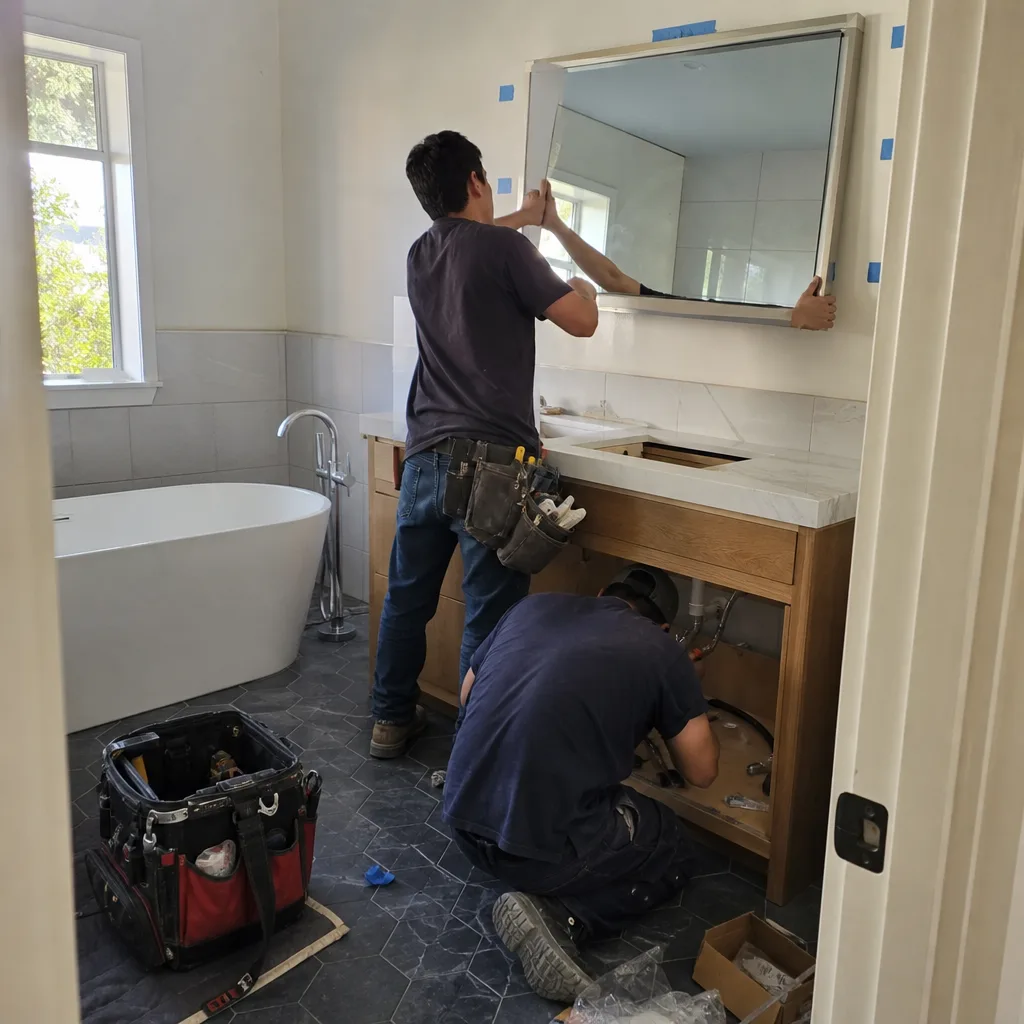
Santa Clara Valley Water District sources include local groundwater, imported State Water Project, and Hetch Hetchy surface water. The blended supply averages approximately 180 mg/L as CaCO3 - moderately hard by national standards, but enough to cause measurable scale accumulation in kitchen systems.
What 180 mg/L Means in Practice
Water hardness is the sum of calcium and magnesium concentrations, expressed as equivalent calcium carbonate. At 180 mg/L:
- 1 grain per gallon (gpg) = 17.1 mg/L, so Palo Alto water runs roughly 10.5 gpg.
- Scale begins forming at 140°F; dishwashers operate at 120-160°F, instant-hot tanks at 190-210°F.
- Aerators and spray nozzles show visible scale in 6-12 months without maintenance.
Descaling Schedule by Component
| Component | Descaling Interval | Method |
|---|---|---|
| Faucet aerators | Every 6 months | Soak in white vinegar 30 min, brush clean |
| Dishwasher spray arms | Every 12 months | Remove arms, soak in vinegar, clear orifices with wire |
| Garbage disposal | Every 3 months | Ice + citrus grind, or dedicated disposal cleaner |
| Instant-hot tank | Every 12 months | Drain, fill with vinegar solution, circulate, flush |
| Steam oven (if installed) | Every 1-2 months | Per manufacturer descaling program with provided agent |
Whole-House Considerations
Some Palo Alto homeowners install water softeners or scale-inhibition systems. If yours does:
- Check salt level monthly for ion-exchange softeners; bridge formation (salt crust over void) is common in humid coast-side storage.
- Template-assisted crystallization (TAC) scale inhibitors: replace media per manufacturer interval, typically 3-5 years or 300,000-600,000 gallons.
- Softened water is not recommended for irrigation; most Palo Alto homes with softeners bypass outdoor lines. Verify your bypass valve operation annually.
We specify plumbing fixtures with ceramic disc cartridges (Kohler, Toto, Grohe) where possible - these tolerate hard water better than compression or washer designs. The cartridge is replaceable as a unit at year 10-15, rather than replacing the entire fixture.
Common Mistakes to Avoid
- Sealing quartz countertops. Quartz is non-porous; sealers form a hazy film that requires professional polishing to remove. This mistake costs $800-$1,500 to correct in Palo Alto.
- Using vinegar on natural stone. The acid etches marble and degrades granite sealer. In a city where homeowners routinely install Calacatta marble at $200+ per square foot, this is an expensive lesson.
- Overtightening cabinet hardware. Stripped inserts spin freely and cannot be repaired without filling and re-drilling. Use a manual screwdriver for final torque, not a drill driver.
- Ignoring the range hood because “it works.” Grease accumulation is invisible from the kitchen. The first sign of trouble is often a fire that starts in the duct run and travels to the attic - particularly dangerous in Palo Alto’s older neighborhoods with original lath-and-plaster fire separations.
- Running instant-hot tanks without annual descaling. Scale reduces volume to a trickle and can trigger the overheat safety, which requires reset or replacement. The tank is typically $400-$600; descaling costs nothing but time.
- Assuming braided supply lines “look fine.” The failure mode is internal rubber degradation, not external corrosion. A line that looks perfect can flood your kitchen at 2 AM. Check the date stamp and replace on interval.
- Neglecting to document maintenance. Warranty claims require evidence of proper care. Our documented photo record on every visit establishes baseline condition; homeowners should maintain their own parallel log for manufacturer submissions.
When to Call a Professional
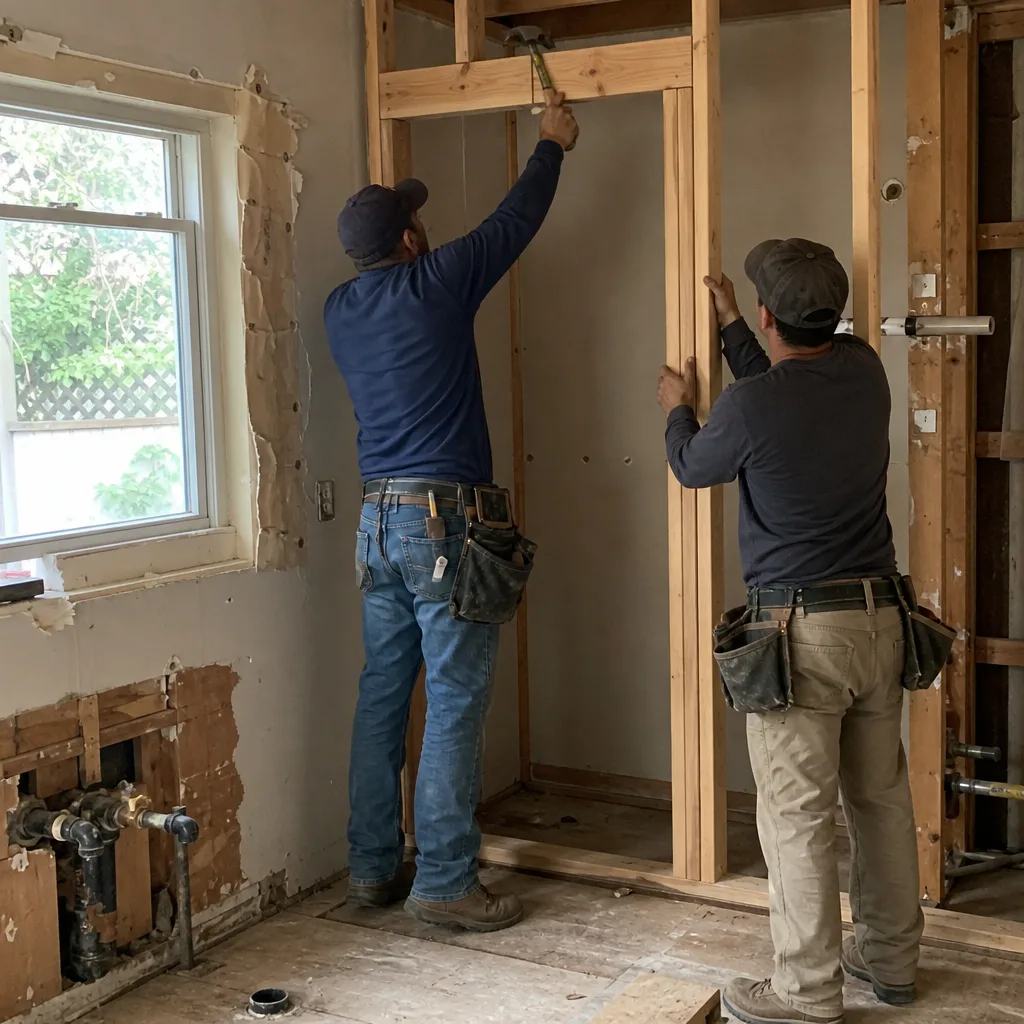
Some maintenance tasks cross into trades work that requires licensing, permitting, or specialized equipment. For more guides & resources, explore our blog. Call a licensed contractor or appropriate trade specialist when: you detect water damage or mold in cabinet interiors (indicates supply line or drain leak requiring repair); range hood ductwork needs cleaning and the run exceeds 6 feet or passes through structural members; cabinet boxes show delamination or frame separation (structural repair, not adjustment); electrical issues arise with garbage disposal, instant-hot, or lighting circuits; or you’re uncertain about any maintenance step and prefer to avoid warranty-voiding errors.
Kitchen Remodeling in Palo Alto by Rowan Construction Group Palo Alto home includes a maintenance briefing as part of project closeout. For existing kitchens not built by us, we offer a Kitchen Remodeling in Palo Alto maintenance inspection - a flat-price visit with written findings and a documented photo record. Call (650) 446-9092 to schedule. Estimates are free, and we provide a Free Second Opinion on any written estimate from another contractor.
Frequently Asked Questions
Annual maintenance for a typical remodeled kitchen runs $300-$800 in materials and DIY labor, or $800-$1,500 if you hire out filter cleaning, duct inspection, and supply line replacement. Major items like professional duct cleaning ($400-$800) occur every 2-5 years, not annually. Call (650) 446-9092 for an exact quote on a maintenance inspection - estimates are free.
Under Clause 1 of The Haven Standard, Rowan Construction Group Palo Alto delivers a written flat price before any work begins, every time. No change proceeds without a signed change order. This discipline has kept our projects within a few percent of the agreed cost across 4,000-plus jobs since 2007. The price you approve is the price you pay.
Correct - quartz is engineered with resin binders that create a non-porous surface. Sealing provides no benefit and creates a hazy residue that requires professional correction. Clean with pH-neutral products and avoid heat damage; that’s the full maintenance requirement.
Palo Alto’s blended supply at roughly 180 mg/L hardness is moderately hard - harder than San Francisco’s Hetch Hetchy supply (approximately 50 mg/L), similar to San Jose’s groundwater-influenced supply, and softer than East Bay Municipal Utility District’s range (120-280 mg/L depending on source mix). Descaling intervals should be slightly more frequent than San Francisco, comparable to Peninsula neighbors.
Short duct runs (under 4 feet, straight vertical) can be cleaned with a rotary brush kit and shop vacuum if you have attic access and proper containment. Longer runs, horizontal runs, or any duct passing through structural members should be handled by a professional with rotary brush extraction equipment and fire-rated containment. In Palo Alto’s older homes with complex attic framing, professional cleaning is the safer choice.
Common warranty voids include: exposure to excessive heat or moisture (dishwasher steam, unvented cooktop); use of abrasive cleaners or solvents; modification of hardware or structure; and failure to maintain proper indoor humidity (typically 30-50% RH). Document your maintenance routine; manufacturers require evidence of proper care for claim approval.
California Title 24 requires make-up air for range hoods over 400 CFM in new construction and significant remodels permitted after 2019. Check your permit documentation, or look for a motorized damper in an exterior wall or soffit near the kitchen, typically 6-10 inches diameter, with a grille on the interior. If your hood exceeds 400 CFM and you cannot locate make-up air, have a professional assess - negative pressure backdrafts are a combustion safety issue.
The Bottom Line
A kitchen remodel in Palo Alto represents one of the largest capital investments most homeowners make. The materials installed - quartz or stone countertops, custom or semi-custom cabinets, professional-grade ventilation, and integrated plumbing - will perform for decades with modest, scheduled maintenance. The alternative is deferred maintenance that converts a $90,000 kitchen into a $40,000 renovation within seven years. This checklist provides the specific intervals, product-compatible methods, and local water-chemistry adjustments that protect that investment. The work is not complex, but it is specific, and the consequences of generality are expensive.
Rowan Construction Group Palo Alto has delivered over 4,000 projects since 2007, every one with a written price before work started and a documented photo record when the crew left. Our 365-Day Done Right Promise - if it is not done right, Rowan makes it right - is printed on every page and backed by a terms page, not an asterisk. For kitchen maintenance inspections, repairs, or a Free Second Opinion on any written estimate, call (650) 446-9092. A live person answers 24/7.
Written by Grant Rowan, Owner at Rowan Construction Group Palo Alto, serving Palo Alto since 2007.