
Last updated September 25, 2026
Free written scope consultation - allowances, timeline, and change-order rules on paper before a single trade is scheduled

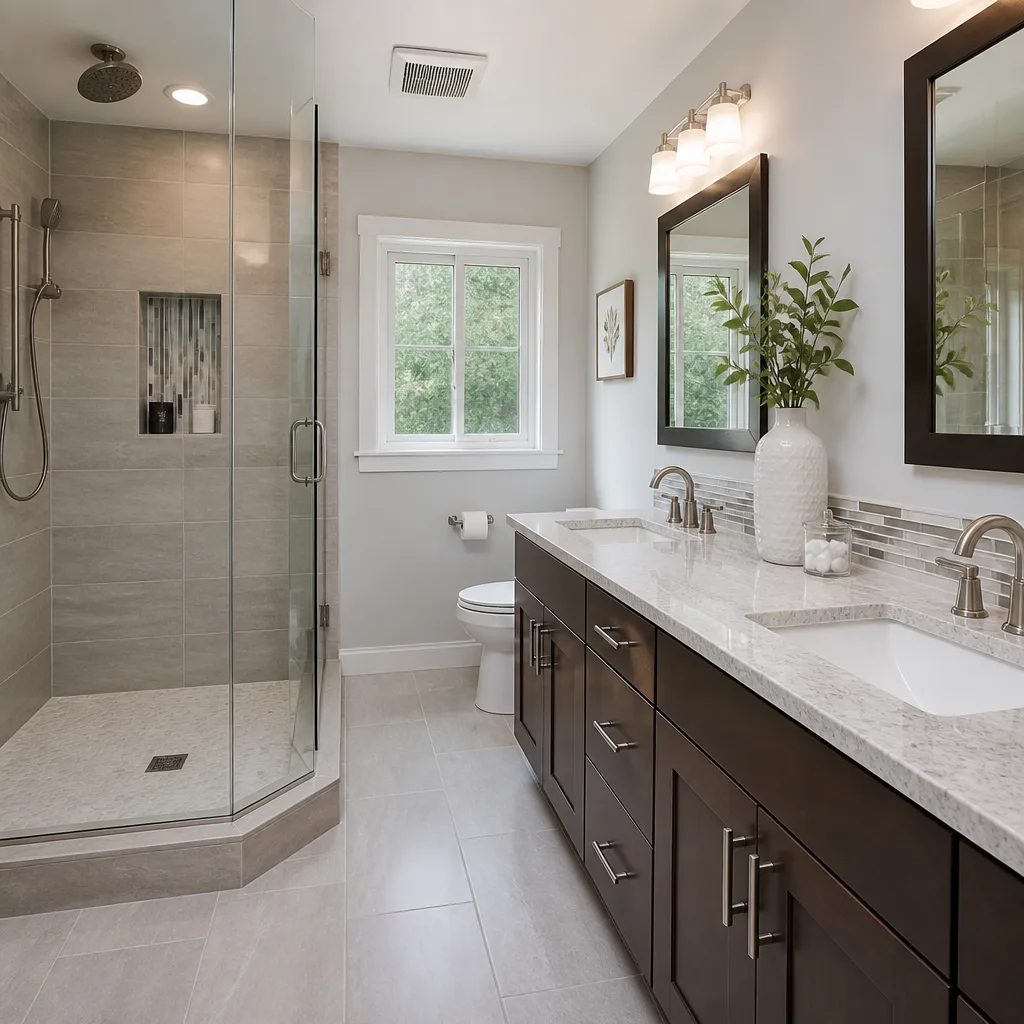
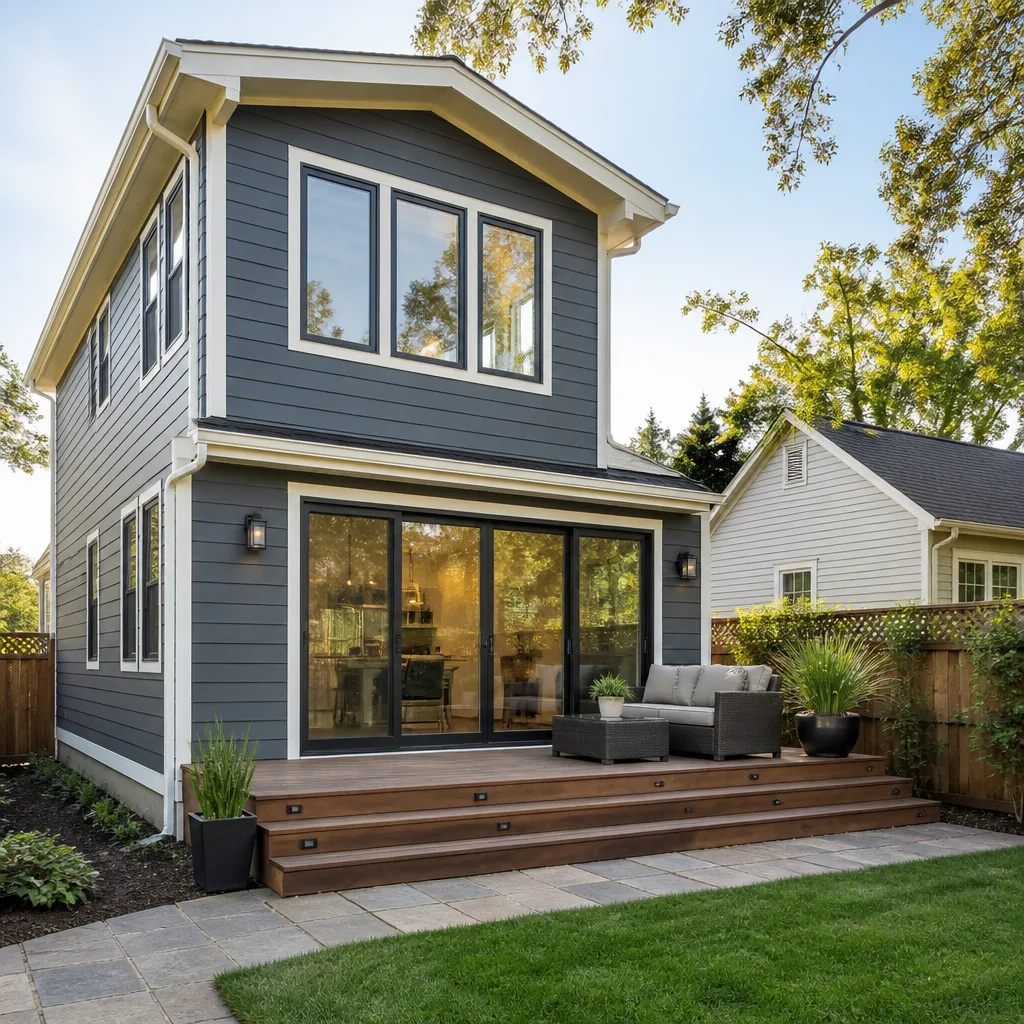
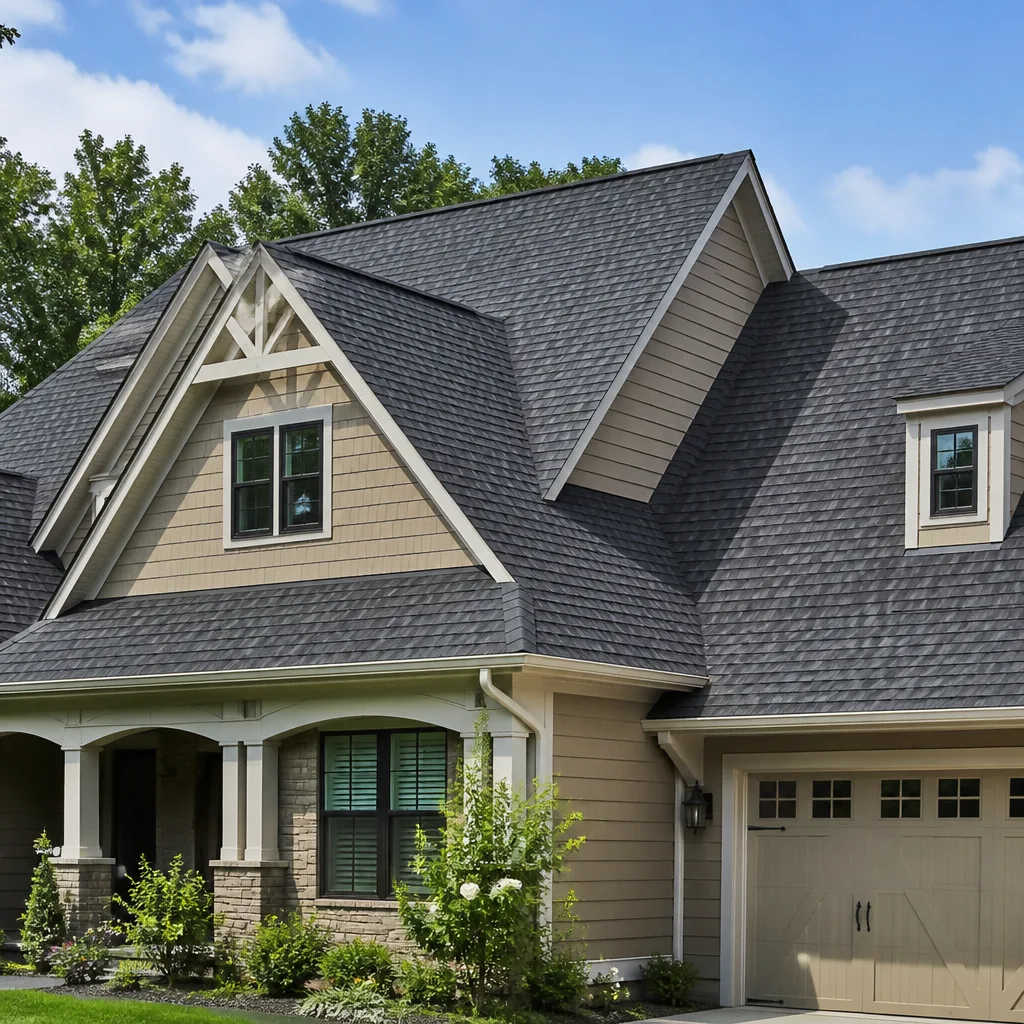
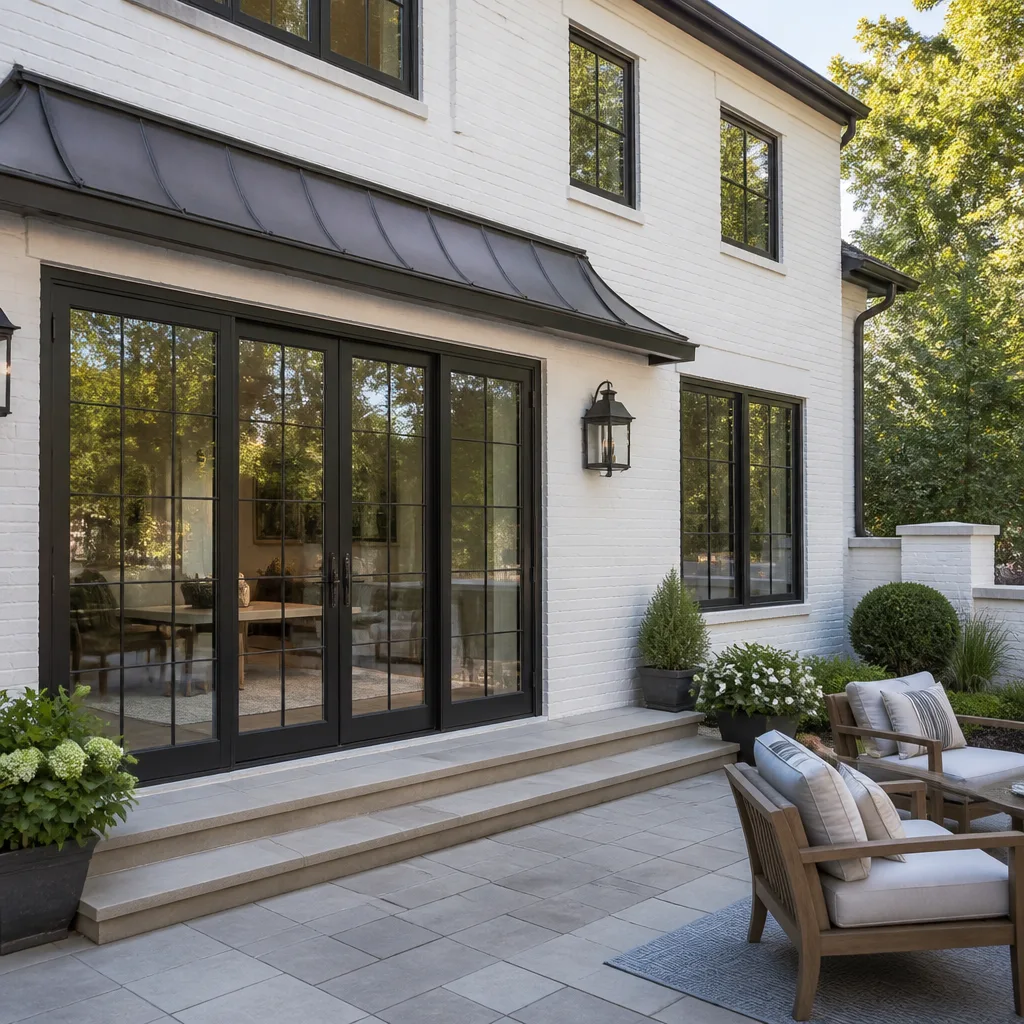
 Before
 After
After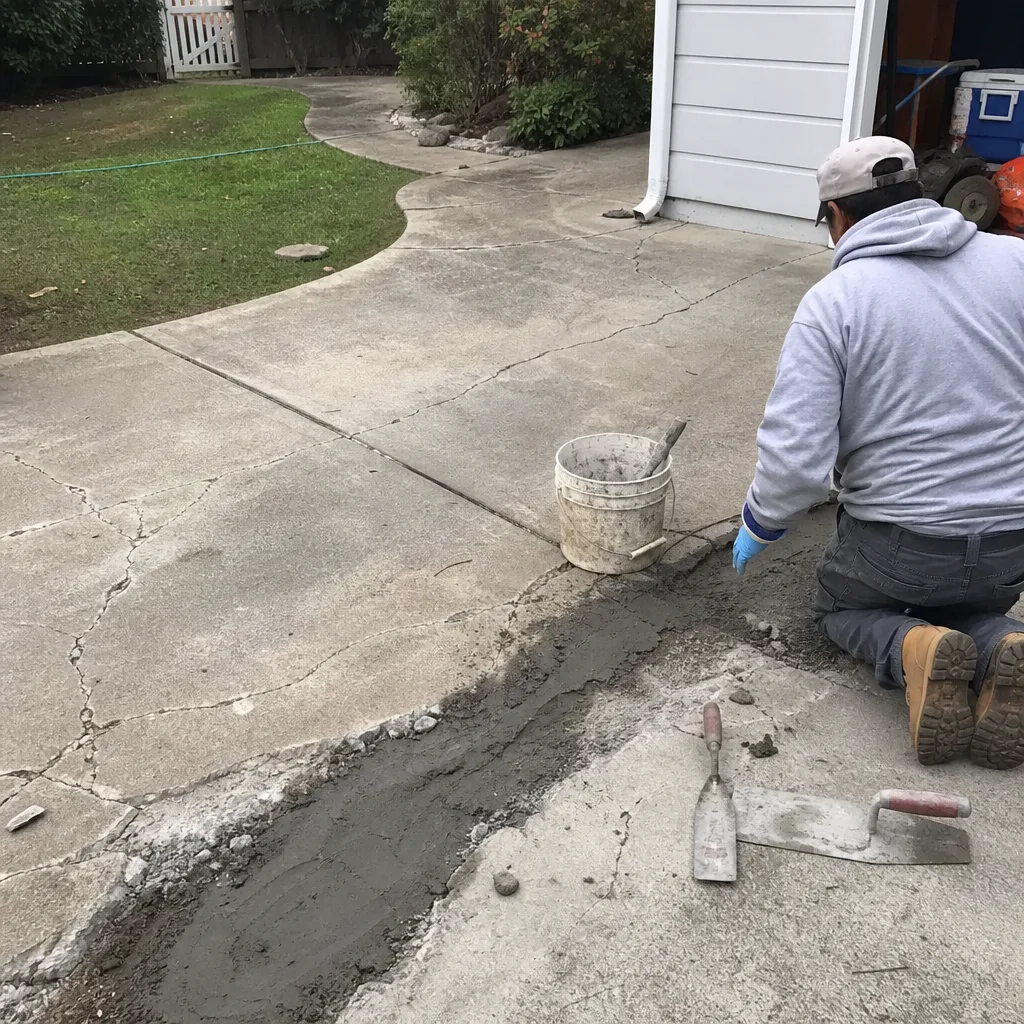 Before
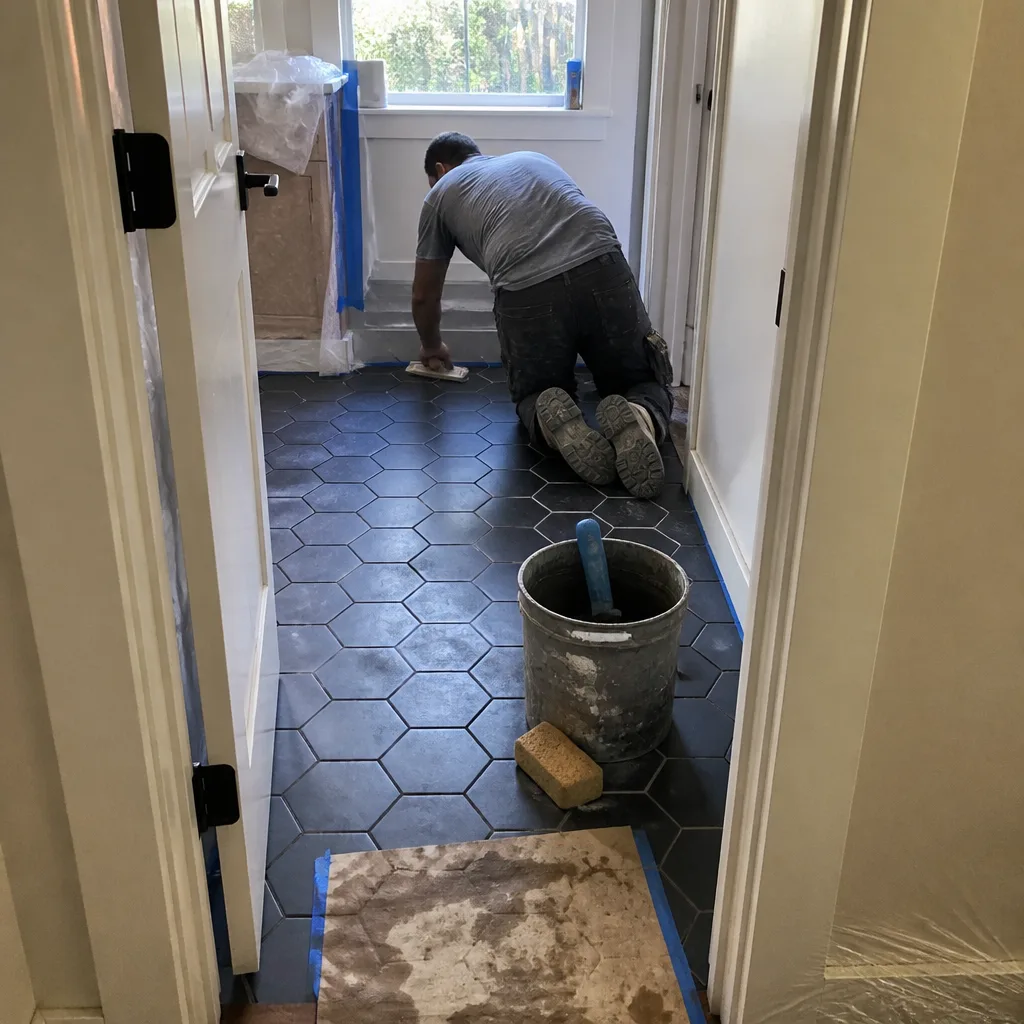 After
After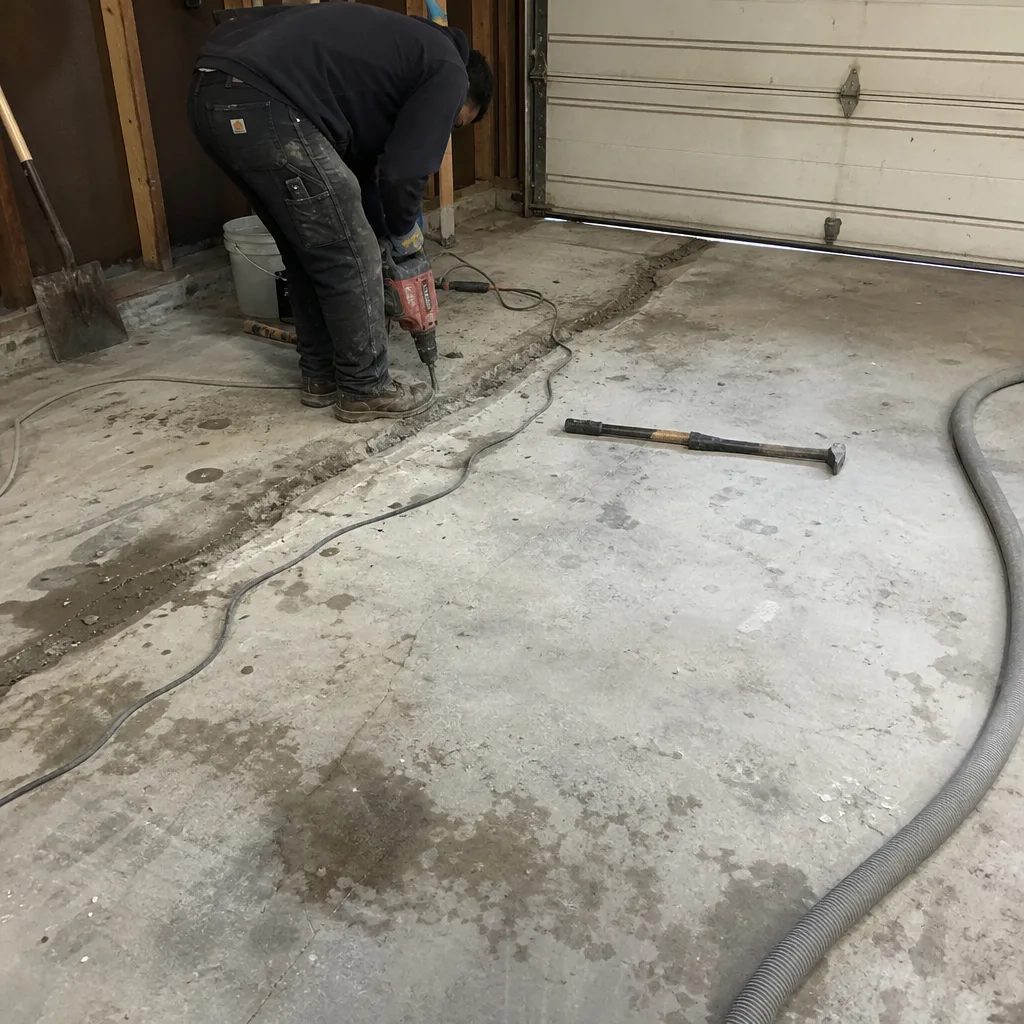 Before
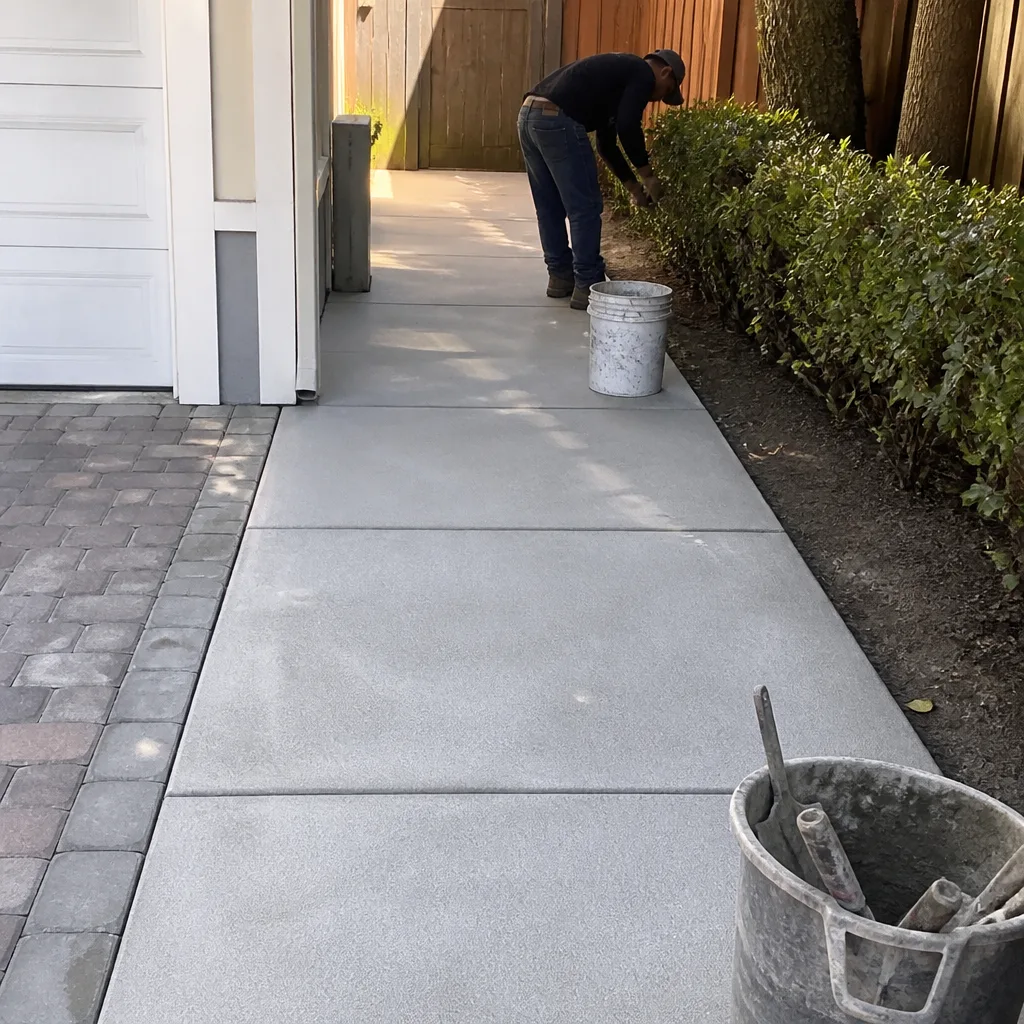 After
AfterSeasonal Construction Care for Palo Alto: Year-Round Homeowner’s Guide
Palo Alto averages only about 15 inches of rain per year, but roughly 80% of it arrives between November and March. That dry-wet pattern trains homeowners to ignore exterior maintenance for nine months straight, then wonder why wood trim rot, roof flashing failures, and concrete spalling all surface during the first significant rain sequence. In our experience across more than 4,000 projects since 2007, the homes that weather this cycle cleanly share one habit: they treat October as the maintenance month that determines whether the rainy season is uneventful. This guide assigns specific inspection and maintenance tasks to each quarter, timed to Palo Alto’s actual weather pattern rather than a national seasonal template. You’ll learn what to check, what to document, and when the work requires a professional with a written scope and price.
Quick Answer
Seasonal construction care in Palo Alto means concentrating exterior maintenance in October before the November-March rainy season, monitoring drainage and flashing during winter rain events, inspecting concrete and wood surfaces in spring after coastal moisture exposure, and addressing UV damage and irrigation-related foundation moisture during the dry summer months. For a deeper look at regional requirements, see our guide to Construction Permits, Codes & Inspections in CA: What You Need to Know. The mild climate here encourages deferral, but the concentrated winter rainfall punishes it.
Table of Contents
- Why October Is the Critical Month in Palo Alto
- Winter Monitoring: Reading Your House During Rain Events
- Spring Recovery: What the Damp Season Leaves Behind
- Summer UV, Irrigation, and Foundation Moisture Swings
- Materials-Specific Maintenance Intervals for Palo Alto Homes
- The Documentation System Every Homeowner Needs
- Common Mistakes to Avoid
- When to Call a Professional
- Frequently Asked Questions
 Before
 After
AfterWhy October Is the Critical Month in Palo Alto
October in Palo Alto is not a gentle transition. The Santa Clara Valley’s thermal pattern produces wide day-night temperature swings, often 30°F or more, while valley oak leaf drop peaks and the first offshore weather systems begin testing every exterior seal. This is the month when wood trim, caulked joints, and roof flashings experience their most demanding thermal cycling before they must hold water.
We recommend a three-part October checklist specific to Palo Alto’s conditions:
- Gutter cleaning timed to valley oak leaf drop. Valley oaks (Quercus lobata), common in Old Palo Alto and the Professorville neighborhood, typically shed between mid-October and early November. Their broad, flat leaves mat densely and overwhelm standard gutter guards. Clean gutters after the majority of leaves have fallen but before the first forecast rain. Check downspout extensions to confirm they discharge at least six feet from foundation walls; Palo Alto’s clay-heavy soils in the Duveneck and St. Francis Wood areas expand dramatically with moisture concentration near the foundation.
- Roof flashing inspection at chimney and skylight bases. The step flashing where roof planes meet vertical walls, and the counter-flashing at chimney penetrations, are the most common leak sources we document in Palo Alto. Look for lifted corners, cracked sealant, or gaps where the flashing meets the masonry. Thermal cycling in October opens these joints wider than they’ll be in cooler winter temperatures, making gaps easier to spot. If you have skylights, check the manufacturer-specific flashing kit; Velux and Fakro units use different termination details, and generic caulk repairs often fail within two seasons.
- Caulk inspection at all exterior wood-to-masonry joints. Window and door trim abutting stucco or brick, fascia where it meets the rake board, and any wood post bases on concrete piers. Use a 5-in-1 tool to probe gently; acceptable caulk will flex, while failed caulk will crumble or separate. In Palo Alto’s dry summers, solvent-release caulks (most polyurethane and some silicone hybrids) shrink and lose adhesion. Replace with a high-quality silicone or silyl-terminated polymer (STPE) sealant rated for 50% joint movement. The cost of a tube and an hour’s work in October versus the cost of replacing rotted window stools in March is not a comparison any homeowner wants to make.
Under Clause 1 of the Haven Standard, any professional inspection we perform in October includes a written photo record of each of these three systems, with annotations. The customer receives this documentation before any work is proposed.
Winter Monitoring: Reading Your House During Rain Events
Palo Alto’s winter rainfall is not distributed evenly. A typical season brings three to five significant storm sequences, each with 24-48 hours of sustained precipitation and occasional south-facing wind exposure. These events reveal problems that are invisible during the dry months. The skill is distinguishing between three different failure modes that produce similar interior symptoms.
Flashing failure typically appears as localized water staining on ceiling drywall, often at ceiling-to-wall intersections or directly below chimney or skylight penetrations. The stain pattern is usually discrete and may appear during the storm or within 24 hours after. In our documentation from Palo Alto homes, flashing failures correlate strongly with south-facing roof planes where wind-driven rain exploits lifted flashing edges.
Gutter overflow produces broader staining patterns, frequently along exterior wall surfaces below gutter runs, and may include water entry at window heads. The distinguishing sign is water streaming from the gutter edge during the storm itself. In neighborhoods with mature canopy, including the tree-lined streets of Old Palo Alto and the Greenmeadow area, gutter overflow during leaf-fall storms is common even on recently cleaned systems. The solution is often larger downspouts (3×4 inch versus standard 2×3 inch) or additional downspout locations, not just more frequent cleaning.
Foundation intrusion appears as slab-edge dampness, efflorescence on garage or basement walls, or in extreme cases, standing water in crawl spaces. Palo Alto’s flat terrain and clay soils slow drainage; in the Adobe Meadow and Charleston Gardens areas, we’ve documented foundation moisture from landscape irrigation misalignment that persists into winter and compounds rainfall. The critical inspection point is the soil grade at the foundation perimeter: it should slope away at 6 inches of fall over 10 feet minimum.
Documentation during winter storms is essential for effective contractor communication. We recommend:
- Photographing stains with a reference object (ruler or coin) for scale
- Noting the storm date, duration, and wind direction
- Recording whether the symptom appeared during rainfall or after cessation
- Marking the location on a floor plan sketch
This documentation transforms a vague “we have a leak somewhere” call into a targeted inspection with a higher probability of first-visit resolution. Our crews arrive with this expectation; every Roofing in Palo Alto project begins with the customer’s documented observations, which we verify and expand with our own photo record.
Spring Recovery: What the Damp Season Leaves Behind
Palo Alto’s winters are freeze-free, which eliminates the spalling damage that concrete and masonry suffer in colder climates. But the coastal-influence moisture pattern, with persistent marine layer and relative humidity cycling between 40% and 90%, creates its own deterioration signature. Spring inspection targets the materials that absorbed moisture without the restorative drying that characterizes inland locations.
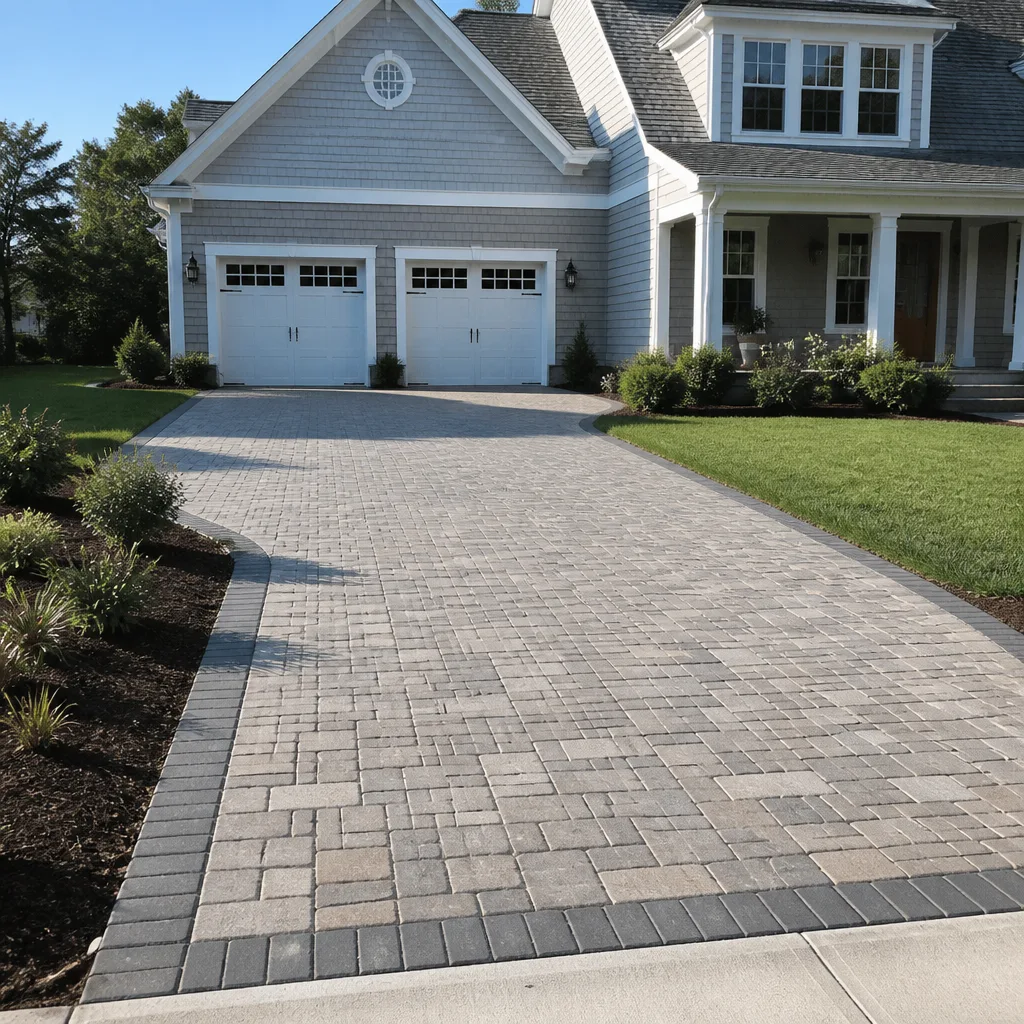
Concrete and masonry inspection. Check driveway, patio, and walkway surfaces for surface scaling, pop-outs, and joint deterioration. Palo Alto’s winter rains, followed by spring sunshine, drive moisture through porous concrete; if the surface was finished with excessive water or inadequate curing, the paste layer weakens and flakes. On paver installations, examine joint sand levels; polymeric sand joints that have eroded allow weed establishment and edge settlement. In our paver and driveway work across Palo Alto, we specify Techo-Bloc or Belgard pavers with joint sand stabilized by a water-activated polymer, which resists the washout that plain sand experiences during concentrated winter rainfall.
Deck wood inspection for surface checking. Redwood and cedar, the dominant deck materials in Palo Alto’s older neighborhoods, develop surface checks (fine longitudinal cracks) as they absorb and release moisture. Spring is when these checks are most visible, before summer drying closes them slightly. Checks wider than 1/8 inch, or checks that penetrate the full thickness of decking boards, compromise the wood’s ability to shed water and accelerate rot in the joist structure below. The inspection should include probing the joist tops and ledger board connection with a screwdriver; soft wood or fungal growth indicates concealed decay that requires professional evaluation.
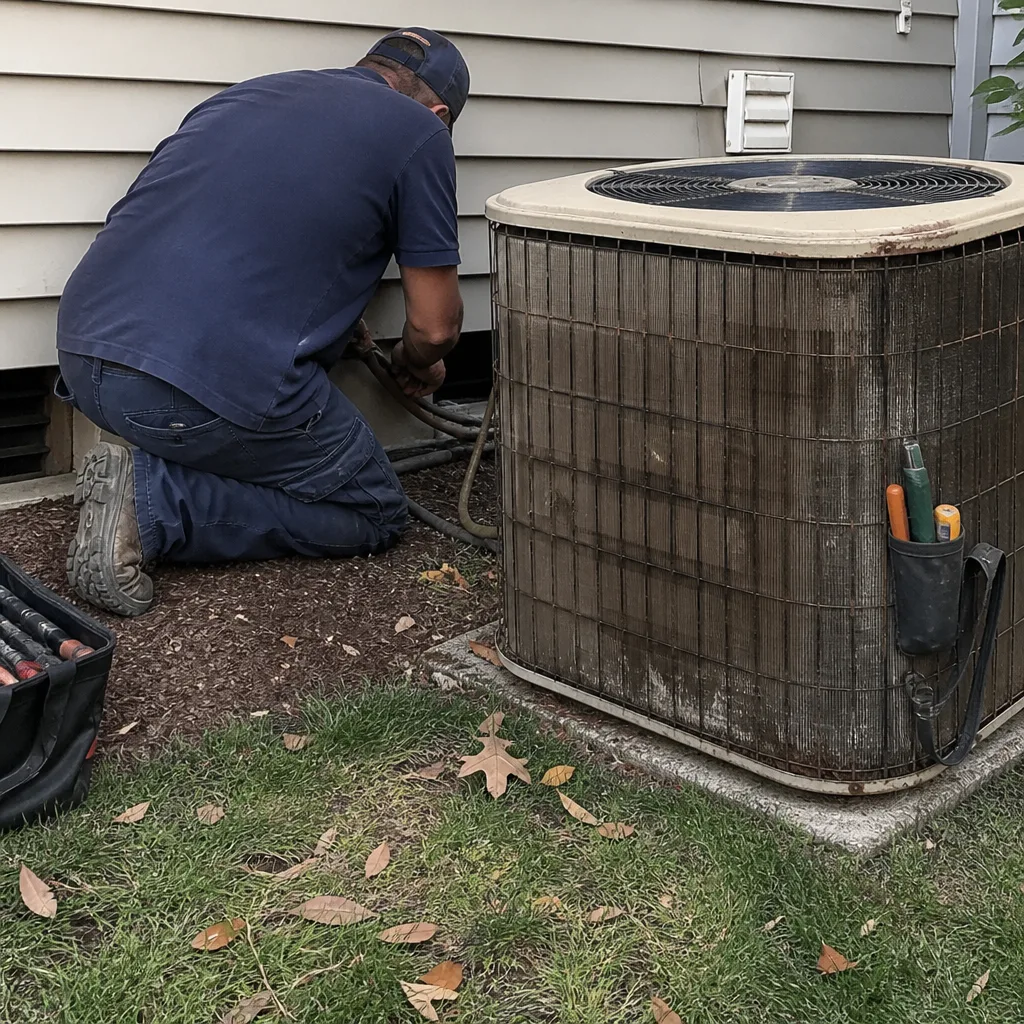
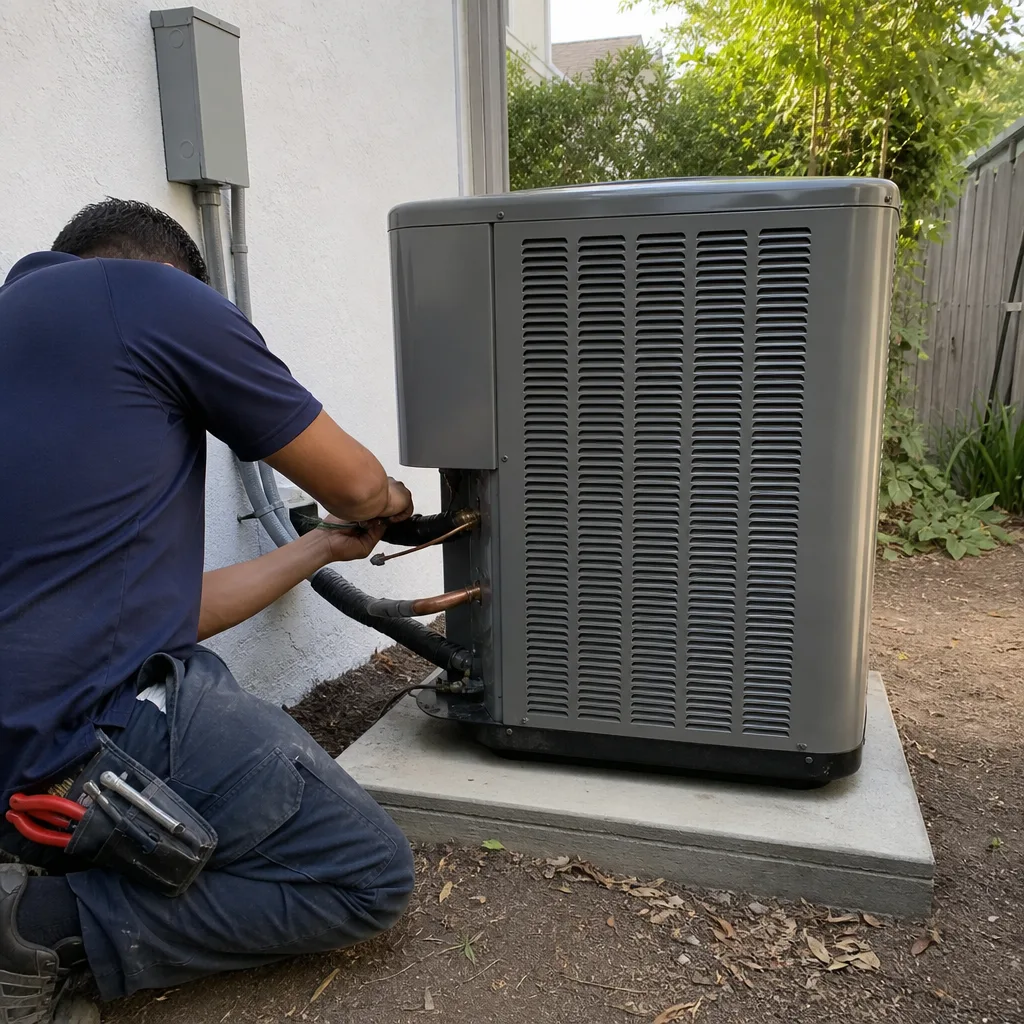
HVAC filter and coil service before cooling season. Not strictly construction, but directly related to the moisture management that protects construction materials. Palo Alto’s cooling season begins gradually in May; coils that operated with dirty filters through winter recirculation mode will be inefficient and prone to condensation-related microbial growth. Clean filters and inspected condensate drains prevent the elevated humidity that exacerbates wood trim deterioration in exterior wall cavities.
For homeowners considering interior projects, spring is the optimal planning period for Kitchen Remodeling in Palo Alto or Bathroom Remodeling in Palo Alto. Permit submission in April or May typically allows construction start after the rainy season, with completion before the following winter. Our written quotes for these projects include phased start dates tied to this calendar logic.
Summer UV, Irrigation, and Foundation Moisture Swings
Palo Alto’s summer climate is often described as mild, which obscures the intensity of UV exposure at this latitude. July and August bring 14-hour days with solar noon angles above 75 degrees. South-facing painted surfaces, particularly wood trim and solid-color stain on fences, degrade faster than homeowners expect because the temperature at the paint film surface can exceed 160°F, accelerating binder breakdown and chalking.
UV inspection protocol. Examine south and west elevations for chalking (rub a dark cloth across the surface; significant pigment transfer indicates binder failure), peeling at edges and joints, and cracking in film-forming finishes. In Palo Alto’s flat terrain with minimal shade, even premium acrylic latex paints on wood trim show degradation at 5-7 years rather than the 8-10 expected in more overcast climates. Fiber cement siding, common in post-1990 construction throughout Palo Alto, holds paint longer but requires attention at caulked joints where the siding abuts windows, doors, and trim. The factory-applied primer on prefinished fiber cement is not a substitute for field-applied finish at cut edges and fasteners.
Irrigation system inspection. Automatic irrigation is the single largest source of foundation moisture variation in Palo Alto’s dry season. Misaligned spray heads, broken drip emitters, or schedule programming that doesn’t account for marine layer days produce soil moisture concentration against foundation walls. The clay soils in the Adobe Meadow, Charleston Gardens, and Duveneck areas expand with this moisture and exert lateral pressure on basement and crawl space walls. Inspect monthly during irrigation season: run each zone manually, observe spray patterns, and verify that no water contacts the foundation or accumulates in low spots within 10 feet of the structure. Adjust schedules for June gloom periods when evapotranspiration is reduced; overwatering during cool, overcast weeks is common and particularly damaging.
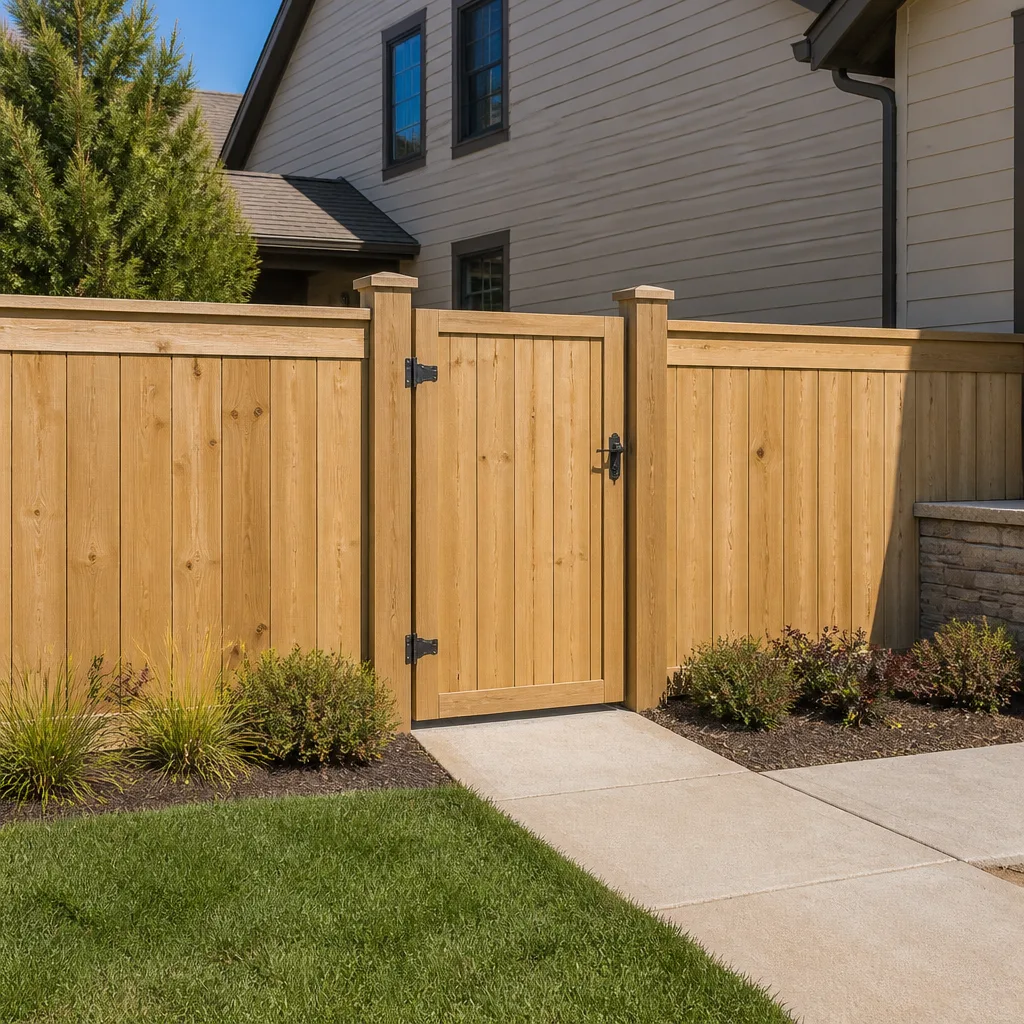
Wood fence post-base inspection during dry season. Fence posts in contact with soil are the most common concealed rot location we find in Palo Alto. Summer dryness makes detection easier: probe the wood at the soil line with a screwdriver; sound wood resists penetration, while decayed wood is soft and fibrous. In our fence installation work, we specify pressure-treated posts set in crushed gravel with a concrete collar above grade, or alternatively, steel posts with wood rail and infill systems from Master Halco or Ameristar for applications where ground contact is unavoidable. For existing wood posts, summer is the season to excavate slightly and apply a brush-on wood preservative to any below-grade wood that shows early decay, or to plan replacement before winter moisture accelerates the damage.
Barrette aluminum and vinyl fencing systems, increasingly specified in Palo Alto for their immunity to this decay cycle, require different summer maintenance: check post caps for secure attachment (UV-degraded plastic caps loosen and allow water entry) and inspect gate hardware for sag, which progresses faster in summer thermal expansion cycles.
Materials-Specific Maintenance Intervals for Palo Alto Homes
The housing stock in Palo Alto spans from early 20th century Craftsman and Spanish Colonial structures through mid-century Eichlers and contemporary construction. Each era favored different exterior materials, and each material demands a maintenance rhythm calibrated to Palo Alto’s specific climate rather than generic national guidance.
| Material | Annual Task | Biennial Task | 5-7 Year Task | Palo Alto-Specific Note |
|---|---|---|---|---|
| Stucco (traditional cement-based) | Visual inspection for hairline cracks, especially at stress points above windows and at floor lines; seal cracks with elastomeric caulk | Full surface wash to remove atmospheric deposits; inspect weep screed at base for obstruction | Recoat with breathable elastomeric coating if chalking or widespread crazing present | Marine layer moisture keeps stucco damp longer than inland locations; efflorescence at base indicates drainage failure, not just cosmetic issue |
| Fiber cement siding (HardiePlank, etc.) | Caulk inspection at all penetrations, joints, and abutments; touch up fastener heads | Pressure wash at low pressure; inspect for swelling at cut edges or water absorption indicators | Repaint field-applied finish; evaluate factory finish on precolored products for chalking | Factory finish on precolored plank often fails first at south-facing elevations in Palo Alto UV exposure |
| Wood trim (redwood, cedar, pine) | Probe for softness at joints and end grain; inspect paint film for failure | Spot prime and repaint failed areas; replace individual boards showing decay | Full repaint or restain; evaluate structural connection if decay has progressed into framing | Valley oak canopy increases leaf litter accumulation in joints; clean before winter |
| Concrete tile roofing (Monier, Eagle, etc.) | Gutter and valley cleaning; visual tile inspection for breakage or slippage | Inspect underlayment at exposed areas (broken tiles, ridge gaps); replace individual tiles | Evaluate mortar bedding at ridges and hips; consider full underlayment replacement if age exceeds 25 years | Palo Alto’s clay tile tradition means many roofs exceed 50 years; underlayment is the life-limiting component, not the tile |
| Composition shingle (GAF, Owens Corning, etc.) | Gutter cleaning; ground-level inspection for granule loss, lifted tabs, missing shingles | Roof-level inspection of flashings, valleys, and penetrations; clear moss if present | Full replacement if granule loss exposes asphalt mat, or if any curling/clawing present | South-facing slopes in Palo Alto show accelerated granule loss; inspect from ladder, not just ground |
This table reflects our documentation from projects across Palo Alto’s varied neighborhoods. The maintenance intervals assume no prior deferred maintenance; homes with unknown history should receive a professional assessment that establishes baseline condition before any interval schedule is adopted.
The Documentation System Every Homeowner Needs
The homeowners who avoid the deferred-maintenance trap share a practice that costs nothing and saves thousands: they maintain a simple property file with dated photographs, observation notes, and contractor correspondence. This is not elaborate. A cloud folder per calendar year, with subfolders by season, suffices.
We structure our documentation for customers as follows, and recommend homeowners adopt the same logic for their own observations:
- Condition record. Wide shots of each elevation, roof plane, and significant hardscape area, taken from consistent locations. These establish baseline and make year-over-year comparison possible. Date-stamp automatically via phone camera settings.
- Detail photographs. Close-ups of specific conditions: the crack pattern in stucco, the gap at a flashing, the surface check in deck boards. Include a scale reference and annotate the location on a sketch or marked photograph.
- Observation log. Brief dated notes: “October 15, gutter overflow at northeast corner during 0.8 inch storm; downspout clear, gutter has 1 inch standing water, likely inadequate slope.” This transforms a vague memory into actionable information.
- Contractor documentation. Written quotes, signed change orders, completed warranty cards, and inspection reports. Under the Haven Standard, every Rowan project delivers this as standard; homeowners should demand equivalent documentation from any contractor they engage.
The photo record we provide on every visit is formatted for this system. Customers receive their images within 24 hours of any Rowan Construction Group Palo Alto home service call, with locations noted and conditions described in plain terms. This documentation becomes evidence if a warranty claim arises, and it informs future maintenance decisions with facts rather than recollection.
Common Mistakes to Avoid
- Waiting for visible interior damage before inspecting exteriors. By the time water stains appear on drywall, the concealed damage in sheathing, insulation, and framing often exceeds the visible repair cost by a factor of three. In Palo Alto’s mild climate, exterior problems progress slowly and silently until a rain event forces them into view.
- Pressure washing stucco or fiber cement at high pressure. The satisfaction of immediate cleanliness is outweighed by the damage to surface integrity. Stucco’s cementitious skin erodes; fiber cement’s factory finish delaminates. Use low pressure and wide fan tips, or better, a soft wash with appropriate detergents.
- Applying caulk over old caulk without full removal. The new material bonds to the failed material, not the substrate. In Palo Alto’s thermal cycling, this “caulk sandwich” fails within one season. Full removal with a hook blade or oscillating multi-tool is the only reliable preparation.
- Ignoring irrigation schedule during June gloom. The automatic system’s default schedule does not account for marine layer moisture and reduced evapotranspiration. Running a summer schedule in cool, overcast June weeks saturates soil against foundations and promotes the very moisture problems that winter rains then exploit.
- Assuming fiber cement siding is maintenance-free. The material is durable, but the paint film and caulked joints are not. Pre-finished products require eventual repainting; field-finished products require attention to cut edges and fasteners. “Maintenance-free” is a marketing claim, not a material property.
- Neglecting to document conditions before and after contractor work. Without dated photographs, disputes about pre-existing damage versus work-related damage devolve into unsupported assertion. Our standard photo record eliminates this ambiguity; homeowners should maintain equivalent documentation for any work they engage.
- Deferring fence post replacement until visible lean occurs. By the time a post leans, the decay typically extends below grade and has compromised the concrete footing’s integrity. Summer inspection with a screwdriver probe catches decay two to three years before structural failure, when post replacement is straightforward rather than requiring full panel reconstruction.
When to Call a Professional
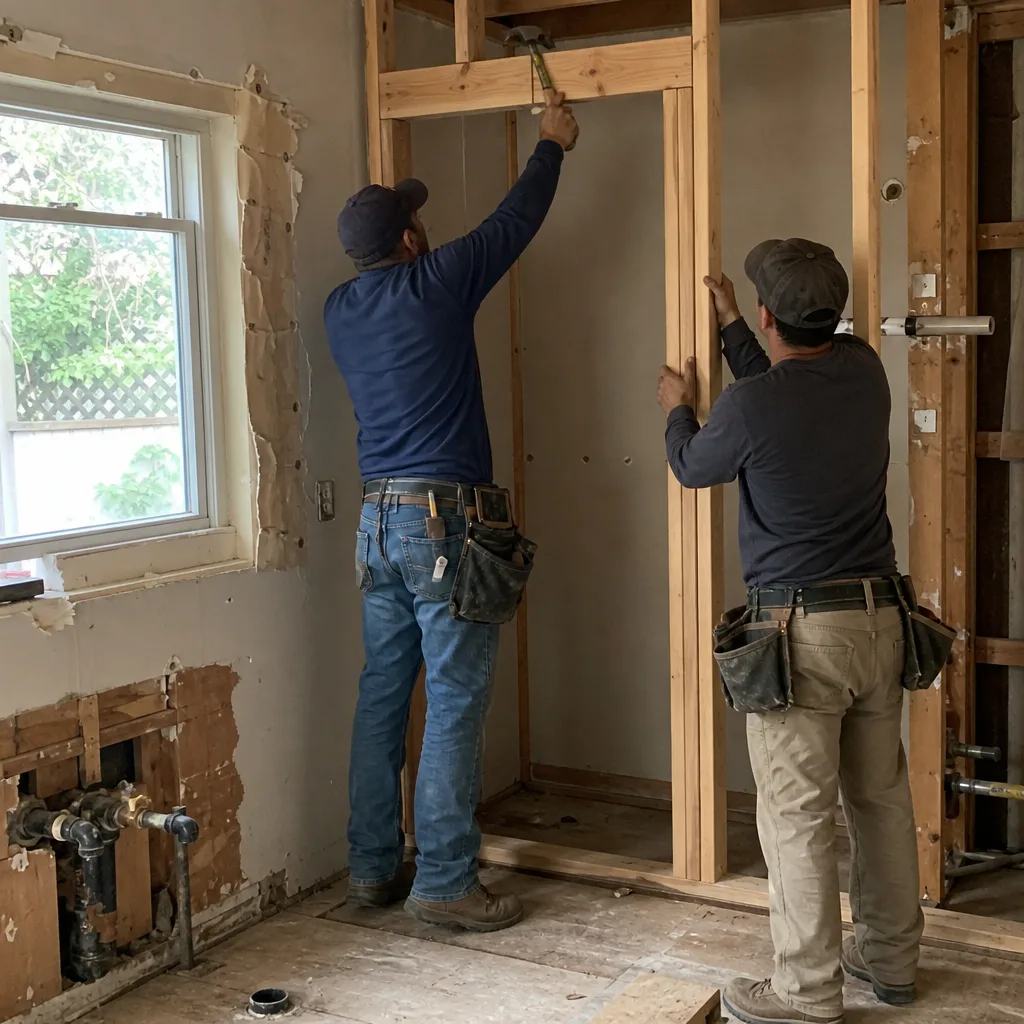
Certain conditions exceed homeowner inspection and repair capability, and attempting them risks injury or concealed damage. Roof work on slopes greater than 4:12, electrical troubleshooting in wet locations, and any work involving load-bearing structural elements require licensed professionals. In Palo Alto, contractors pulling permits for roofing, window replacement, or structural modifications must demonstrate current CSLB licensure and workers’ compensation coverage.
Call a professional when: water stains expand between rain events (indicating active leakage, not past damage); you observe sagging in roof planes, floors, or decks; cracks in stucco exceed 1/8 inch and show displacement (stepping) rather than simple shrinkage; or any wood member probes soft to a screwdriver and shows fungal growth. These are not maintenance items; they are symptoms of progressive failure that accurate diagnosis and repair scope.
Rowan Construction Group Palo Alto offers free estimates in Palo Alto. Every estimate includes a written price before any work starts, a documented photo record of conditions found, and a clear statement of what the quoted price includes and excludes. For more guides & resources on maintaining your home, explore our blog. Call (650) 446-9092 to schedule.
Frequently Asked Questions
Professional seasonal maintenance inspection and basic service (gutter cleaning, caulk renewal, roof and exterior inspection) for a 2,500 square foot Palo Alto home typically ranges from $800-$1,400 annually, with additional costs for material-specific repairs such as stucco crack repair, deck board replacement, or fence post treatment. See our Construction Cost Breakdown: The Palo Alto Homeowner’s Reference for 2026 for detailed pricing context. The cost of deferred maintenance, measured in water damage repair, rot replacement, and premature material failure, typically exceeds this by five to ten times over a ten-year period. Call (650) 446-9092 for an exact quote on your specific property - estimates are free.
No. Under Clause 1 of the Haven Standard, the price Rowan provides in writing before work starts is the price you pay. If our inspection reveals conditions not visible during the estimate, we document them, provide a revised written quote for the additional scope, and no additional work proceeds until you sign a change order. This discipline is why our projects finish within a few percent of the agreed price across 4,000-plus jobs.
Pure maintenance - gutter cleaning, caulk replacement, painting, irrigation adjustment - does not require permits. Repair or replacement of roofing, windows, siding, or structural elements may trigger Palo Alto’s building permit requirements, particularly if the work involves changes to the building envelope or structural members. We pull all required permits as standard practice and schedule inspections; the permit cost and coordination time are included in our written quote, not added later.
Palo Alto’s clay soils, particularly in the Adobe Meadow and Charleston Gardens areas, expand with moisture absorption and contract with drying. This seasonal movement stresses foundation walls and slab edges. The critical maintenance practice is consistent moisture management: gutters that discharge well away from the foundation, irrigation that never wets the foundation perimeter, and soil grade that slopes away from the structure. Summer over-irrigation followed by winter rain concentration produces the most damaging moisture cycles.
Concrete tile roofing, common in Spanish Colonial and Mediterranean-influenced Palo Alto architecture, typically exceeds 50 years for the tile itself, though the underlayment beneath requires replacement at 20-30 years. Composition shingles from GAF or Owens Corning with proper attic ventilation achieve 25-30 years in Palo Alto’s mild, freeze-free climate, though south-facing slopes show accelerated granule loss. The longevity determinant is rarely the material; it’s the quality of installation, particularly flashing details and attic ventilation, and the consistency of maintenance.
Photograph from consistent locations with date stamps; include scale references in detail shots; note storm dates, durations, and observed symptoms; and mark locations on a floor plan or elevation sketch. Provide this documentation when requesting estimates. Our crews begin every project with the customer’s observations, verify them with our own inspection and photo record, and return the combined documentation as a standard deliverable. The goal is eliminating ambiguity about what was found, what was done, and what remains to be monitored.
The Bottom Line
Palo Alto’s mild climate is a maintenance trap. The long dry season encourages deferral; the concentrated winter rainfall punishes it. The homeowners who avoid the cycle of simultaneous, expensive failures treat October as their critical maintenance month, monitor intelligently through winter storms, inspect for moisture damage in spring, and manage UV exposure and irrigation discipline through summer. For a comprehensive overview of local building practices, read The Complete Guide to Construction in Palo Alto. The documentation habit - dated photographs, observation logs, and written contractor records - transforms reactive emergency repair into planned, budgeted maintenance. For any condition that exceeds your inspection capability or repair comfort, Rowan Construction Group Palo Alto provides written quotes before work starts, documented photo records on every visit, and the 365-Day Done Right Promise backed by The Haven Standard.
Written by Grant Rowan, Owner at Rowan Construction Group Palo Alto, serving Palo Alto since 2007.