
Last updated September 24, 2026
Free written scope consultation - allowances, timeline, and change-order rules on paper before a single trade is scheduled
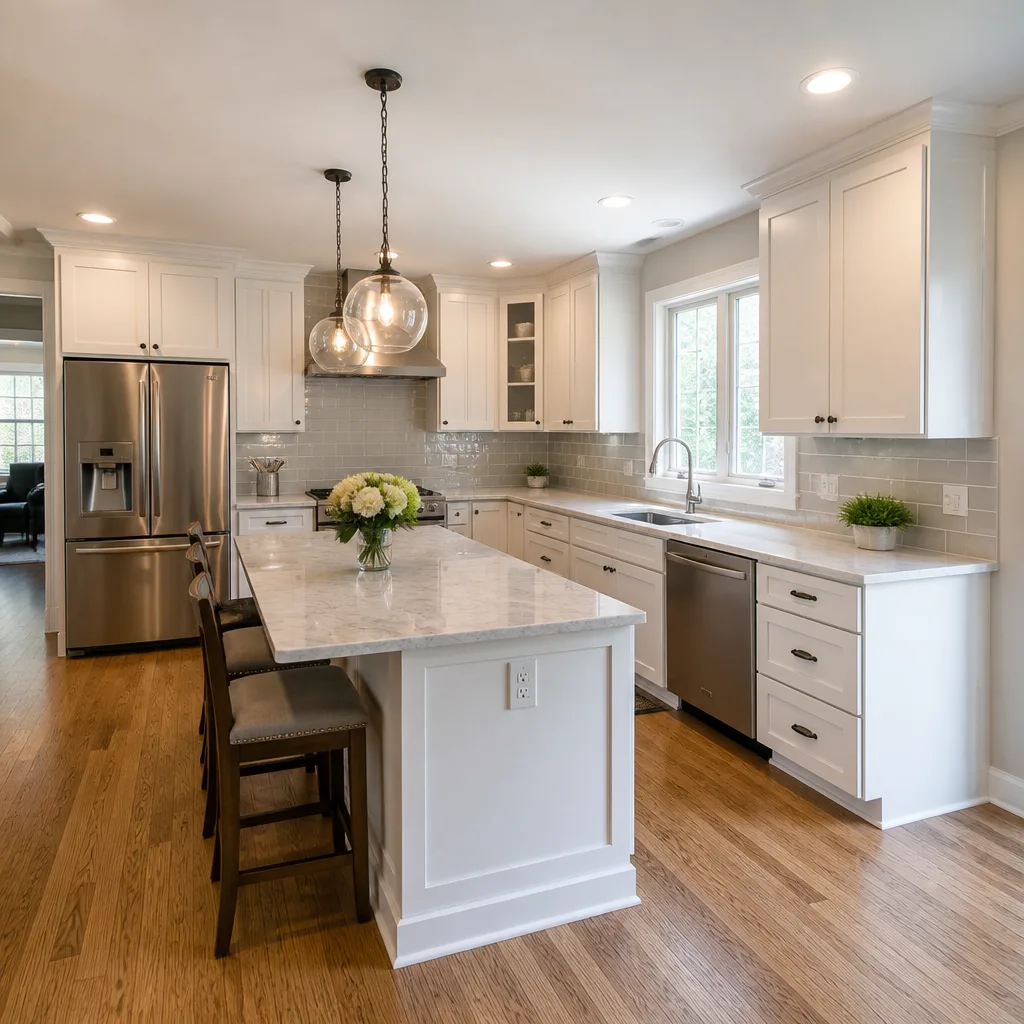
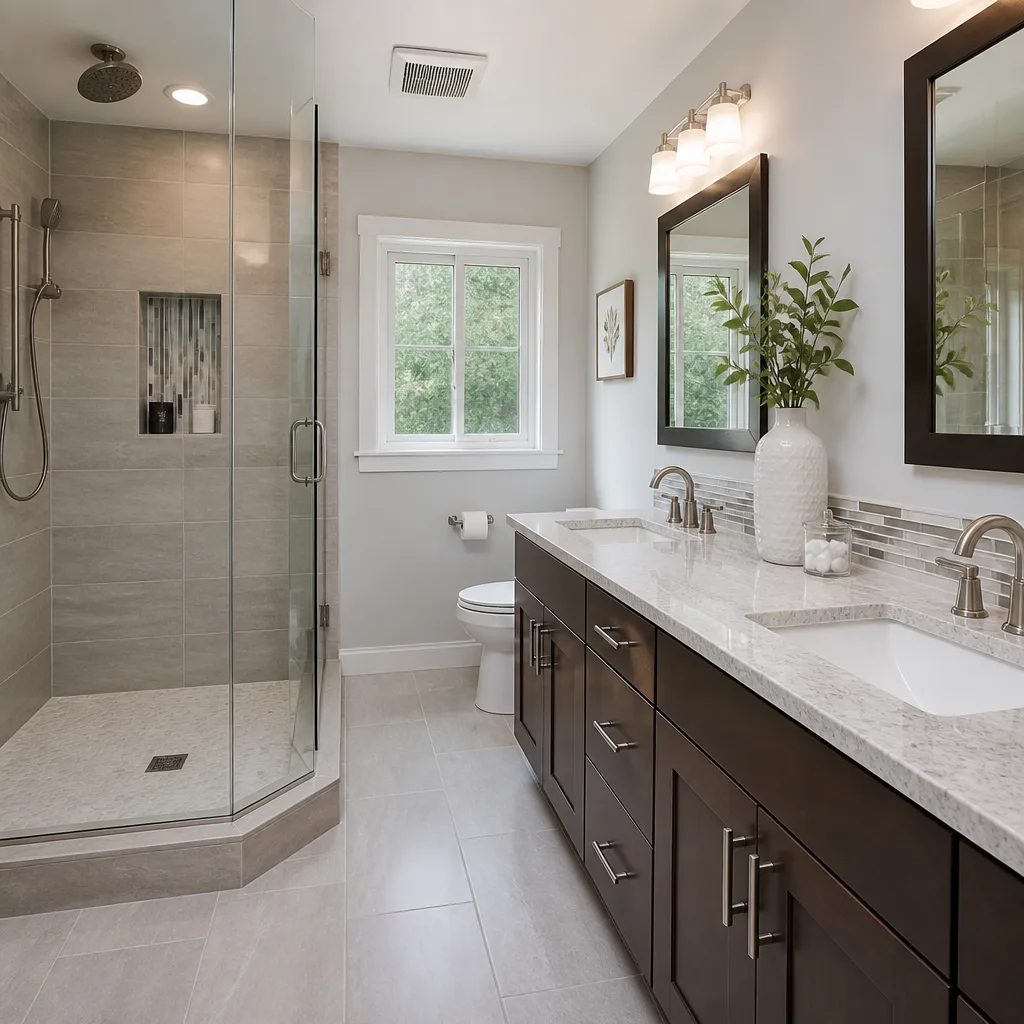
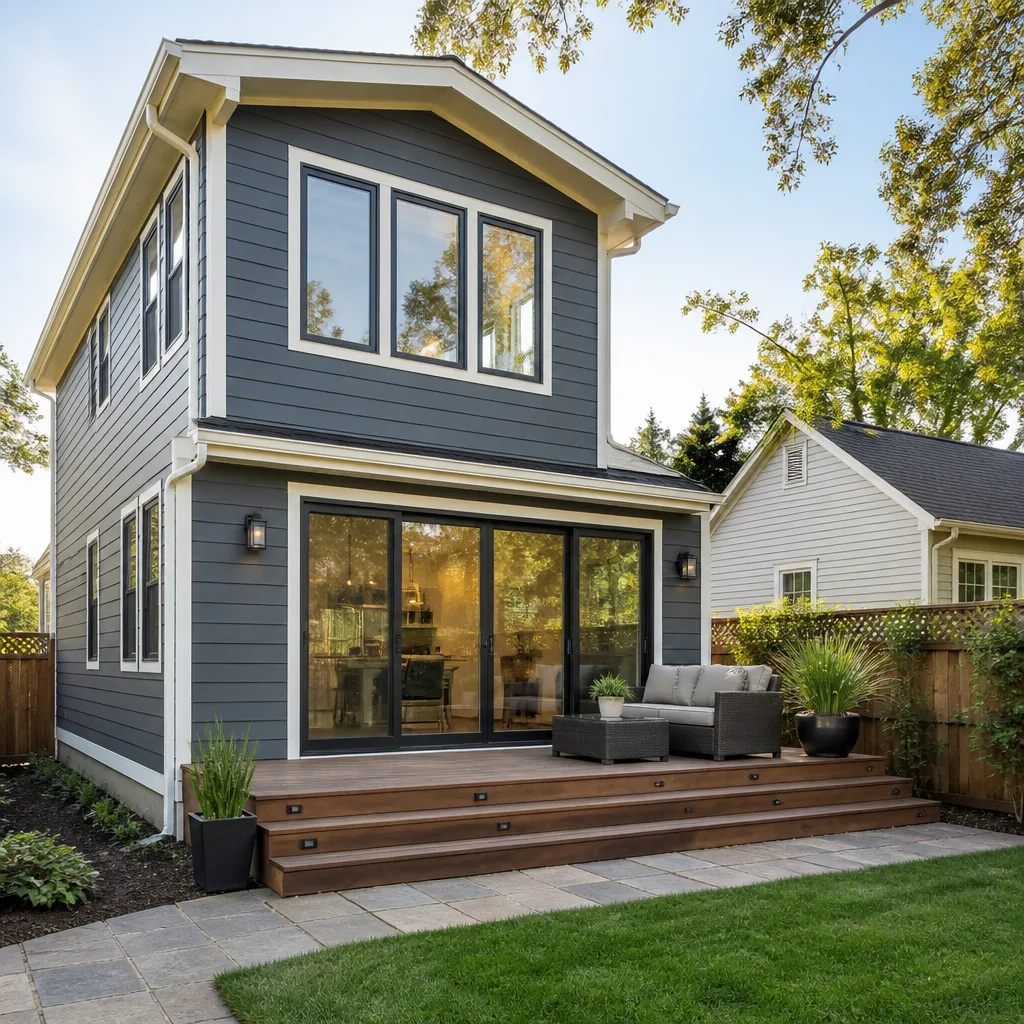
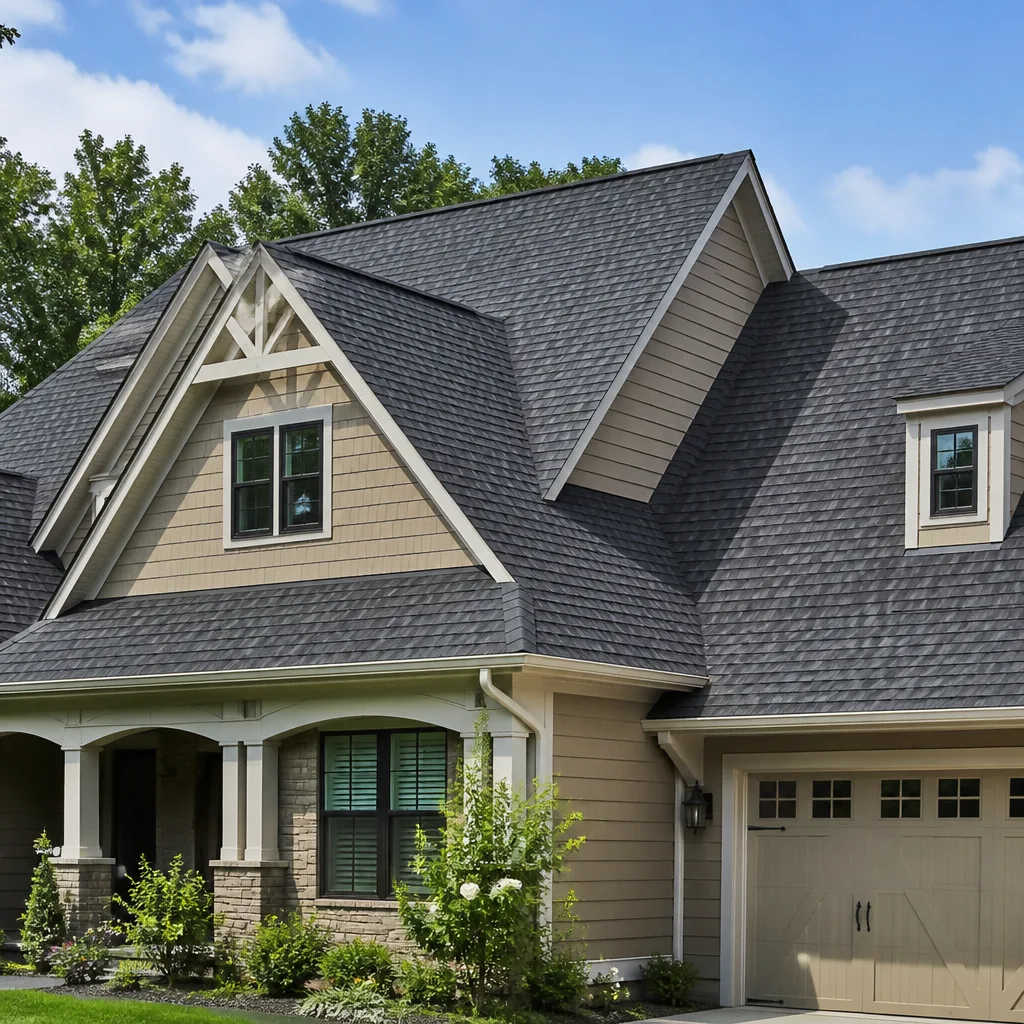
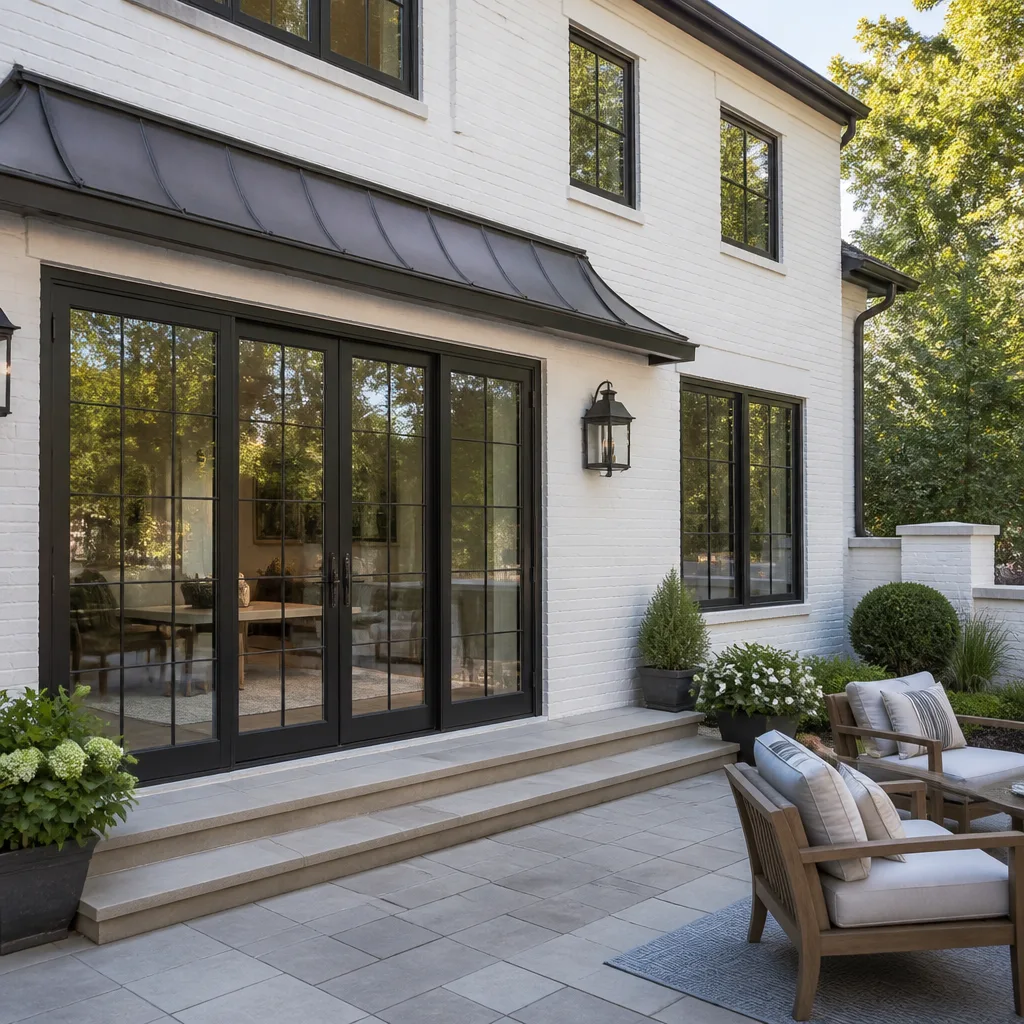
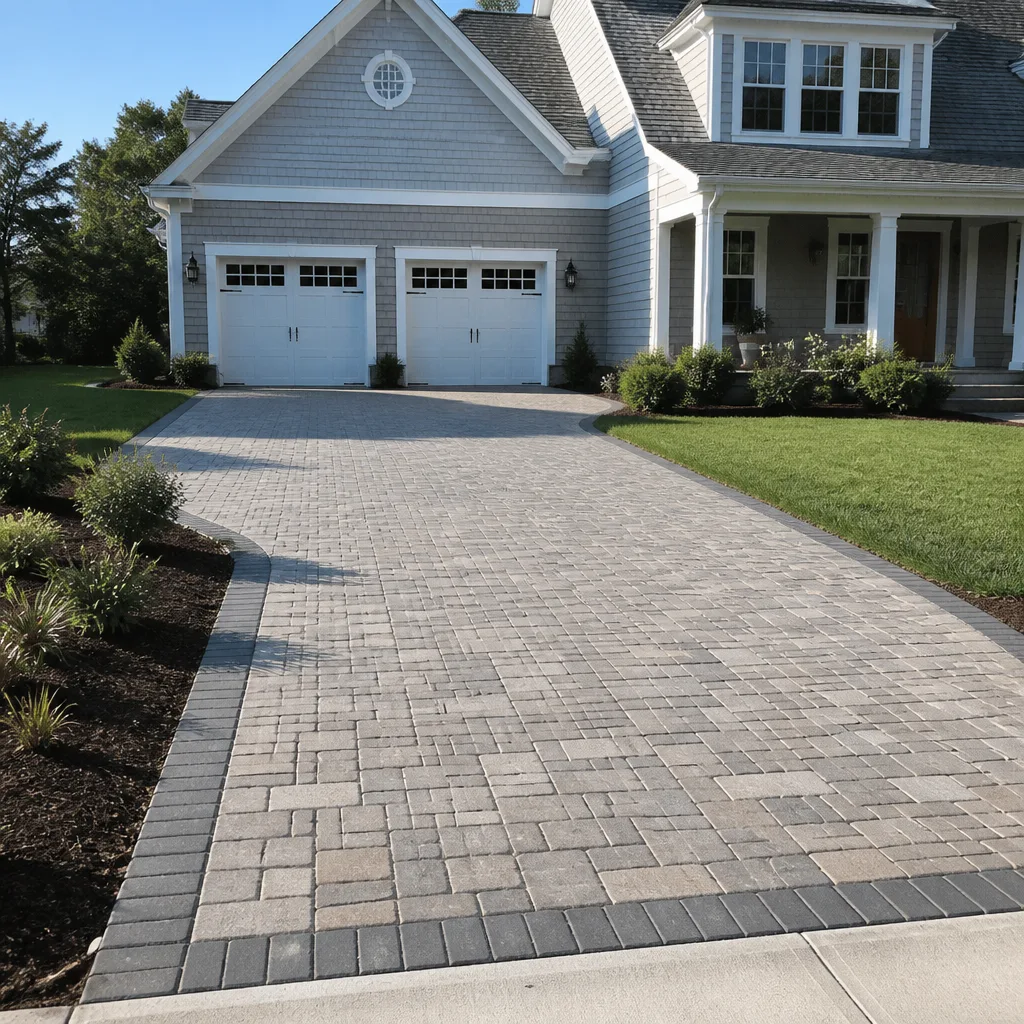
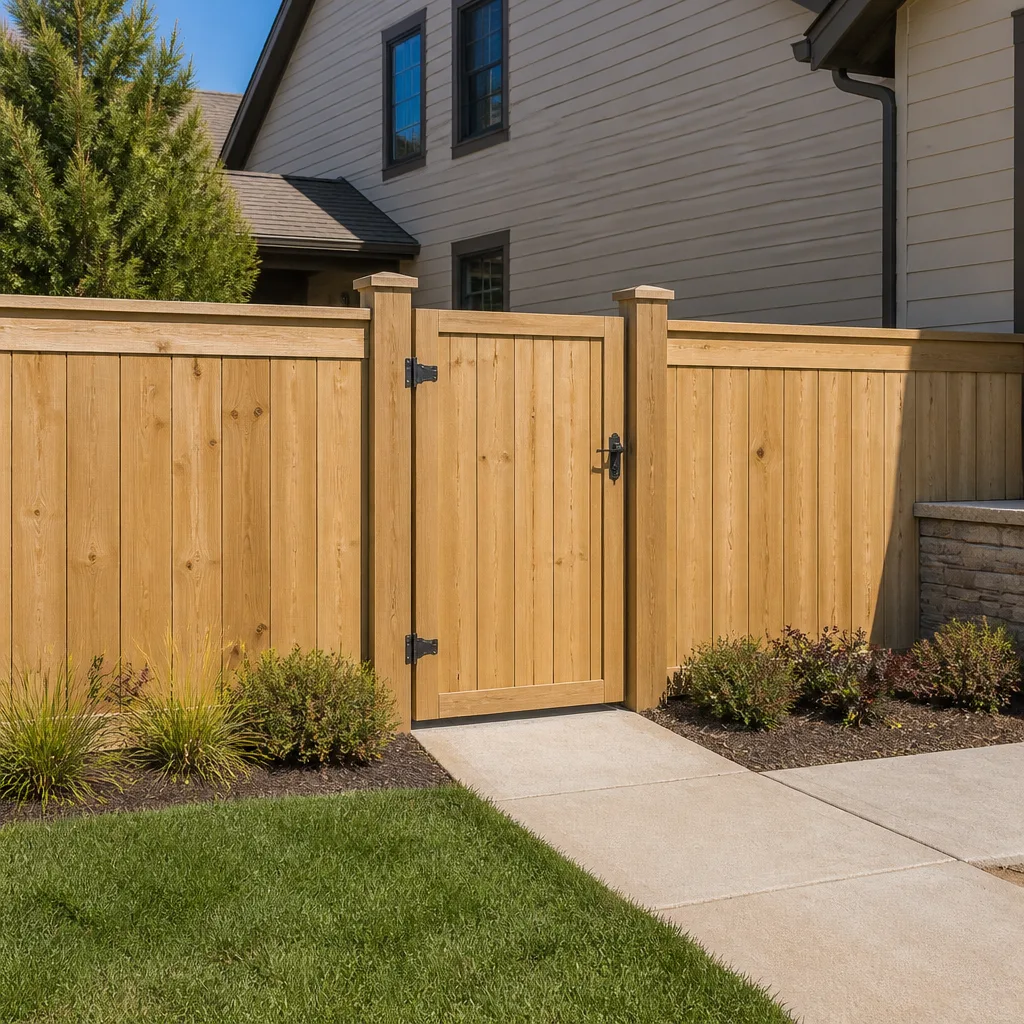
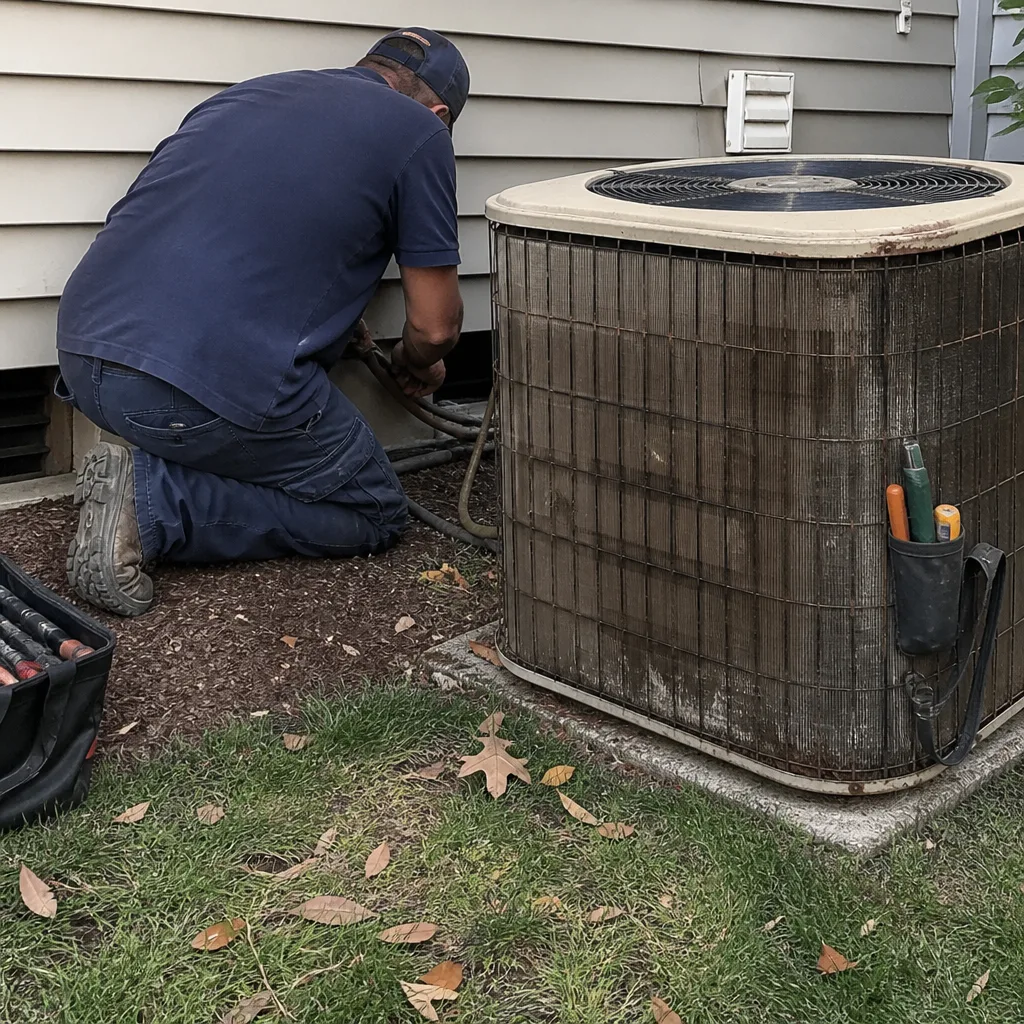 Before
 After
After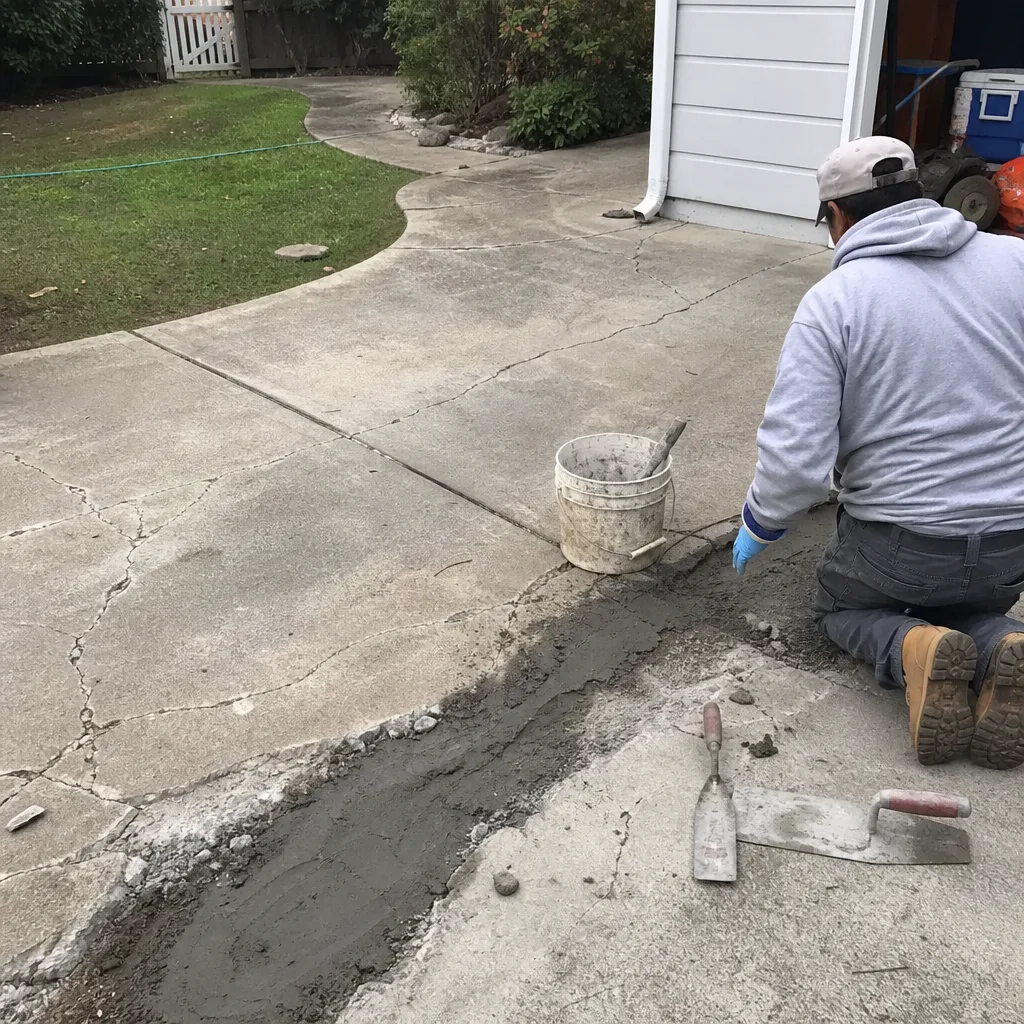 Before
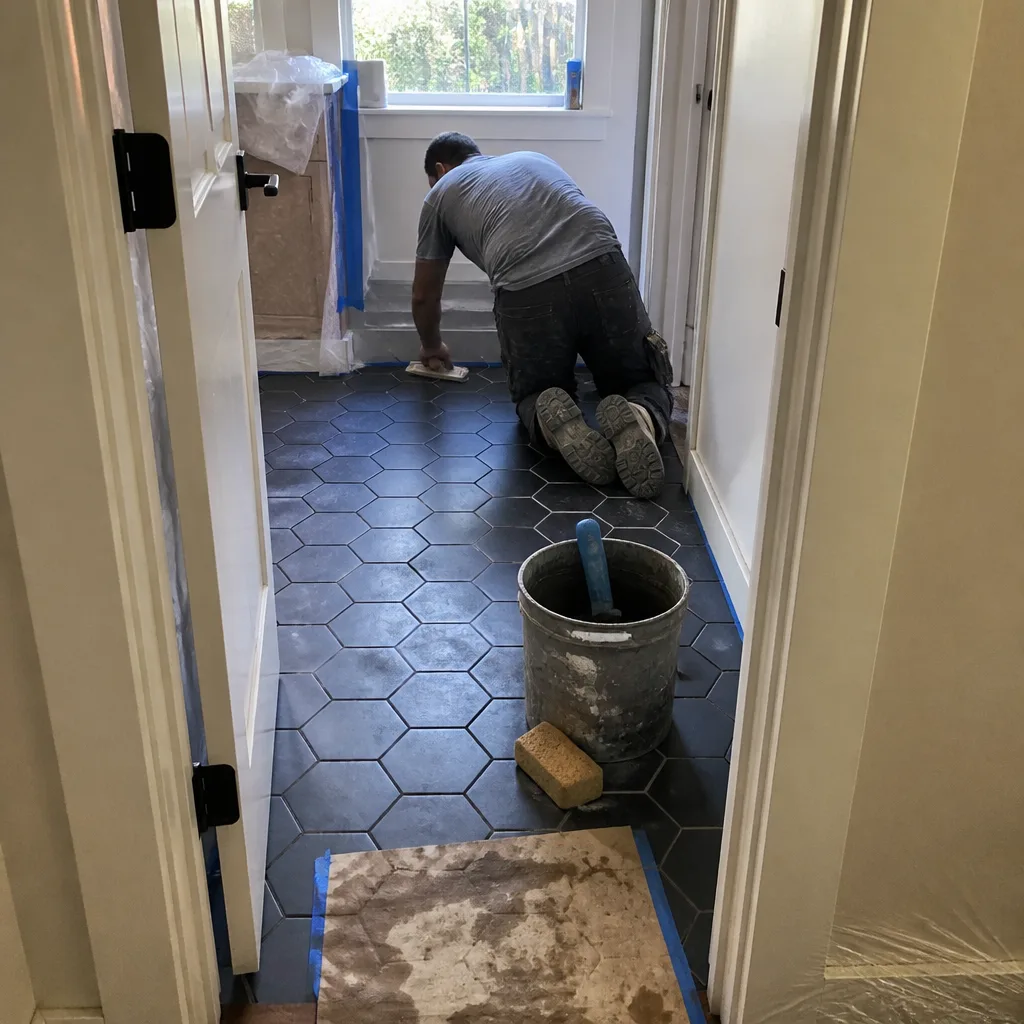 After
After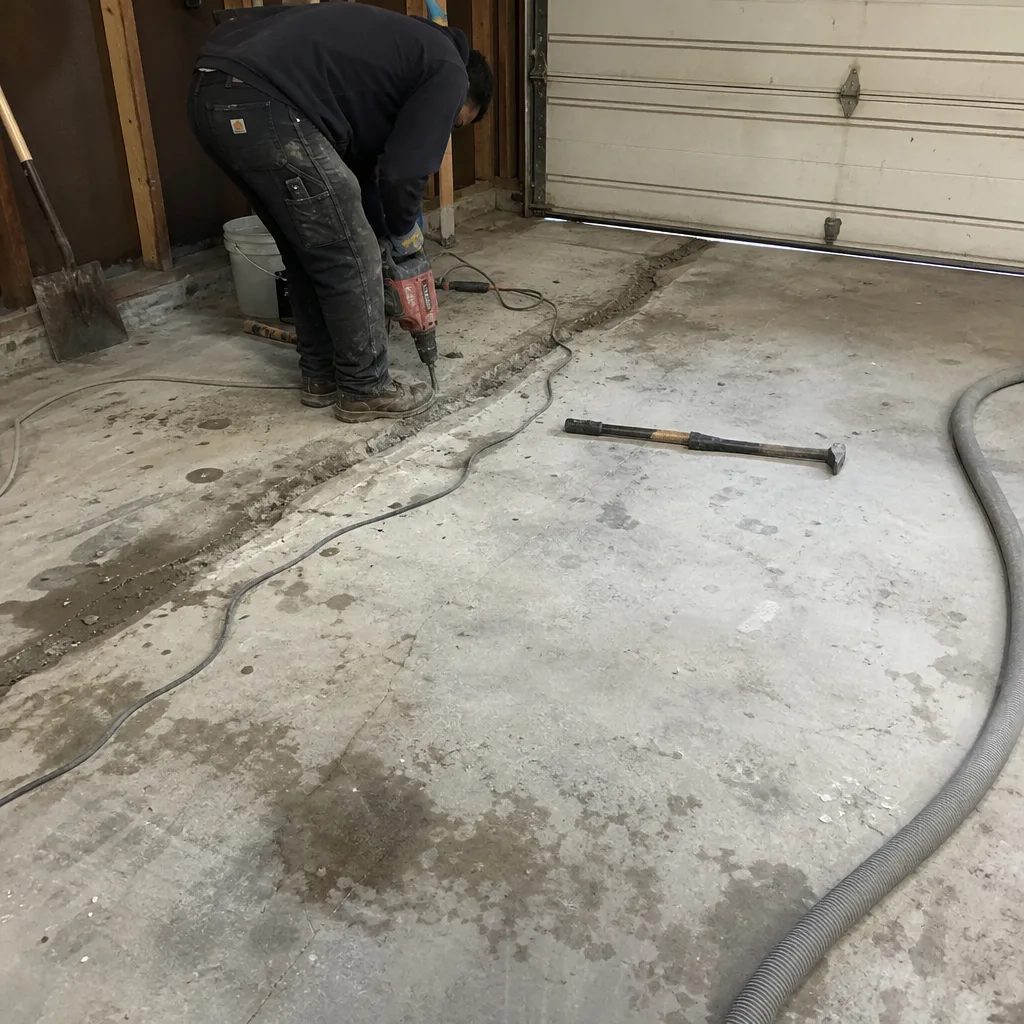 Before
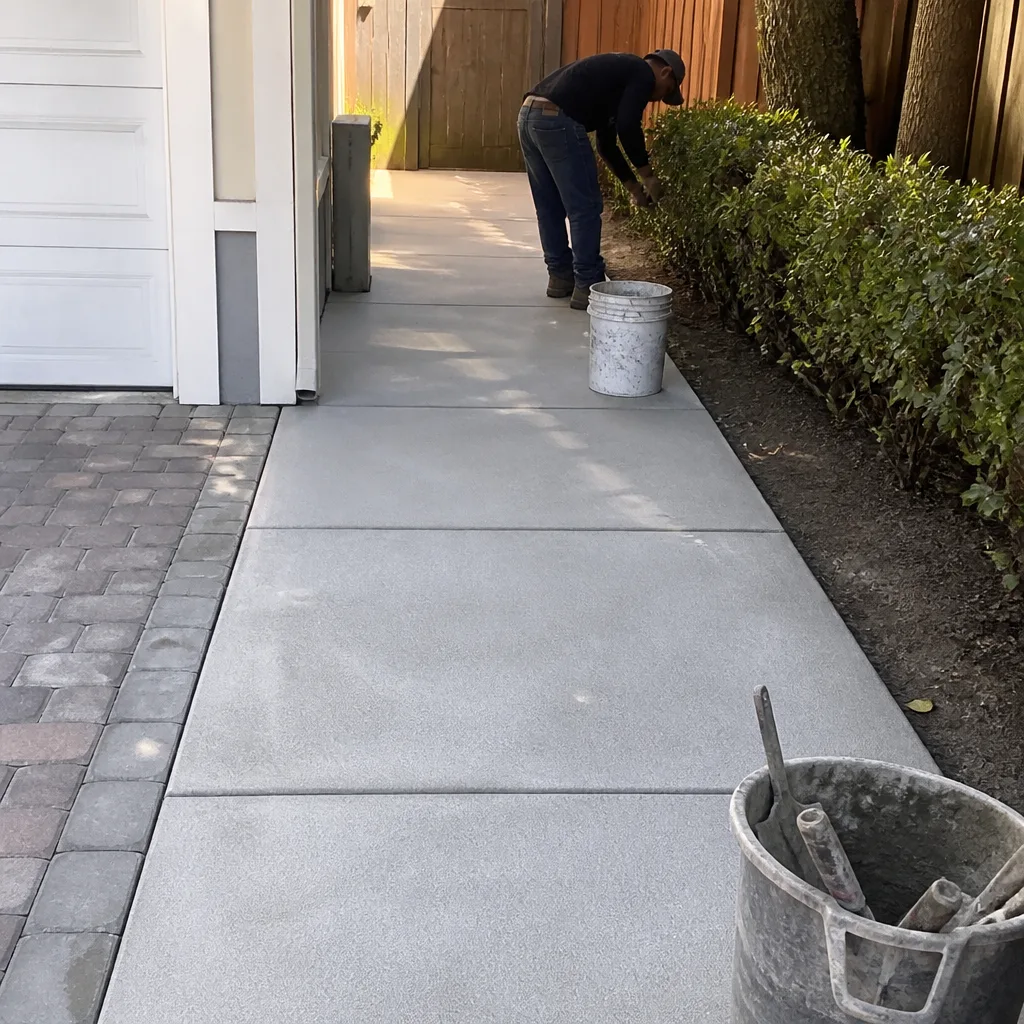 After
AfterHow to Hire a Construction Contractor in Palo Alto: A Step-by-Step Guide
California’s Contractors State License Board shows license status, but it doesn’t show whether a contractor’s general liability policy was canceled last month. Asking for a certificate of insurance naming you as additional insured, not just a copy of the declaration page, is the step that surfaces that gap. In Palo Alto, where the median home value sits well above $3 million and even a modest kitchen remodel can touch six figures, a hiring mistake doesn’t just cost money; it can cloud title, trigger code violations, and leave you with an unpermitted addition that complicates resale. This guide treats hiring a contractor as a documentation exercise you can complete in under two hours, not a gut-feel judgment call. You’ll learn the exact CSLB verification sequence, what a proper certificate of insurance must contain, how to read a written scope for what’s missing, and why a contractor’s history with City of Palo Alto Building Services matters more than their Yelp rating.
Quick Answer
Hiring a construction contractor in Palo Alto requires four verifiable documents: an active CSLB license in the correct classification, a certificate of insurance naming your property address as additional insured with minimum $1 million per-occurrence general liability, a written scope of work that names materials by brand and model, and a change-order clause with written authorization and markup cap. Complete this checklist before anyone picks up a tool, and you’ll filter out the majority of problems that lead to cost overruns, permit delays, and disputes.
Table of Contents
- How to Verify a CSLB License in California
- What a Proper Certificate of Insurance Must Contain
- How to Read a Written Scope of Work for What’s Missing
- The Change-Order Clause: Your Cost Overrun Protection
- Palo Alto-Specific Vetting: Permits and Local Familiarity
- Questions to Ask Before You Sign
- Understanding Pricing Structure in Palo Alto’s Market
- Red Flags That Should End the Conversation
 Before
 After
AfterHow to Verify a CSLB License in California
The Contractors State License Board maintains a public database at cslb.ca.gov. Every verification starts with the license number. If a contractor won’t provide it, or provides a business license instead, stop there. What follows is the sequence we’ve used since 2007 to vet every subcontractor on our projects.
- License number lookup. Enter the number on the CSLB website. Confirm the status reads “Active,” not “Suspended,” “Revoked,” or “Cancelled.” Note the issue date; a license issued within the last 12 months with no prior history warrants extra scrutiny.
- Classification check. A B-General Building Contractor can perform work on any structure built, being built, or to be built, but only if a framing or rough carpentry trade is involved. For kitchen remodeling in Palo Alto or a full bathroom remodeling in Palo Alto, a B license is appropriate. For roofing in Palo Alto, a C-39 Roofing Contractor is required by law. A B contractor doing pure roofing work without a C-39 is operating outside their classification.
- Workers’ compensation certification. The CSLB page shows whether the contractor carries workers’ comp or has an exemption. An exemption means the contractor has no employees, which is common for solo operators but problematic for jobs requiring a crew. If the CSLB shows “Workers’ Compensation: Exempt” and five workers show up on day one, that’s a compliance gap that exposes you to liability if someone is injured.
- Responsible Managing Officer (RMO) field. This shows who actually qualified for the license by passing the CSLB exams. If the RMO is a person you’ve never heard of and the person selling you the job is a different name entirely, you may be dealing with a shell arrangement. The RMO should have a direct, verifiable relationship to the company performing the work.
- Disciplinary history. Click through to the detailed license information. Look for citations, suspensions, or arbitration awards. A single complaint from 2018 may be irrelevant; three complaints in four years is a pattern.
In Palo Alto, we’ve seen homeowners skip the RMO check and later discover their “contractor” was a salesperson using another company’s license. The CSLB calls this capping, and it’s more common in high-value markets where the job sizes attract intermediaries who add markup without adding oversight.
What a Proper Certificate of Insurance Must Contain
A declaration page shows what coverage exists. A certificate of insurance (COI) shows what coverage exists and who is protected. The difference matters when a claim arises.
Request a COI from the contractor’s insurance broker, not a PDF from the contractor. The COI should name your property address as the certificate holder and additional insured. This means the insurer must notify you if the policy is canceled, non-renewed, or materially changed. Without this, you have no visibility into a cancellation that leaves you exposed.
The COI must show:
- General liability: Minimum $1 million per occurrence, $2 million aggregate. In Palo Alto, where property values and reconstruction costs are elevated, $2 million per occurrence is preferable for whole-home projects or additions over 500 square feet.
- Workers’ compensation: Policy number and effective dates, not “on file” or “compliant.” If the contractor has employees, this is mandatory in California. A missing workers’ comp policy number on the COI is a gap that should halt the process.
- Auto liability: $1 million combined single limit, relevant for deliveries and material transport to your property.
- Your address as additional insured: Not just certificate holder. Additional insured status gives you direct rights under the policy if a claim involves your property.
We’ve reviewed competitor COIs where the certificate holder was listed as “various” or the additional insured endorsement was absent. In one case in the Old Palo Alto neighborhood, a homeowner discovered their contractor’s general liability had lapsed three weeks before a water damage incident. The COI with proper additional insured status would have triggered a cancellation notice. Without it, the homeowner’s own policy absorbed the loss, and their premiums increased for five years.
How to Read a Written Scope of Work for What’s Missing
The written scope is the contract’s technical heart. A vague scope produces disputes; a precise scope produces accountability. Here’s what belongs in every scope, and what competitors routinely omit.
Materials named by brand and model. “Cabinets” is not a specification. “KraftMaid Maple Shaker, Dove White, soft-close hinges, model [specific number]” is. For countertops, “quartz” is insufficient; “Cambria Brittanicca, 3cm thickness, eased edge” is not. This precision does two things: it locks in quality so the contractor cannot substitute downward, and it locks in price so you can compare quotes apples-to-apples. When we quote kitchen remodeling in Palo Alto, we name every material brand and model in the written scope before any work starts, per Clause 1 of The Haven Standard.
Disposal responsibility. Who hauls away demolition debris? Where does it go? Palo Alto has specific requirements for construction waste diversion; the scope should state compliance with city recycling mandates and name the disposal facility or hauler.
Daily work hours. Palo Alto’s municipal code limits construction noise to 7:30 a.m. to 7:00 p.m. weekdays, with shorter hours Saturdays and prohibitions on Sundays and holidays. The scope should specify adherence to these hours, not just “standard business hours.”
Permit responsibility. Contractor-pulled permits place liability for code compliance on the contractor. Owner-pulled permits place it on you. The scope must state explicitly who pulls which permits. For roofing in Palo Alto, a contractor-pulled permit is standard; for an ADU, the division of responsibility between contractor and architect varies and must be spelled out.
Subcontractor identification. Will the contractor use employees or subs? For electrical, plumbing, and HVAC, California requires C-10, C-36, and C-20 licenses respectively. The scope should name these subcontractors and confirm their license numbers, or state that the contractor’s own licensed employees will perform the work.
Completion criteria. What defines “done”? A final inspection passed? Your written sign-off? A punch list with a resolution timeline? Without this, “substantial completion” becomes a moving target that delays final payment and warranty activation.
The Change-Order Clause: Your Cost Overrun Protection
Most cost overruns don’t come from fraud; they come from verbal approvals. The homeowner says “while you’re at it, move that outlet six inches,” the contractor nods, and three weeks later a $1,400 charge appears with no prior documentation. The change-order clause prevents this.
A protective change-order clause specifies three things:
- Written authorization before work begins. No exceptions. Not a text, not a hallway conversation. A signed change order with description, cost, and impact on schedule. At Rowan Construction Group, no change proceeds without a signed change order. This is the administrative discipline Haven acquired us for, and the reason our projects finish within a few percent of the agreed cost across 4,000-plus jobs.
- Unit pricing for likely additions. The base contract should include unit prices for common contingencies: additional recessed light ($X each), upgraded tile ($X per square foot), structural reinforcement if opening inspection reveals rot ($X per linear foot). This prevents the contractor from inventing prices under pressure.
- A markup cap. Change-order markup should be capped at the same margin as the base contract, typically 15-20% for overhead and profit. Without a cap, contractors sometimes apply 30-50% markup on changes, exploiting the homeowner’s sunk-cost psychology.
The 365-Day Done Right Promise applies to the completed work, but only work performed under signed authorization. Verbal changes fall outside warranty coverage because they fall outside documentation. This is not small print; it’s the boundary between protected and unprotected work.
Palo Alto-Specific Vetting: Permits and Local Familiarity
Palo Alto’s Building Services Division has specific workflows, plan-check staff, and inspection protocols that differ from neighboring Mountain View or Menlo Park. A contractor’s history with this office directly affects your timeline.
Verify permit history through the City of Palo Alto’s online permit database. Search for the contractor’s name or license number in past permits. Look for:
- Permit types matching your project. A contractor with twenty fence permits and zero ADU permits may lack the plan-check relationships and inspection familiarity that speed ADU approvals. Palo Alto’s ADU ordinance has specific setbacks, height limits, and parking requirements that differ from state baseline; experience matters.
- Permit status outcomes. Look for permits that completed with final inspection, not “abandoned” or “expired.” An expired permit suggests the contractor started but didn’t finish, or let the permit lapse and continued unpermitted work.
- Correction cycles. Multiple “correction required” notations on inspections suggest either sloppy initial work or a contractor who doesn’t understand Palo Alto’s specific interpretations of the California Building Code. Either way, it adds weeks.
Palo Alto’s climate also shapes material selection and construction sequencing. The marine influence moderates temperatures but delivers significant moisture in winter; the Santa Clara Valley’s clay soils expand and contract with seasonal moisture changes. A contractor who specifies James Hardie fiber-cement siding for a roofing in Palo Alto or exterior project, for instance, should explain the moisture-management details: proper flashing integration, adequate clearances to grade, and compatible sealants for the coastal environment. Generic specifications that work in Sacramento or Fresno often fail here within five years.
The Duveneck/St. Francis neighborhood and the areas near San Francisquito Creek have specific floodplain considerations that affect foundation work and finished-floor elevations. A contractor who has pulled permits in these areas knows the elevation certificate requirements and the city’s floodplain management criteria. One who hasn’t may discover these requirements mid-project, triggering redesign and delay.
Questions to Ask Before You Sign
The interview is not a chemistry test; it’s a documentation verification opportunity. Ask these questions and record the answers.
- “Will you provide a certificate of insurance naming my address as additional insured, and can I verify it directly with your broker?” A yes with immediate follow-through is correct. Hesitation, or an offer to “send you our declaration page,” is insufficient.
- “What brands and models are specified in your written scope, and what happens if that material is unavailable?” The answer should name specific brands like KraftMaid or Wellborn for cabinets, and specify an equivalent-substitution protocol with your written approval.
- “Who pulls the permits, and what is your history with Palo Alto Building Services on this project type?” Look for specific references: plan-check timelines, inspector names, common correction items they’ve learned to avoid.
- “What is your change-order process, and what markup applies?” The answer should describe written authorization, unit pricing, and a capped markup. If the answer is “we’ll figure it out as we go,” the conversation should end.
- “What documentation do I receive when the crew leaves?” The answer should include: final inspection approvals, photo record of work progression, signed completion certificate, and written warranty. At Rowan Construction Group, every visit includes a documented photo record as standard, not an upgrade. The customer leaves with evidence of what was found and what was done.
- “What is your warranty, and where is it written?” The 365-Day Done Right Promise is printed on every page of our proposals, backed by a terms page, not an asterisk. Any warranty that isn’t written and specific to scope, duration, and remedy is not a warranty.
Understanding Pricing Structure in Palo Alto’s Market
Palo Alto’s construction pricing reflects land value, labor costs, material transport, and the specialized expertise required for high-value properties. Understanding structure helps you evaluate quotes and spot anomalies.
Fixed-price contracts, which we deliver on every trade from kitchen remodeling in Palo Alto through bathroom remodeling in Palo Alto and roofing in Palo Alto, specify a total cost for a defined scope. The contractor absorbs cost overruns; they also capture savings. This works when the scope is well-defined and the contractor has sufficient experience to estimate accurately.
Cost-plus contracts charge actual costs plus a percentage fee. This transfers risk to you but can be appropriate for complex renovations with significant unknowns, such as historic homes in Professorville or the Professorville Historic District where concealed conditions are likely. A cost-plus contract still requires maximum-price guarantees, audit rights, and markup transparency.
Time-and-materials contracts charge hourly rates plus material costs. These are appropriate only for small, undefined tasks. For whole-room renovations or additions, they invite open-ended billing and should be avoided unless capped with a not-to-exceed figure.
Palo Alto-specific cost factors include:
- Labor premiums: Skilled trades commute from San Jose, Fremont, or beyond; travel time and Bay Area wage scales add 15-25% compared to Central Valley markets.
- Material handling: Narrow streets in Old Palo Alto, limited street parking in Downtown North, and HOA restrictions in developments like the Palo Alto Hills impose logistics costs that general contractors in suburban Sacramento don’t face.
- Permit and impact fees: Palo Alto’s school facility fees, park dedication fees, and plan-check deposits add substantial soft costs to additions and ADUs. A contractor unfamiliar with these will underbid and later request changes.
Our Free Second Opinion on Any Written Estimate exists because we’ve reviewed competitor quotes that omitted permit fees, underestimated structural engineering for hillside lots, or specified Tuff Shed-style prefab structures for sites where Palo Alto’s design guidelines require architectural compatibility. A line-item review surfaces these gaps before commitment.
Red Flags That Should End the Conversation
Some signals are definitive. Not suspicious; definitive.
- Pressure to sign today for a “limited-time” discount. This is urgency theatre, and it contradicts the documentation discipline that protects you. A written price before any work starts should be valid for a defined period, typically 30 days, with no countdown manipulation.
- Request for large upfront payment. California limits down payments to 10% of the contract price or $1,000, whichever is less. A request for 25% or 50% before work begins violates state law and indicates cash-flow distress.
- No physical business address. A PO box or residential address for a contractor claiming to serve Palo Alto’s commercial-scale projects suggests minimal infrastructure. Verify through the CSLB and Google Street View.
- Reluctance to name brands and models. “Premium cabinets” or “commercial-grade fixtures” without specifics allows substitution to lower-spec products after contract signing.
- No permit discussion, or suggestion to “save money” by skipping permits. Unpermitted work in Palo Alto triggers code enforcement, title complications, and insurance denial. It is never a savings.
- Verbal-only communication for scope changes. A contractor who resists written change orders is a contractor who intends to exploit verbal ambiguity.
Common Mistakes to Avoid
- Verifying only the CSLB license number without checking classification and RMO. An active B license doing C-39 roofing work is unlicensed for that scope, and your recourse in a dispute is compromised.
- Accepting a declaration page instead of a COI with additional insured status. The declaration page shows coverage existed on one day; the COI with additional insured ensures you’re notified if it ceases.
- Comparing quotes with different scopes. One contractor’s “complete bathroom” includes tile setting; another’s stops at “tile ready.” The lower number is not a bargain; it’s a different product.
- Ignoring the change-order clause until changes arise. By then, leverage is gone. Negotiate unit pricing and markup caps before signing, when competitive pressure still operates.
- Hiring based on lowest bid alone. In Palo Alto’s market, a bid 30% below others typically omits permit fees, underestimates structural requirements, or assumes labor rates that don’t attract qualified trades.
- Failing to confirm Palo Alto permit history. A contractor experienced in San Jose’s streamlined online system may struggle with Palo Alto’s hybrid process, where certain project types still require in-person plan submission.
- Neglecting to document pre-existing conditions. Photos of walls, floors, and adjacent structures before work begins protect both parties if damage claims arise.
When to Call a Professional
Call a professional when the project involves structural modification, electrical or plumbing alteration, work requiring a building permit, or any task where error would damage a high-value asset or endanger occupants. In Palo Alto, where replacement costs often exceed $800 per square foot, the threshold for professional involvement is lower than in markets where mistakes are cheaper to remedy.
Rowan Construction Group Palo Alto offers free estimates in Palo Alto. Call (650) 446-9092 to schedule yours. We’ll review your project, deliver a written price before any work starts, and provide a Free Second Opinion on any competitor’s written estimate. Our crews are background-checked and uniformed; a live person answers calls 24/7; and every visit includes a documented photo record as standard.
Frequently Asked Questions
Whole-room renovations in Palo Alto typically range from $75,000 to $250,000 depending on scope, finishes, and structural complexity; additions and ADUs often start near $400 per square foot and rise with site conditions and material selections. Roofing replacement on a typical 2,400-square-foot home runs $18,000 to $35,000 using GAF or Owens Corning systems with proper underlayment and ventilation. Call (650) 446-9092 for an exact quote; estimates are free.
Enter the license number at cslb.ca.gov, verify “Active” status, confirm the classification matches your project type (B-General or appropriate C-class), check workers’ comp status, and review the Responsible Managing Officer field for shell-company risk. This takes under five minutes and is the single most important verification step.
With a fixed-price contract and signed change-order protocol, the price changes only for scope changes you authorize in writing. At Rowan Construction Group, no change proceeds without a signed change order, which is why our projects finish within a few percent of the agreed cost. Call (650) 446-9092 for a written quote with this protection built in.
We pull all permits as contractor of record, which places code-compliance liability on us and streamlines inspection scheduling with Palo Alto Building Services. Owner-pulled permits shift liability to you and complicate warranty coverage. The written scope states permit responsibility explicitly before any work starts.
A full kitchen remodel with custom cabinetry, structural modifications, and permit requirements typically requires 10 to 16 weeks from demolition to final inspection, with 4 to 8 weeks of that in plan-check and permit issuance. Palo Alto’s plan-check timeline varies seasonally; familiarity with the local staff reduces revision cycles. Call (650) 446-9092 for a schedule specific to your project.
The 365-Day Done Right Promise means we make it right. The guarantee is printed on every proposal page and backed by a terms page, not an asterisk. Under The Haven Standard, if it is not done right, Rowan makes it right. This applies to all seven trades, from kitchen remodeling in Palo Alto to roofing in Palo Alto.
The Bottom Line
Hiring a construction contractor in Palo Alto is a four-document verification: CSLB license with correct classification and clean RMO; certificate of insurance with your address as additional insured and $1 million minimum per-occurrence general liability; written scope naming brands, models, permit responsibility, and completion criteria; and a change-order clause with written authorization, unit pricing, and markup cap. Complete this checklist in under two hours, and you eliminate the majority of cost overruns, permit delays, and disputes that plague construction projects. Documentation is not bureaucracy; it is the structure that protects your investment in one of the country’s most expensive housing markets.
Written by Grant Rowan, Owner at Rowan Construction Group Palo Alto, serving Palo Alto since 2007.